Character
The Story of Mediterranean woods
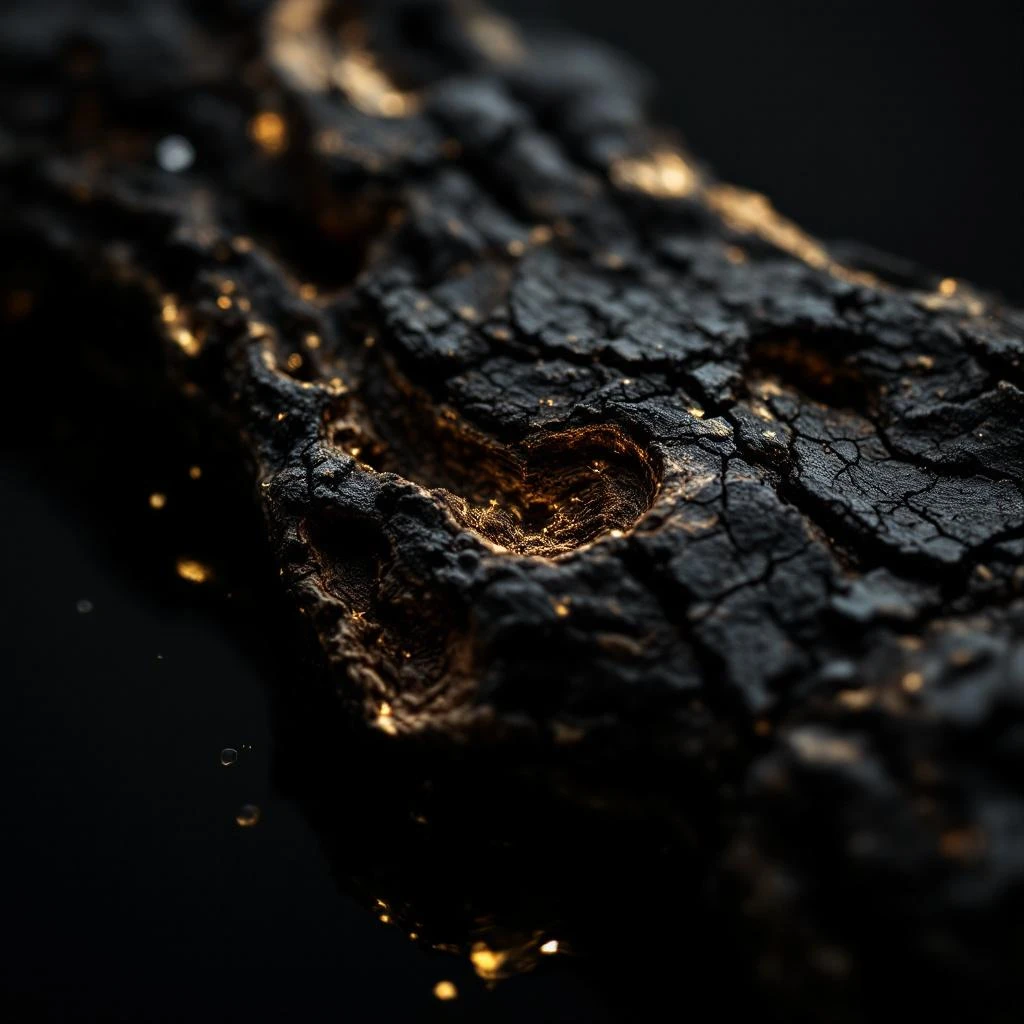
Mediterranean woods blend sun‑kissed cedar, cypress, and olive timber into a grounded, resin‑rich note that anchors modern scents with ancient earth tones, evoking coastal forests at dusk.
Heritage
Wood aromas have guided human scent culture since antiquity. Greek poets praised the fragrance of cedar groves, and Roman physicians recorded the use of cypress smoke to cleanse public baths. Trade routes that linked the Levant, North Africa, and the Italian peninsula carried resinous timber across the Mediterranean, making it a staple of luxury perfume houses in the early empire. By the 9th century, Arab alchemists refined steam‑distillation techniques that extracted oil from heartwood, a method later adopted by European artisans. The Renaissance saw Italian workshops blend cedar and olive wood essences with exotic spices, creating compositions that symbolized power and piety. In the modern era, Mediterranean woods remain a cornerstone of niche perfumery, valued for their ability to anchor bright top notes and extend the dry‑down phase of a fragrance.
At a Glance
1
Feature this note
Italy
Primary source region
Ingredient Details
Steam distillation
Dried heartwood
Did You Know
"A single kilogram of authentic cedarwood oil can require the steam distillation of over 200 kilograms of dried heartwood, a yield that reflects the dense aromatic compounds stored in Mediterranean forests."