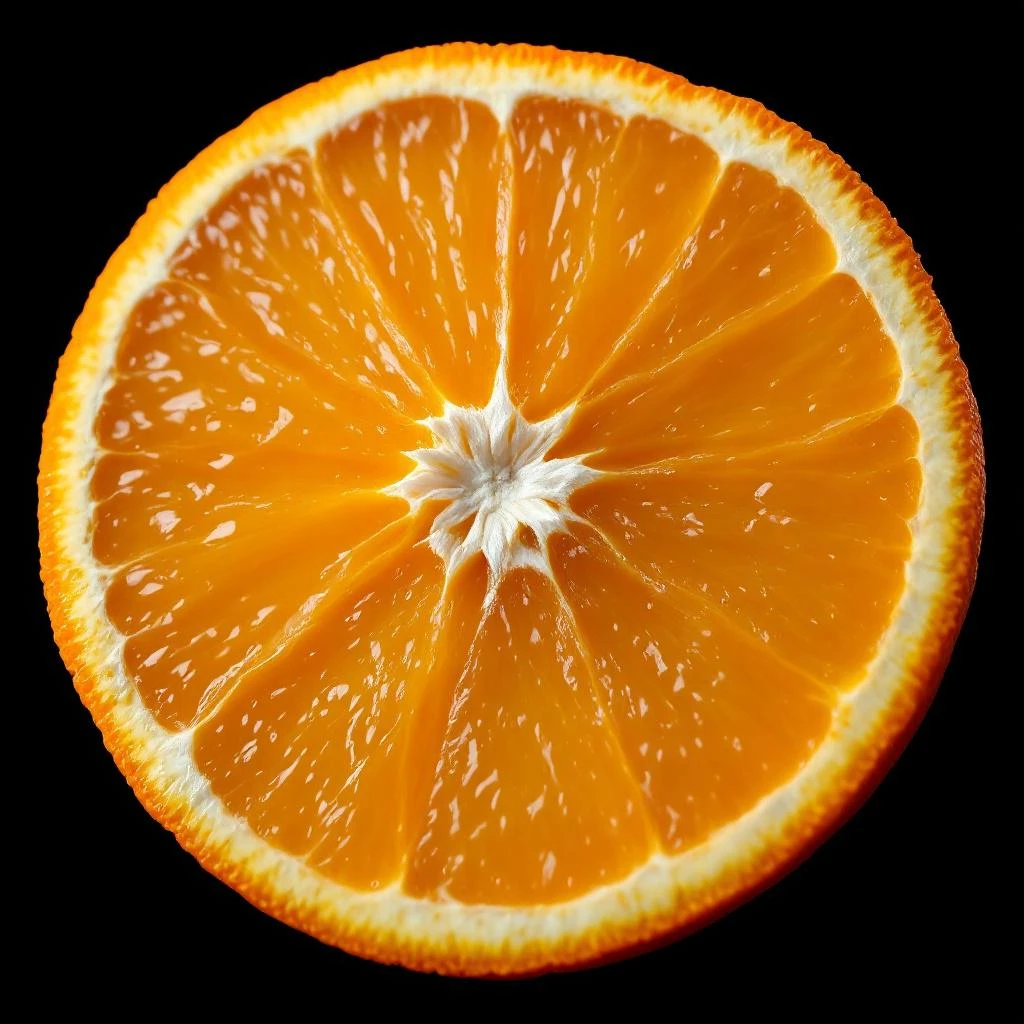

Character
The Story of Mediterranean mandarin orange
A luminous citrus that bridges ancient trade routes and modern perfumery. Mediterranean mandarin orange delivers a bright, sweet-fruity freshness prized for opening perfumes with warmth and joyful energy.
Heritage
Mandarin orange originated in China, with roots across Southeast Asia and the Philippines, where it held sacred significance in Chinese New Year celebrations as a symbol of good fortune. Ancient trade routes carried the fruit westward, introducing it to Europe by the late 18th century. By the 19th century, mandarins reached European apothecaries, marking the first step toward their eventual role in perfumery. The fruit found its Mediterranean home in countries including Spain, Italy, Greece, and France, where unique terroir produced distinctive aromatic qualities. Sicily emerged as a primary source for yellow mandarin oil, prized for flavor and fragrance industries alike. While clementine trees, a hybrid of mandarins and bitter oranges created by Brother Clément in Algeria, bear abundant blossoms, these flowers do not enter perfumery. The mandarin gradually secured its place as a celebrated citrus ingredient, particularly valued for its ability to lift floral compositions, anchor colognes, and soften oriental bases. Harvested in autumn and winter when cooler temperatures drive fruit development, mandarins are sorted into two grades: one for whole-fruit consumption and another for juicing and oil extraction.
At a Glance
1
Feature this note
China
Primary source region
Ingredient Details
Cold pressing
Fruit peel
Did You Know
"Mandarins traveled ancient Silk Road routes from China to the Mediterranean, eventually landing in European apothecaries before becoming a perfumery staple in the 19th century."