Character
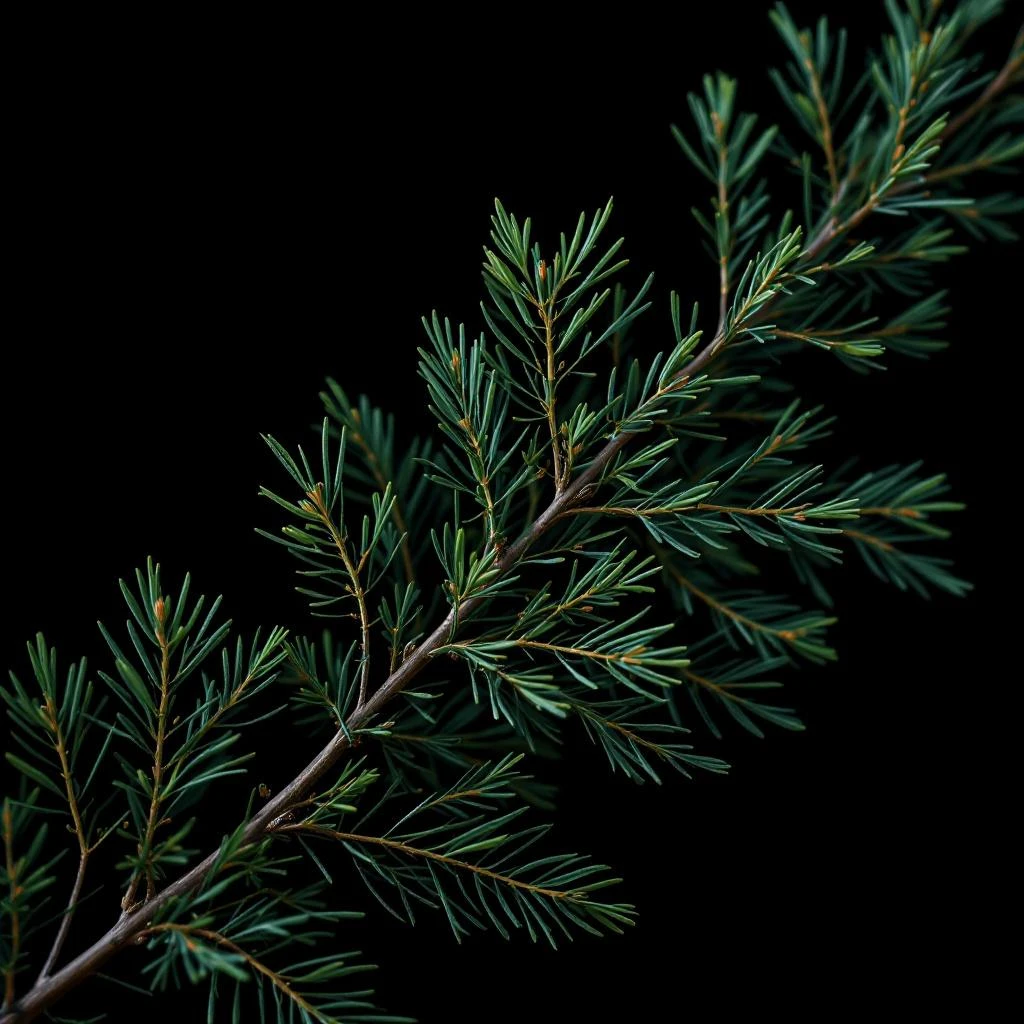
The Story of Mediterranean cypress
A crisp, green‑woody note that recalls sun‑kissed pine forests, Mediterranean cypress delivers a dry, resinous aroma with a hint of citrus brightness.
Heritage
Archaeological evidence shows that cypress resin was traded along the Fertile Crescent as early as 4000 BCE, making it one of the oldest recorded perfume ingredients. Egyptian tomb murals depict workers grinding cypress wood to extract fragrant oils for royal embalming rites. In Assyrian archives, a cypress‑based perfume was listed among luxury goods sent to the palace of King Ashurbanipal. The Roman Empire imported large quantities from the Italian peninsula, where monastic gardens cultivated the tree for both ornamental and aromatic purposes. During the Middle Ages, Mediterranean cypress oil served as a cleansing agent in monasteries and as a scenting material for noble garments. The 16th‑century Italian alchemists refined steam distillation techniques, producing a clearer, more stable oil that entered the early modern perfume market. By the 19th century, cypress became a staple in the emerging “aromatic‑fresh” genre, prized for its ability to evoke the sun‑lit forests of the Mediterranean coast. Today, the note links contemporary compositions to a lineage that stretches back over six millennia.
At a Glance
1
Feature this note
Italy
Primary source region
Ingredient Details
Steam distillation
Leaves and young twigs
Did You Know
"The ancient city of Cypress, now part of modern Lebanon, hosted a perfume workshop as early as 4000 BCE, making it one of the world’s first fragrance production sites."