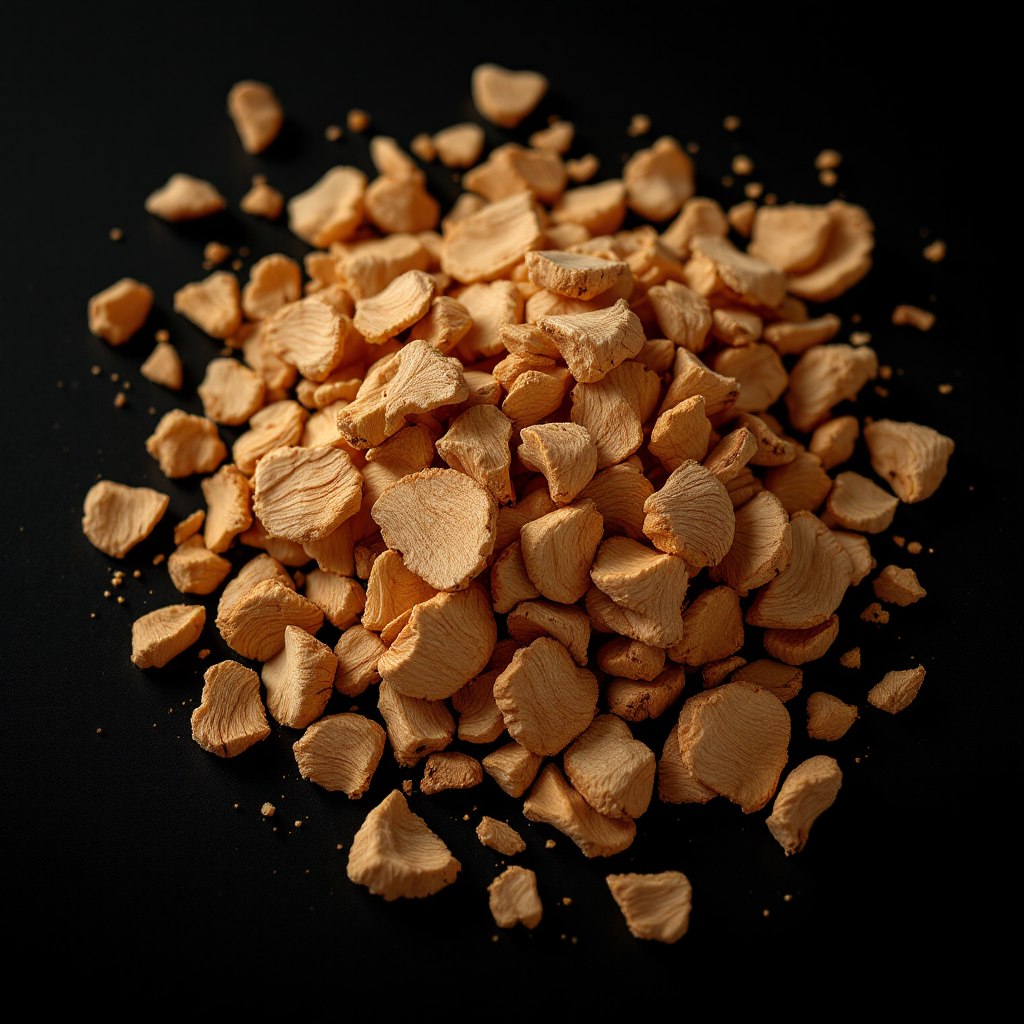
Massoia bark
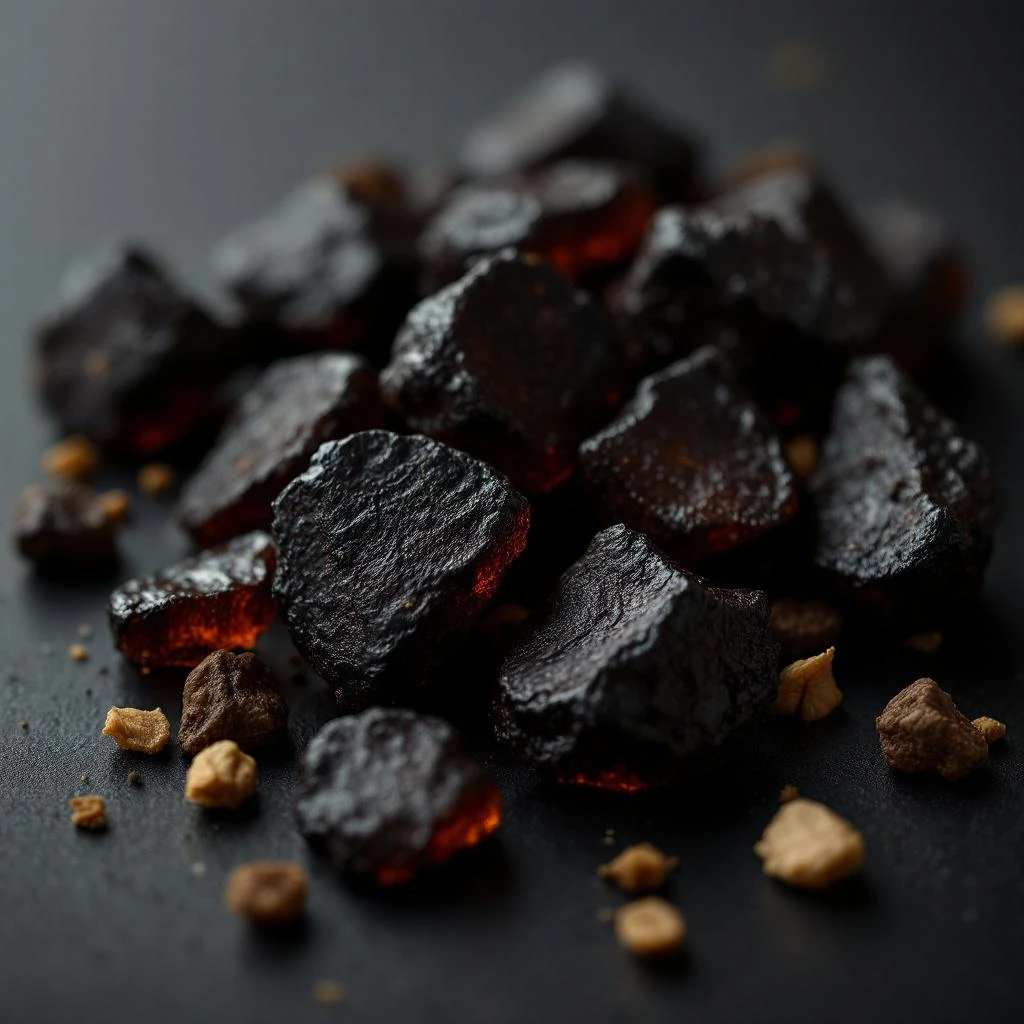
Massoila bark oil delivers a creamy, sweet aroma reminiscent of fresh coconut milk, adding depth and warmth to modern fragrance blends.
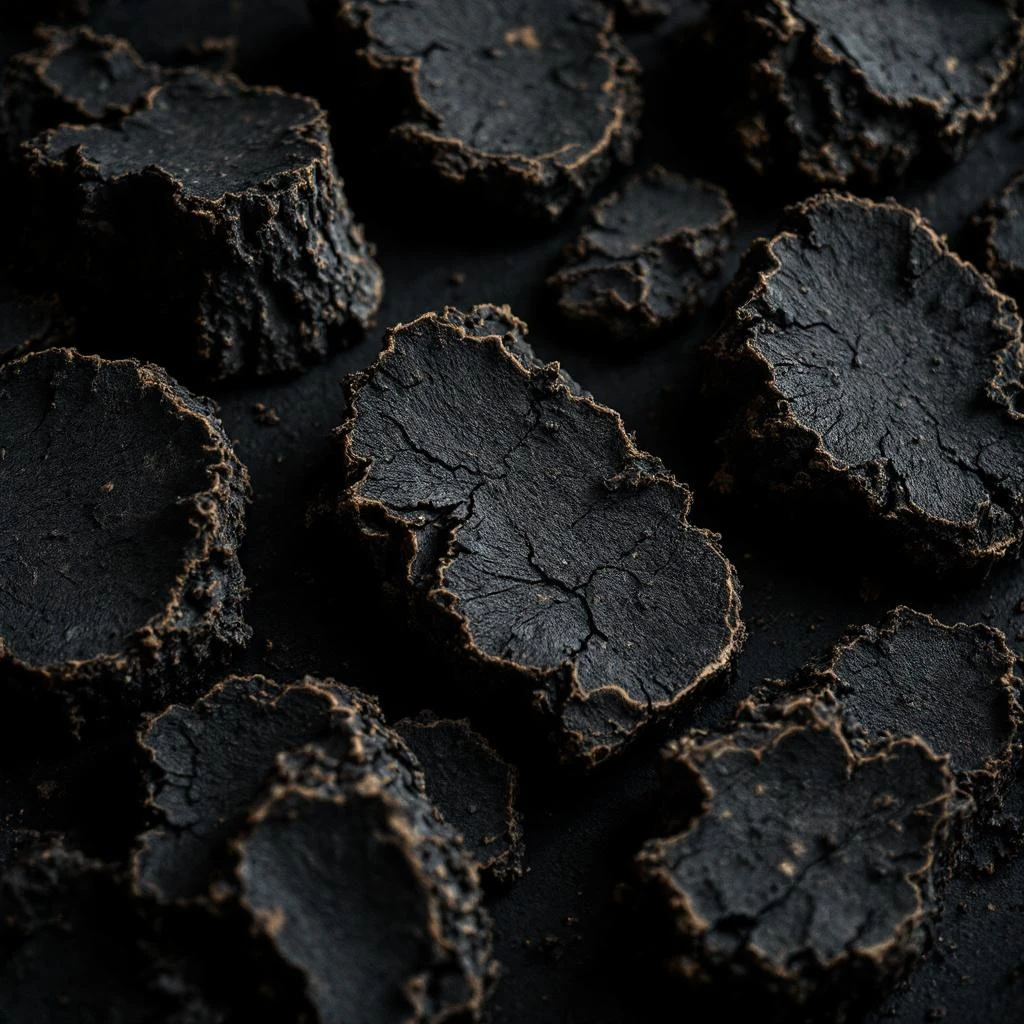
Character
How it smells
Creamy coconut sweetness from the forest’s bark.
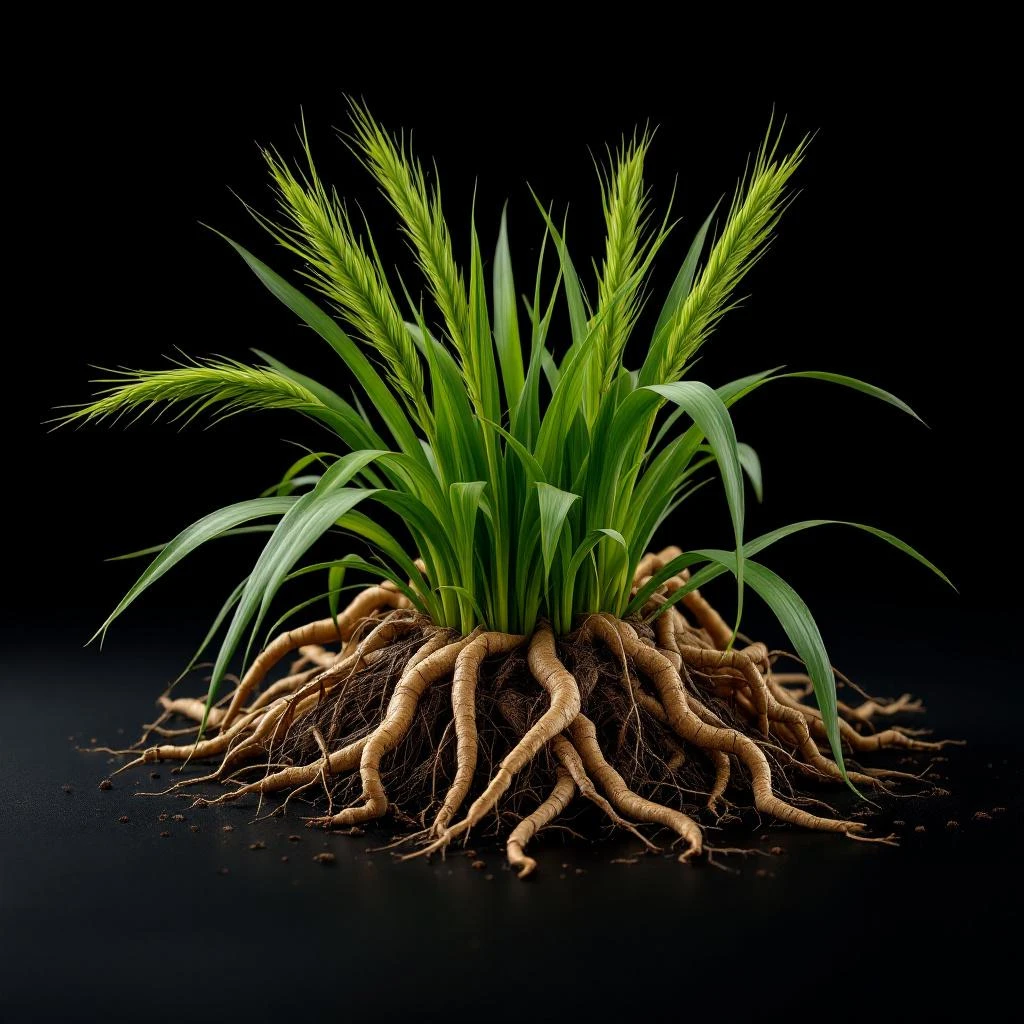
The bark of Cryptocarya massoia contains up to 60% C10 lactone, the compound that gives the oil its signature coconut-like scent.



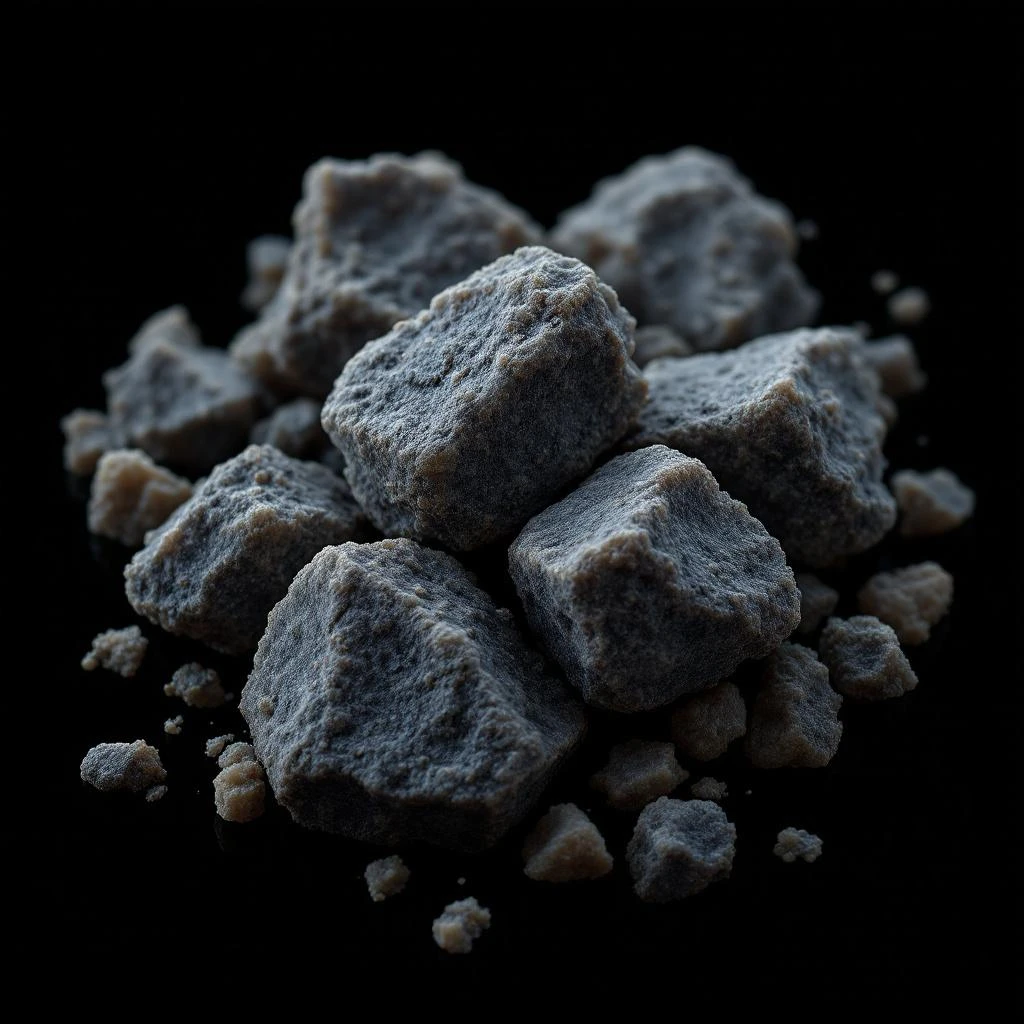

Origin
Indonesia
Indigenous peoples of the Moluccas and surrounding islands prized Massoia bark for its fragrant smoke, using it in ceremonial rites and as a natural insect repellent. Dutch traders recorded the bark’s scent in the 18th century, noting its sweet, milky quality that differed from true coconut.
By the late 1800s, European perfume houses began importing the oil, exploiting its creamy profile as a natural alternative to synthetic coconut accords. During the early 20th century, the oil supported colonial economies, with export volumes peaking in the 1930s.
After World War II, synthetic lactones reduced demand, yet niche perfumers revived interest in the 1990s, valuing its authentic, sustainable character. Today, the oil appears in niche fragrances that seek a genuine tropical creaminess without artificial additives.
Wears it best
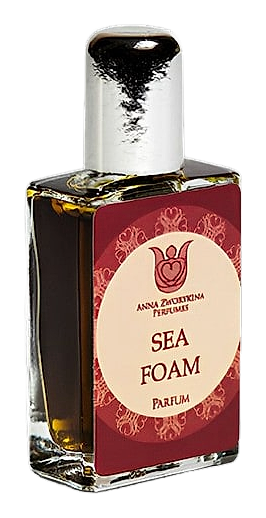
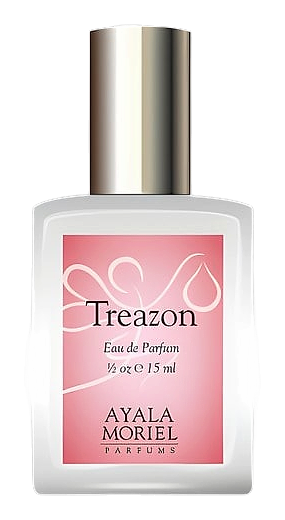
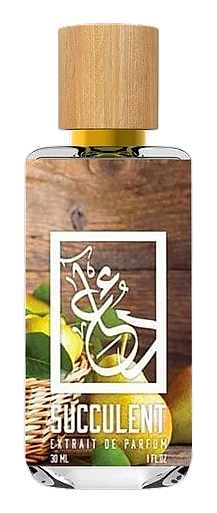
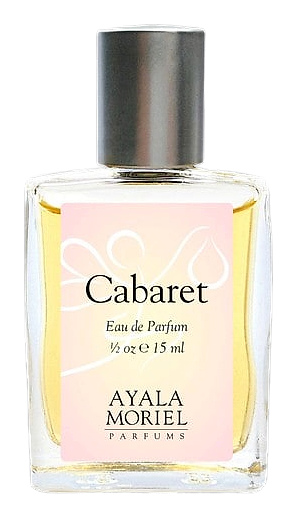
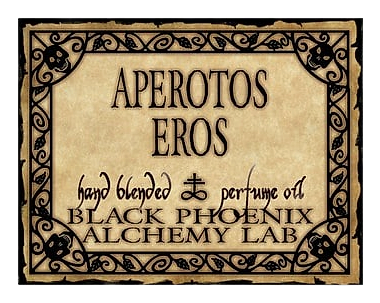
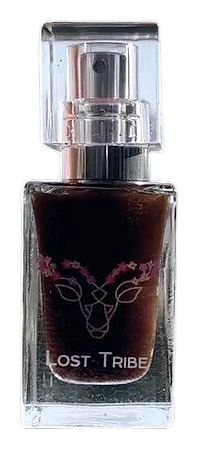
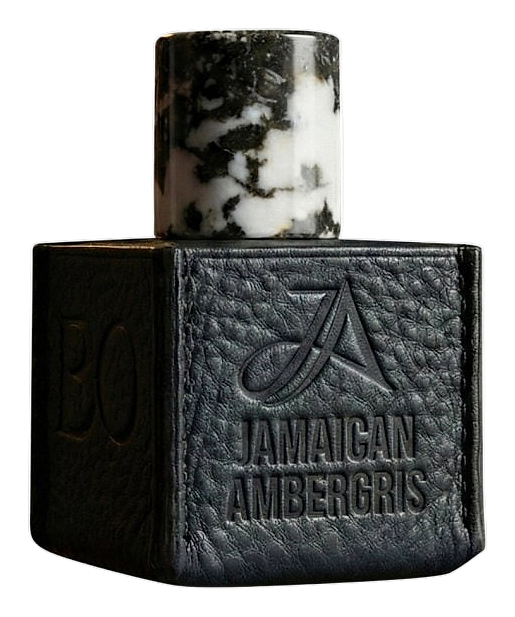
Fragrances featuring Massoia bark



Brands
Brands known for Massoia bark
Good to know
Questions, answered
The essentials on Massoia bark in perfumery: how it smells, where it comes from, and how it behaves on skin.
What primary scent does Massoia bark oil provide?
Massoia bark oil gives a creamy, sweet, coconut‑like aroma. It is dominated by C10 lactone, which accounts for 50‑60% of the oil’s composition.
Is Massoia bark oil safe for direct skin application?
Use the oil at low concentrations, typically below 1% in leave‑on products. A 2022 safety assessment listed a skin irritation threshold of 0.5% for most users.
How much oil can be obtained from a kilogram of bark?
Steam distillation yields roughly 0.5 % oil by weight. A study in 2021 measured an average of 5 ml of oil from 1 kg of dried bark.
What are the main aromatic compounds in Massoia bark oil?
C10 lactone dominates, making up 50‑60% of the oil. Minor constituents include benzyl alcohol and vanillin, which add faint floral and vanilla nuances.
Where does most commercial Massoia bark oil originate?
Indonesia supplies the majority of global production. Export records from 2023 show Indonesia accounting for 78 % of shipped volumes.
What extraction method preserves the oil’s delicate notes best?
Steam distillation retains the lactone profile while minimizing oxidation. A 2020 comparison found steam‑distilled oil retained 92 % of its original C10 lactone content versus 68 % for solvent‑extracted samples.
What typical applications use Massoia bark oil?
Perfumers employ it as a natural coconut note in oriental and gourmand compositions. It also appears in fine soaps and body lotions for its creamy scent.
Is the harvesting of Massoia bark considered sustainable?
Sustainable practices involve strip‑harvesting without killing the tree, allowing regrowth. A 2022 forestry audit reported a 70 % regeneration rate after bark removal in managed plantations.