Mango mousse
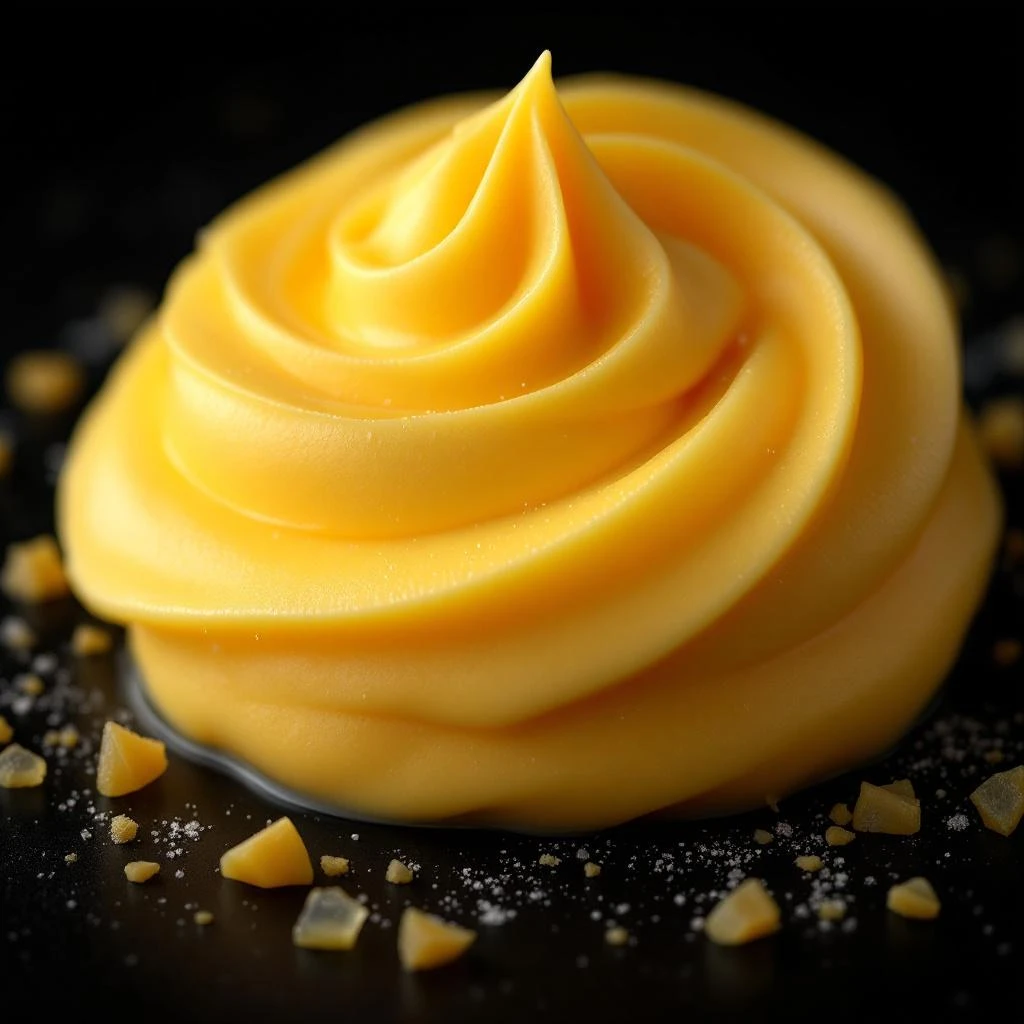
Mango mousse is a modern fragrance compound combining ripe tropical mango with creamy, dessert-like undertones. In perfumery, it adds a sweet, juicy character with velvety warmth, often used to create tropical, gourmand, or fruity-floral compositions.
Character
How it smells
Tropical sweetness meets creamy elegance in a velvety fruit embrace.
Mango has one of the lowest essential oil yields among fruits at under 0.1%, which is why perfumers rely on aromatic compounds to capture its essence.


Origin
Global production
The mango originated in South Asia over 4,000 years ago and holds deep cultural significance in India, where it appears in ancient texts and religious contexts. While mango has ancient roots in traditional perfumery and temple offerings, the specific "mango mousse" concept developed more recently as perfumery embraced gourmand and tropical themes. The compound emerged from consumer demand in the 1990s and 2000s for edible, dessert-like fragrance notes.
Fragrance houses began developing sophisticated mango recreations that captured not just the fruit but its contextual warmth and creaminess. Today, mango mousse appears in mainstream and niche fragrances as perfumers continue refining the balance between tropical sweetness and creamy comfort.
Wears it best
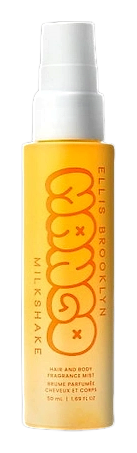
Fragrances featuring Mango mousse
Brands
Brands known for Mango mousse
Good to know
Questions, answered
The essentials on Mango mousse in perfumery: how it smells, where it comes from, and how it behaves on skin.
What does Mango mousse smell like in perfume?
Mango mousse smells like ripe tropical mango with creamy, velvety undertones. It combines juicy sweetness with dessert-like richness, creating a warm, approachable fruity character that feels both fresh and indulgent.
Why is Mango mousse used in perfumery?
Mango mousse adds tropical sweetness and gourmand warmth to fragrances. Perfumers use it to create escape-like, sun-kissed moods, and to bridge fruity and creamy elements in compositions. It performs particularly well in summer and casual fragrance lines.
Is Mango mousse in perfume natural or synthetic?
Mango mousse is typically synthetic. Mango has an essential oil yield under 0.1%, making natural extraction impractical. Modern aromatic chemistry reconstructs the scent profile using lab-synthesized aroma compounds for consistency and effectiveness.
What famous perfumes contain Mango mousse?
Mango mousse appears in tropical and fruity-gourmand fragrances across price segments. It features commonly in summer flanker lines and contemporary gender-fluid fragrances. Specific concentrations vary by brand, with major houses incorporating it in seasonal releases.
Is Mango mousse a top note, heart note, or base note?
Mango mousse most commonly functions as a heart note, adding warmth and fruitiness in the fragrance body. It can appear in top note positions when used for initial tropical impact, with sillage lasting approximately 2 to 4 hours in typical compositions.
What notes pair well with Mango mousse in perfume?
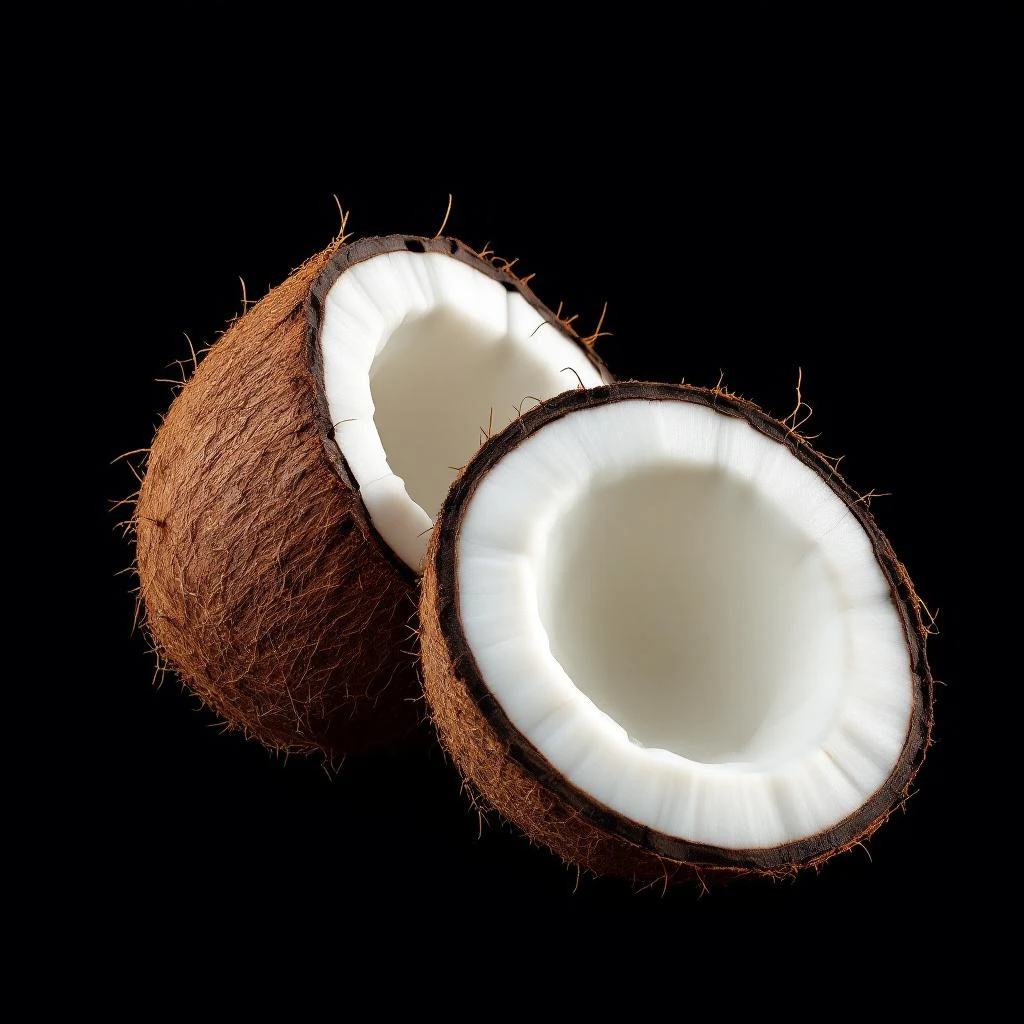
Mango mousse pairs naturally with coconut, vanilla, and tropical florals like ylang-ylang and tiare. It also complements white musks, sandalwood, and warm spices like cardamom. These combinations enhance its creamy, sun-drenched character.
How is Mango mousse extracted?
Mango mousse is not extracted from fruit but reconstructed synthetically. Fragrance chemists identify key aroma molecules in fresh mango, then synthesize identical compounds in the laboratory. This includes various lactones and esters that create the characteristic ripe, creamy scent profile.
Is Mango mousse used in men's or women's fragrances?
Mango mousse appears across gender categories in modern perfumery. Its sweet, tropical character suits women's fragrances, but it also works in gender-fluid and masculine compositions, particularly in casual summer and sport fragrances. Usage depends on the overall accord.