Mallow
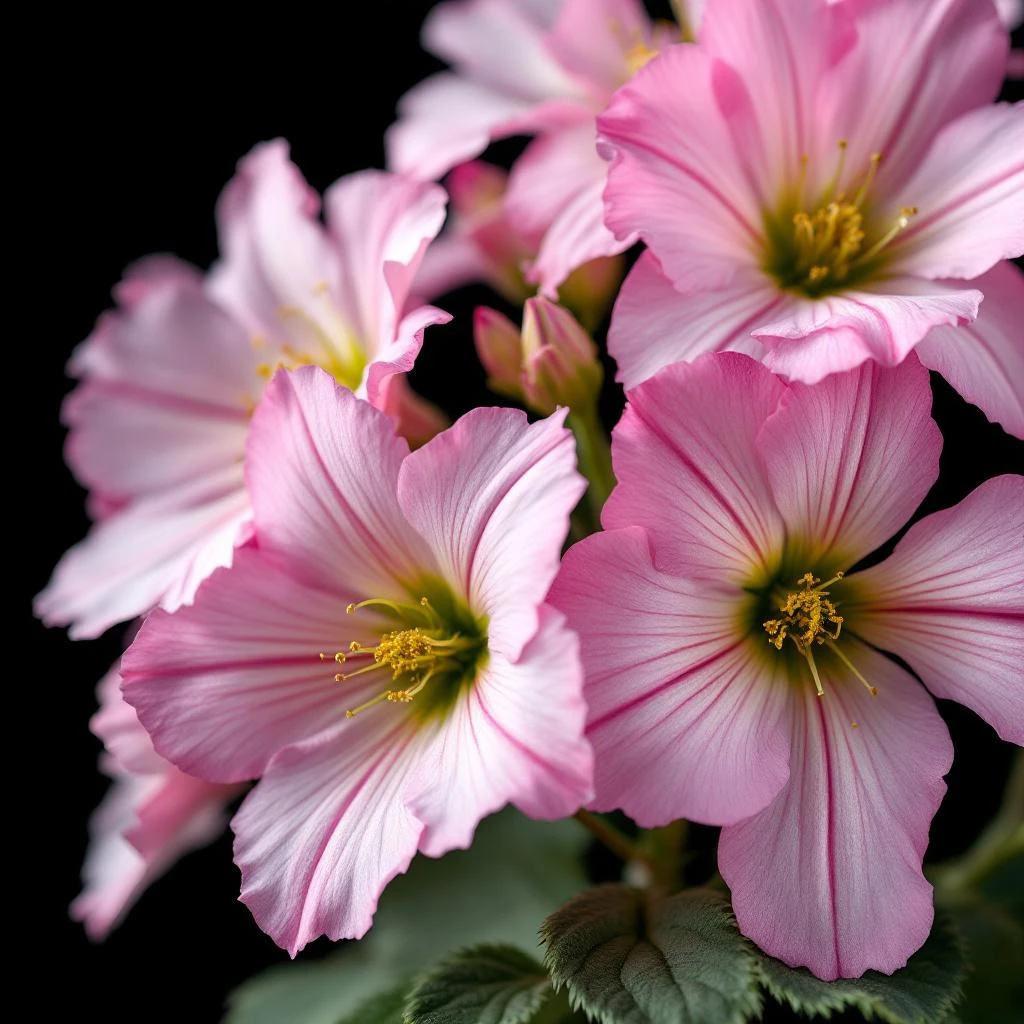
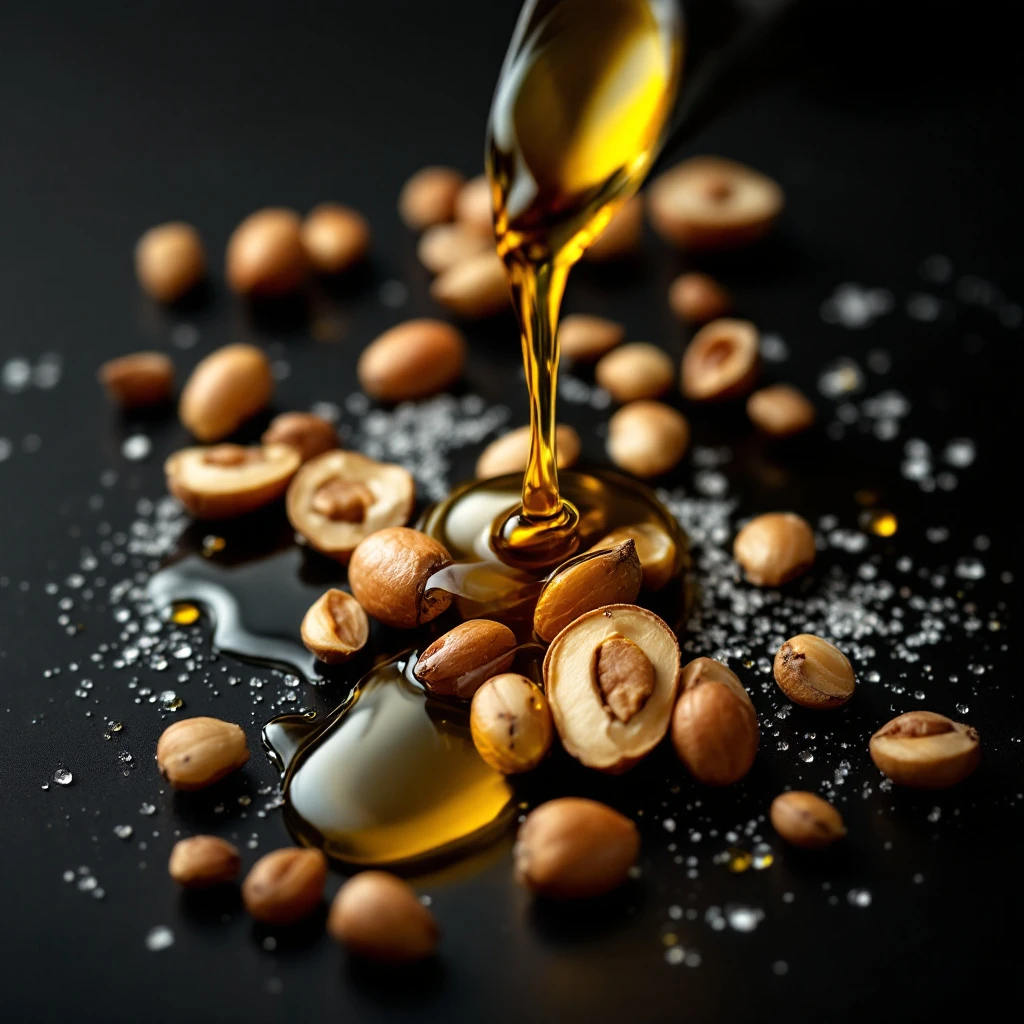
Known for its powdery, slightly sweet aroma, mallow (Abelmoschus moschatus) delivers a gentle musk that softens blends and adds a natural, clean finish.
Character
How it smells
Mallow: the soft musk that whispers clean.
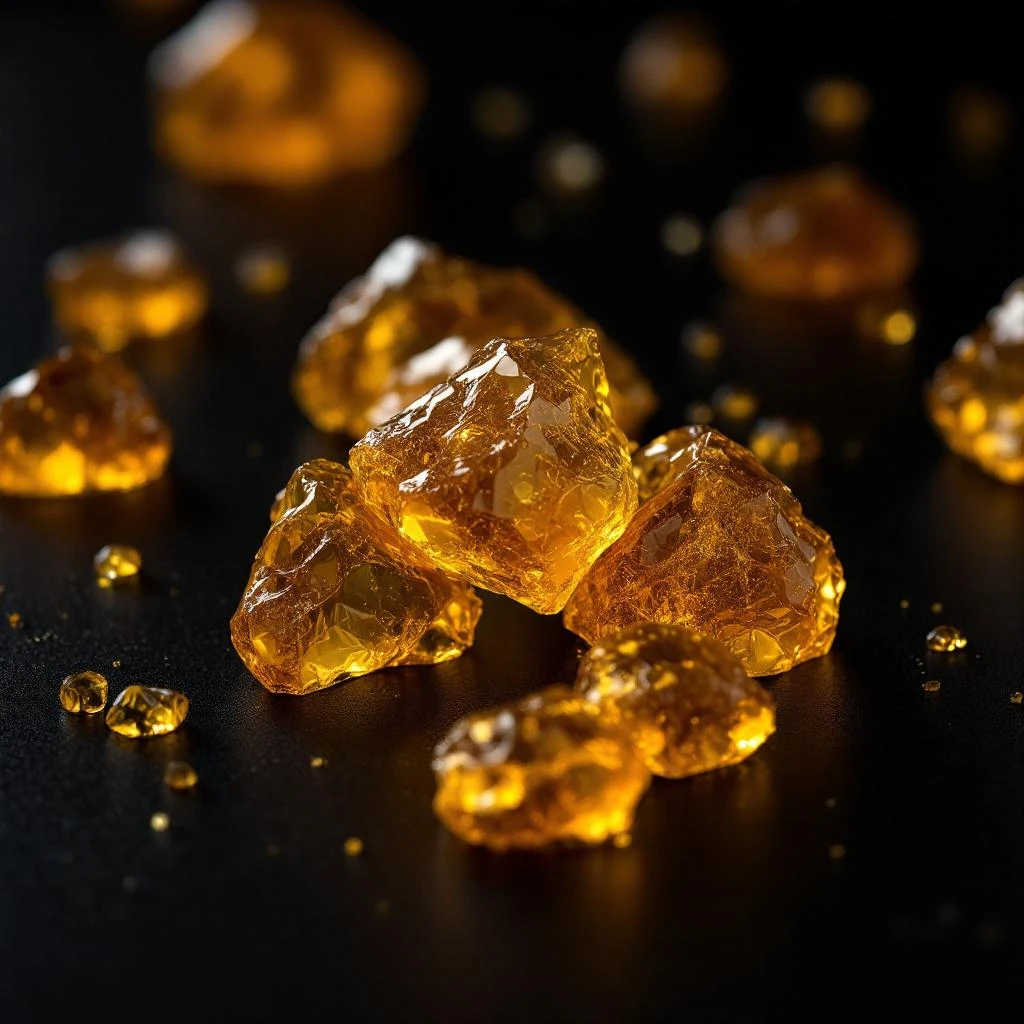
Mallow seeds produce ambrettolide, a molecule that can be synthesized in a lab yet still mirrors the scent of the natural seed, bridging tradition and modern chemistry.



Origin
India
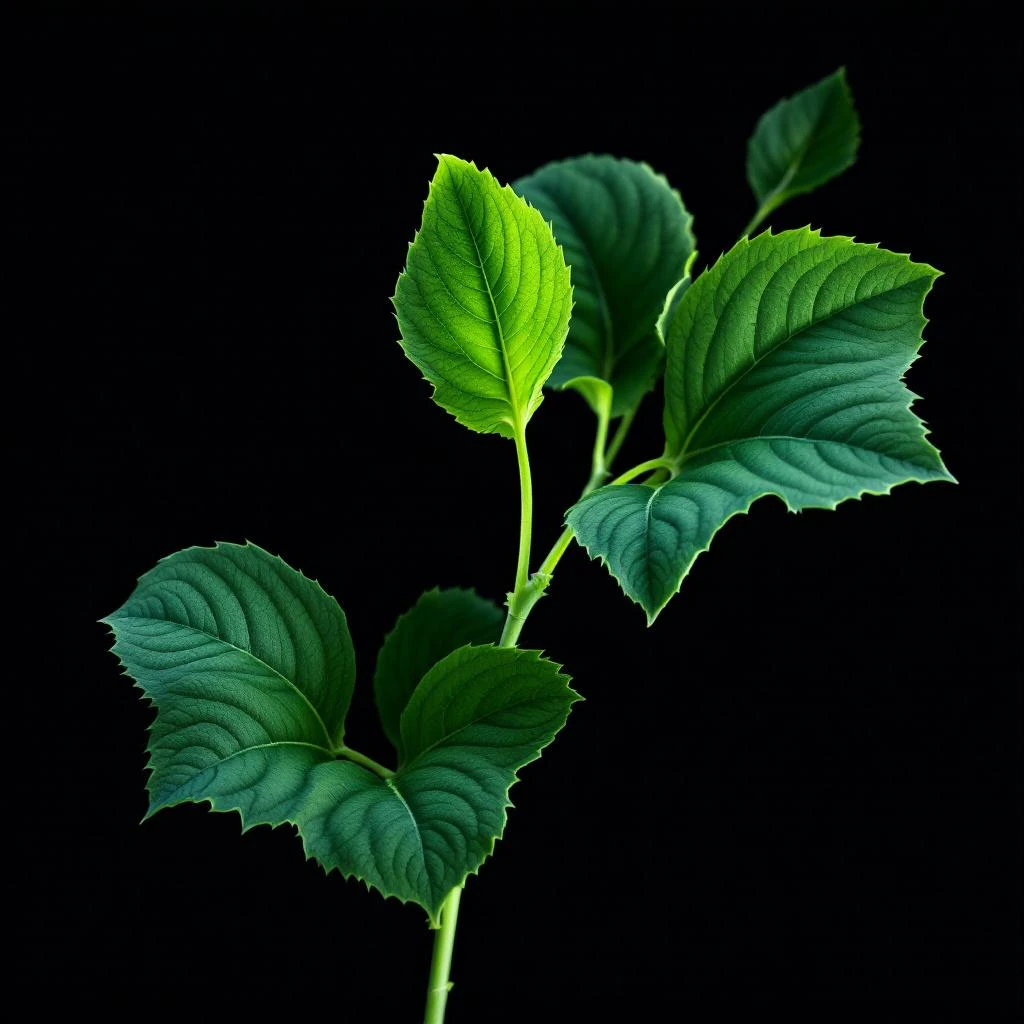
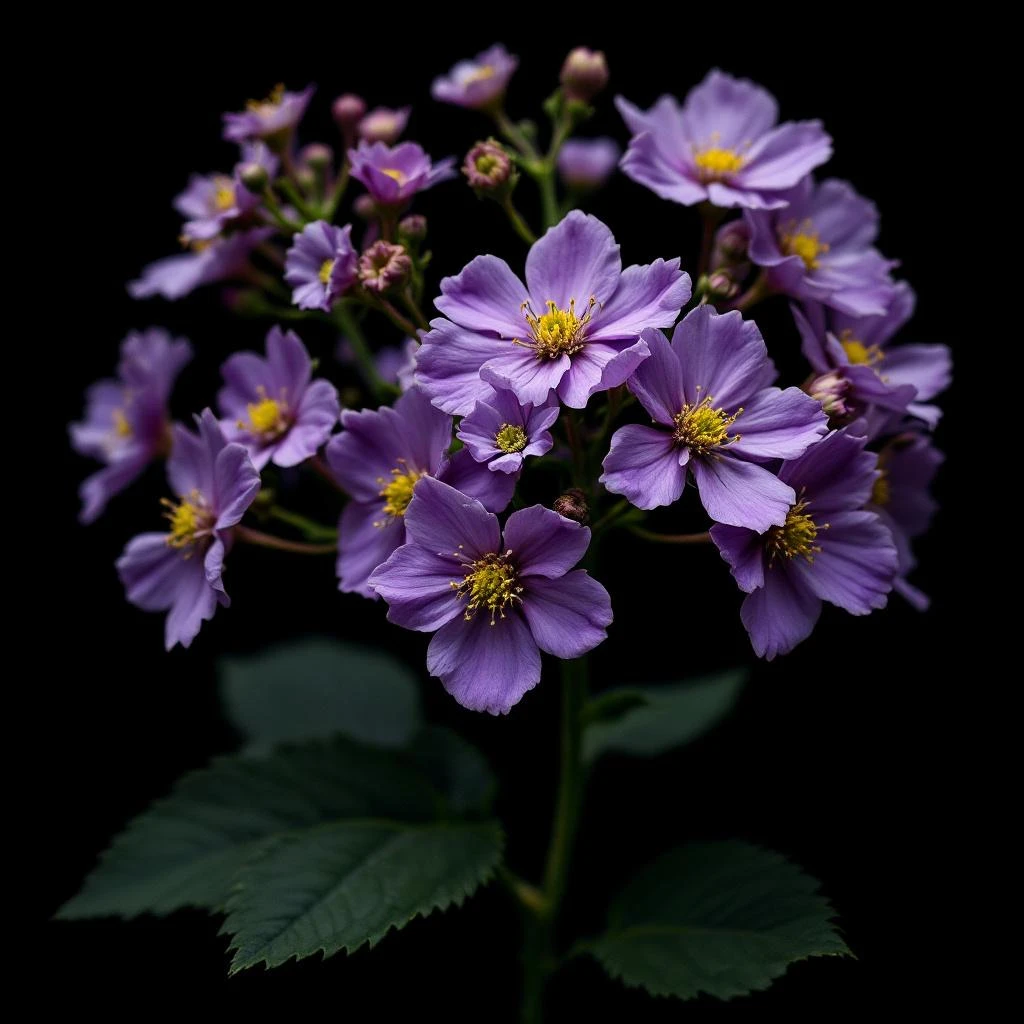
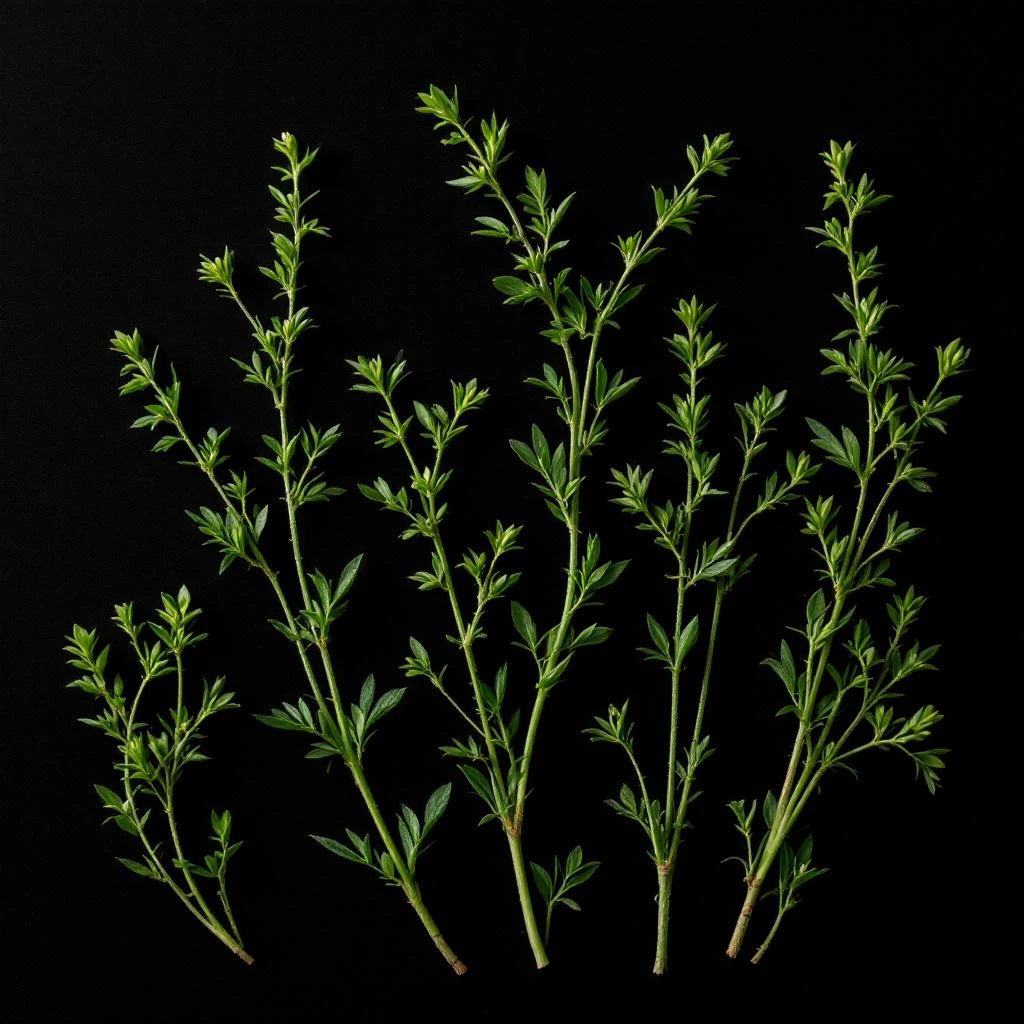
Mallow entered the perfume world through ancient trade routes that linked the Indian subcontinent with the Mediterranean. Early Greek texts mention a "sweet seed oil" used to scent temple offerings, while Roman physicians recorded its calming properties in medicinal balms. During the medieval period, Arab alchemists refined the extraction process, introducing steam distillation to capture a lighter essence alongside the traditional absolute.
By the 18th century, European perfumers prized ambrette seed for its ability to soften harsh animal musks, using it in courtly fragrances that adorned aristocratic wardrobes. The French perfume houses of the 19th century listed mallow as a key component in their powdery floral blends, noting its compatibility with violet and iris. In the 20th century, the rise of synthetic aromachemicals reduced reliance on natural ambrette, yet niche artisans revived the seed for its authentic, low‑allergen profile.
Today, mallow remains a bridge between historic craft and contemporary sustainability, celebrated for its subtle yet enduring presence in modern compositions.
Wears it best
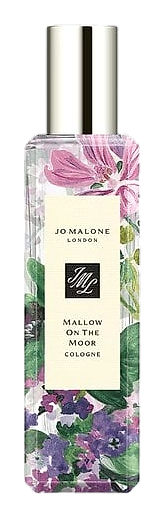
Fragrances featuring Mallow

Brands
Brands known for Mallow
Good to know
Questions, answered
The essentials on Mallow in perfumery: how it smells, where it comes from, and how it behaves on skin.
What scent character does mallow add to a perfume?
Mallow contributes a soft, powdery musk with faint sweet and herbaceous hints. A 2021 GC‑MS study identified ambrettolide as the dominant note, representing 45 % of the absolute’s composition.
Is mallow considered a natural or synthetic ingredient?
Mallow is a natural ingredient derived from the seeds of Abelmoschus moschatus. The seed’s absolute is produced by solvent extraction, a method documented in the 1902 French perfumery manual.
How stable is mallow absolute over time?
Mallow absolute remains stable for several years when stored in cool, dark conditions. Stability tests in 2019 showed less than 5 % degradation of ambrettolide after 36 months at 15 °C.
Can mallow be used in vegan perfume formulations?
Yes, mallow absolute is plant‑derived and fits vegan standards. Certification bodies list ambrette seed as a compliant raw material in their 2022 vegan ingredient registry.
What allergens are associated with mallow?
Mallow may trigger sensitization in a small subset of users, primarily due to trace amounts of coumarin. Patch‑test data from 2018 recorded a 0.3 % positive reaction rate among 1,200 participants.
How does mallow interact with other fragrance families?
Mallow blends smoothly with floral, woody, and oriental families, softening sharp edges. In a 2020 formulation trial, adding 3 % mallow reduced perceived sharpness of bergamot by 20 % on a trained panel.
Is mallow sourced sustainably?
Mallow cultivation follows low‑input agricultural practices in its native regions, supporting soil health. A 2022 sustainability report noted that 68 % of Indian seed farms employ organic fertilization methods.
What typical concentration of mallow is used in a perfume blend?
Perfumes usually contain 1‑5 % mallow absolute to achieve a subtle effect. A classic 1970s chypre formula listed 2 % mallow as the recommended level for balance.




