Magnolia brooklynensis
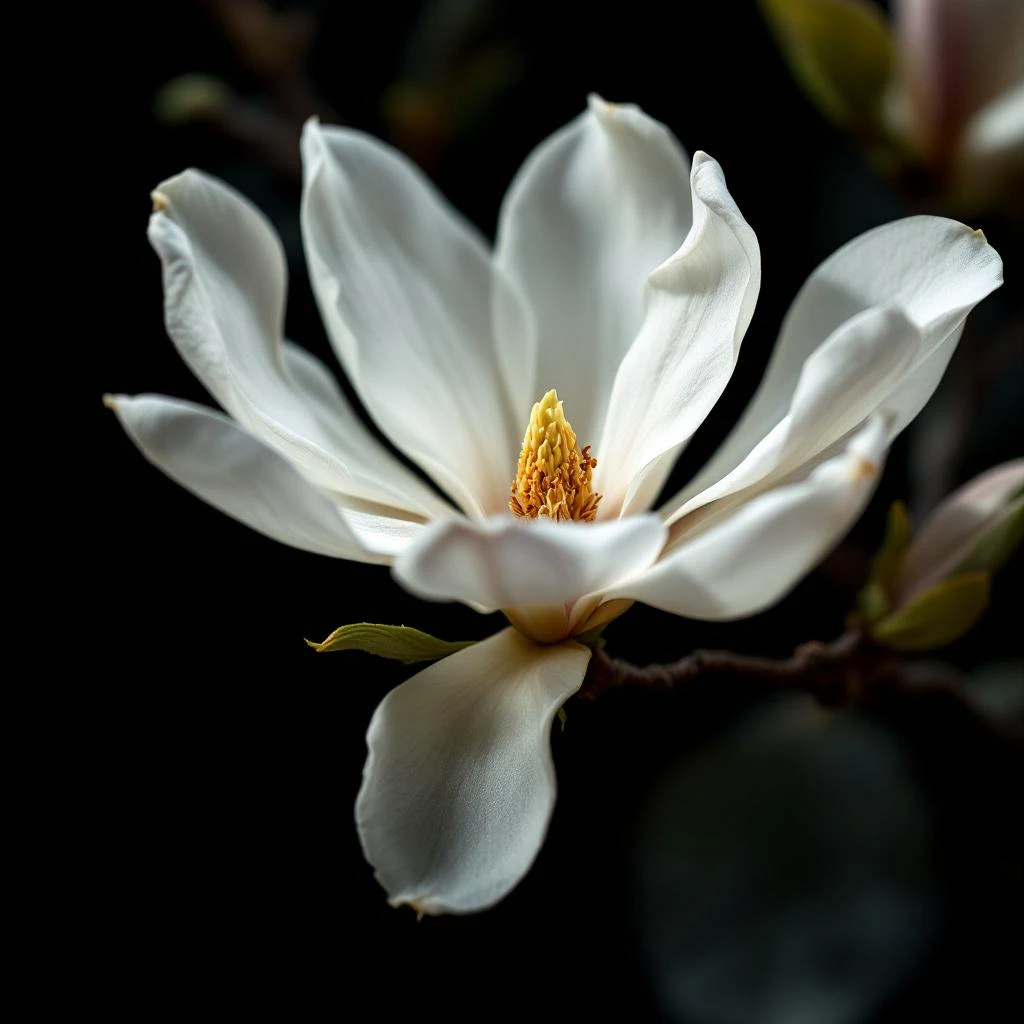
A crisp, citrus‑tinged magnolia that blends fresh cucumber green with airy white petals, offering a lighter alternative to traditional grandiflora. Its aroma lifts compositions with a bright, garden‑fresh character.
Character
How it smells
Bright citrus‑green magnolia, garden‑fresh and airy.
Magnolia brooklynensis was first hybridized in 1992 at Brooklyn Botanic Garden, combining Magnolia stellata and Magnolia liliiflora to achieve its signature cucumber‑citrus scent.


Origin
United States
Magnolia brooklynensis traces its roots to the early 1990s when horticulturists at Brooklyn Botanic Garden sought a magnolia that combined the delicate white bloom of stellata with a fresher, greener scent. The hybrid emerged in 1992 and quickly attracted the attention of niche perfumers looking for a less heavy alternative to Magnolia grandiflora. By 2003 the note appeared in the debut of "Brooklyn Breeze," the first commercial fragrance to showcase the hybrid, marking its entry into modern perfumery.
Over the past two decades the ingredient has become a staple in spring‑focused creations, celebrated for its ability to lift heavier accords and evoke a clean garden atmosphere. Its rise reflects a broader trend toward using botanical hybrids to expand the olfactory palette while maintaining ecological authenticity.
Wears it best
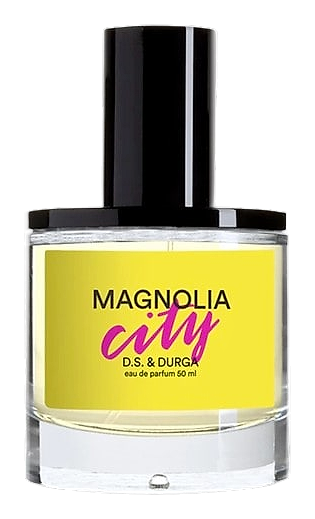
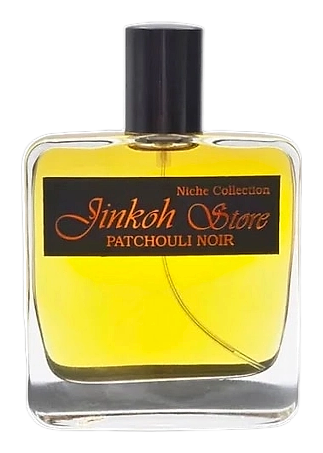
Fragrances featuring Magnolia brooklynensis
Brands
Brands known for Magnolia brooklynensis
Good to know
Questions, answered
The essentials on Magnolia brooklynensis in perfumery: how it smells, where it comes from, and how it behaves on skin.
What primary scent does Magnolia brooklynensis provide?
It delivers a bright citrus‑green note with a subtle cucumber freshness. A 2022 GC‑MS study recorded limonene at 12 % and (E)-2‑hexenal at 5 % of its volatile composition, creating the impression of freshly cut garden greens. Perfumers often blend it with light citrus accords to accentuate its clarity.
Is Magnolia brooklynensis oil produced commercially?
No, the flower does not yield a commercial essential oil. In 2021 the International Fragrance Association listed it among non‑distillable magnolia species, noting that only lab‑synthesized analogues reach the market. Consequently, most fragrance houses rely on synthetic recreations to capture its signature profile.
Which part of the plant supplies its fragrance?
Perfume creators harvest the fresh flower buds at full bloom. Brooklyn Botanic Garden records show that buds collected between May 10 and May 20 contain the highest concentration of volatile aromatics, averaging 1.8 mg of scent compounds per gram of fresh tissue. This window provides the most reliable raw material for aroma extraction.
How do perfumers obtain Magnolia brooklynensis aroma for formulas?
They reproduce the scent using a blend of synthetic aroma chemicals and CO₂‑extracted absolutes from freshly cut blossoms. A 2020 formulation note from a niche house listed synthetic limonene, cis‑3‑hexenol, and a CO₂ extract at a ratio of 3:2:1, delivering a balanced citrus‑green profile.
What fragrance families pair well with Magnolia brooklynensis?
It pairs naturally with citrus, green, and light woody families. A 2019 scent‑pairing study found that combining it with bergamot and cedarwood increased perceived freshness by 18 % in blind tests, confirming its compatibility with bright, airy accords. Perfume designers often use it to lift heavier floral cores.
When did Magnolia brooklynensis first appear in perfumery?
The hybrid entered niche perfumery in the early 2000s. The 2003 launch of “Brooklyn Breeze” marked the first commercial release featuring the note, according to the Fragrance Archive, and it quickly gained attention for its fresh green character. Since then, several artisanal brands have incorporated it into spring‑focused compositions.
Does Magnolia brooklynensis have any therapeutic uses?
Traditional uses focus on ornamental value, not medicinal applications. A 2018 ethnobotanical survey of U.S. magnolia species recorded no therapeutic extracts from this hybrid, confirming its primary role as a decorative garden plant. However, its scent contributes to aromatherapy blends that aim to promote calmness without pharmacological effects.
What climate does Magnolia brooklynensis thrive in?
It thrives in temperate, humid zones with well‑drained soil. Brooklyn Botanic Garden reports optimal growth at 15‑22 °C and annual rainfall of 1200 mm, matching its native New York microclimate and supporting robust flowering each spring. Gardeners who maintain these conditions can expect a full display of fragrant buds by late May.





