Character
The Story of Madagascar Vetiver
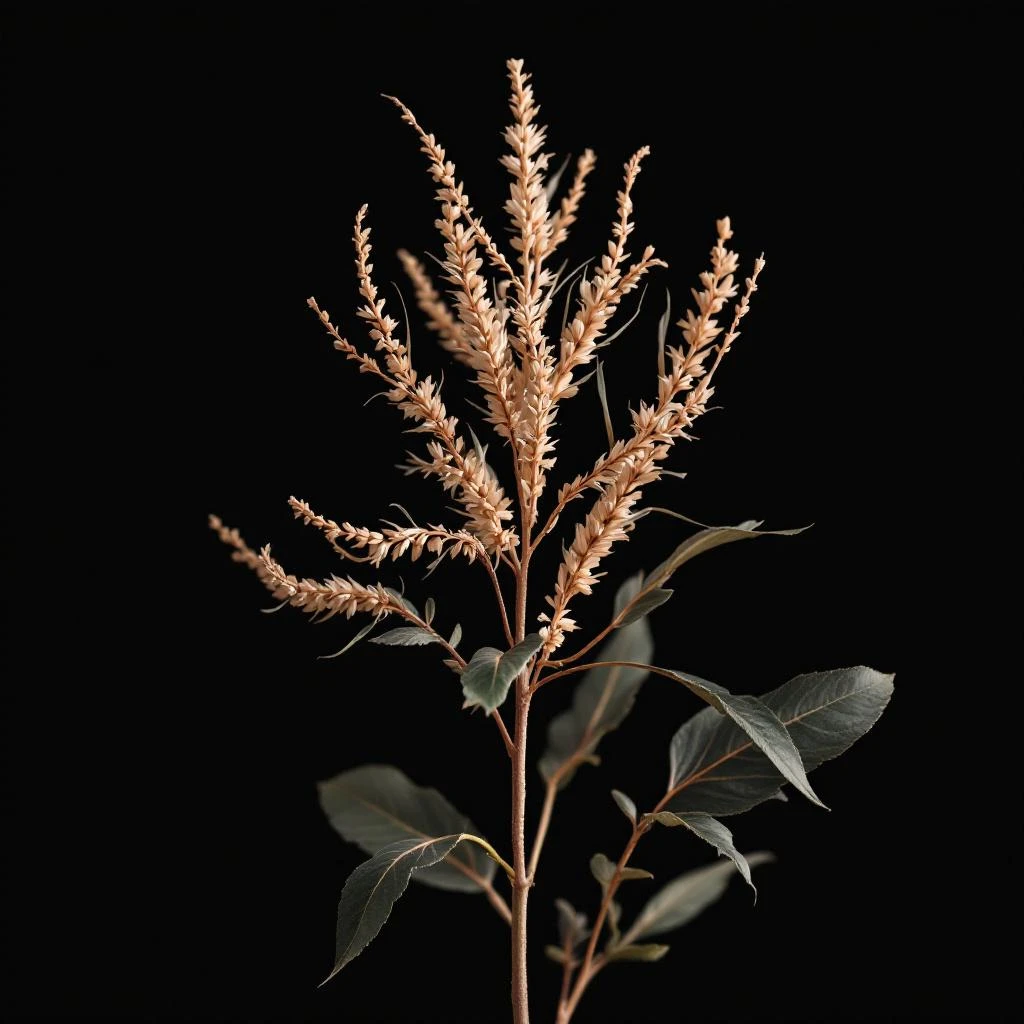
Madagascar vetiver is prized among perfumers for its refined woody character and clean earthiness, free from the smoky or muddy undertones found in other origins. Sourced from deep-rooted Chrysopogon zizanioides rhizomes, this base note delivers quiet power and exceptional fixative strength.
Heritage
Vetiver originated in India, where the Tamil name vettiveru gave us the modern term. The plant traveled westward in 1764 when Governor David Charpentier de Cossigny introduced it to Mauritius, then spread to Réunion Island (formerly Bourbon) and eventually Madagascar. By 1809, French chemists had performed the first chemical analysis of Bourbon vetiver oil, establishing the ingredient in Western perfumery. The plant gained global commercial importance during the 19th century as perfumers recognized its fixative properties. Pierre Léger expanded Réunion's production to 44 atmospheric stills by the 1980s, making it the world's largest producer. Today, Madagascar and Réunion produce the finest expressions of this ingredient, each with distinctive olfactory profiles shaped by terroir and artisanal processing methods passed through generations.
At a Glance
2
Feature this note
Madagascar
Primary source region
Ingredient Details
Steam distillation
Dried rhizomes (roots)
Did You Know
"Vetiver roots grow down 2-3 meters vertically, yet only the rhizomes are used in perfumery, requiring significant labor to harvest."