Character
The Story of Madagascan ylang-ylang
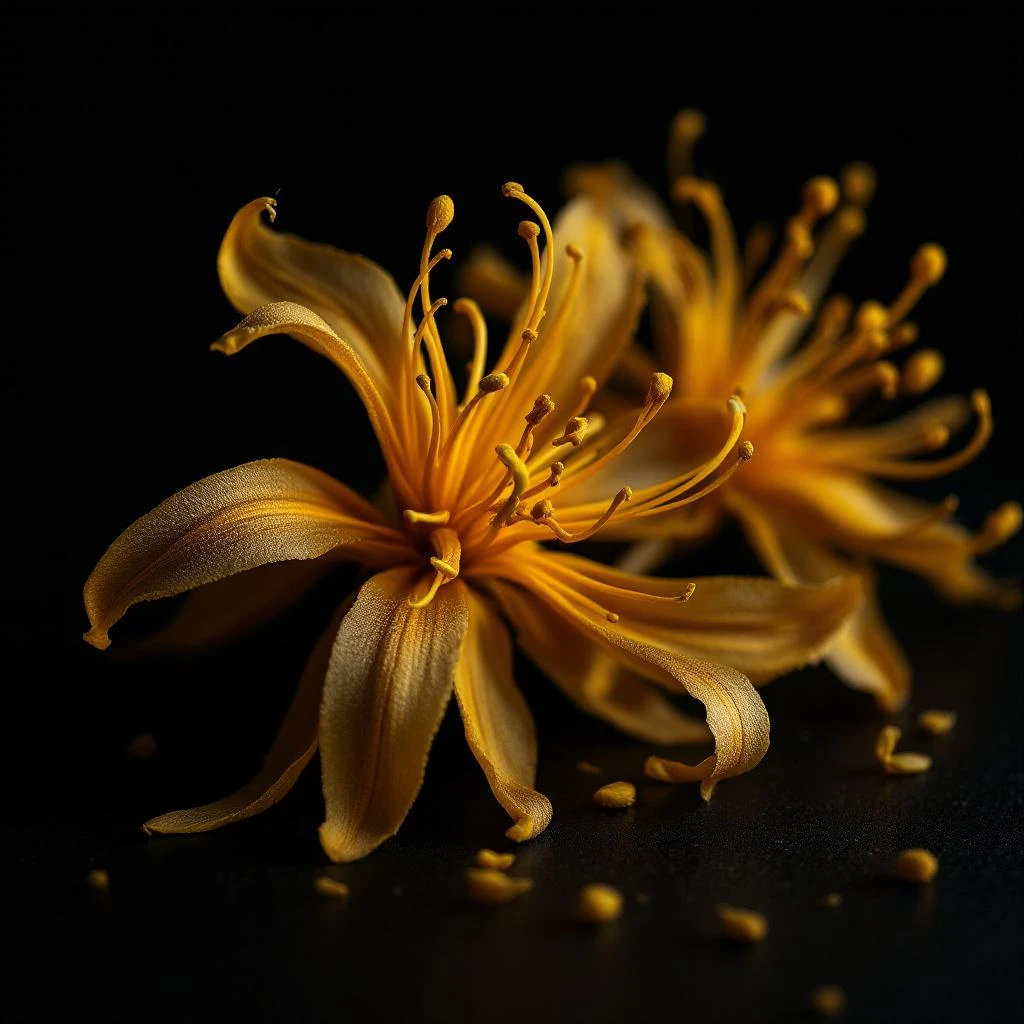
A tropical floral cornerstone of modern perfumery, Madagascan ylang-ylang delivers lush, narcotic sweetness with exotic depth. The island's humid climate produces flowers with an intensely rich, opulent character prized by the world's finest fragrance houses.
Heritage
Ylang-ylang arrived in Madagascar through French colonial networks in the mid-nineteenth century. French botanists introduced Cananga odorata from Southeast Asia as part of broader agricultural experiments across their Indian Ocean territories. The plant adapted remarkably well to Madagascar's humid, tropical environment and flourished on the island's eastern coast. Prior to Madagascar's emergence, ylang-ylang cultivation had already spread to Reunion by the 1700s, establishing a regional production chain. The Philippines dominated global production from 1860 to 1950, until Madagascar and the Comoros emerged as major competitors. Today, Madagascar produces a substantial share of the world's ylang-ylang oil, with the crop supporting rural agricultural communities. The species originated in the Moluccas archipelago of eastern Indonesia and the broader Philippines-Indonesia-Malaysia region, where local populations have used the flowers for centuries in hair oils, ceremonial garlands, and traditional medicine.
At a Glance
3
Feature this note
Madagascar
Primary source region
Ingredient Details
Steam distillation
Flower petals
Did You Know
"Ylang-ylang means 'flower of flowers' in Tagalog, reflecting the exceptional aromatic complexity of Cananga odorata."
Pyramid Presence