Character
The Story of Madagascan sandalwood
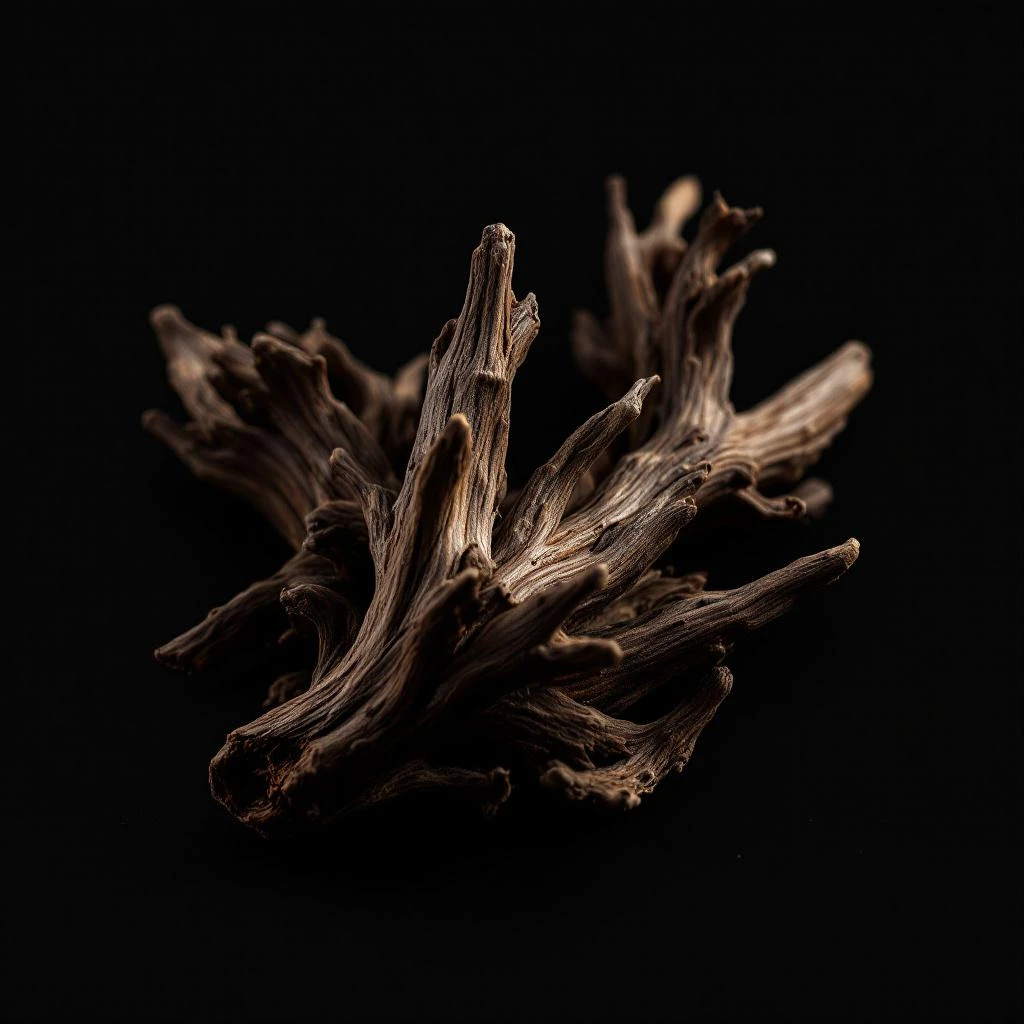
Madagascan sandalwood offers a creamy, milky wood core that anchors fragrances with warm, lingering depth, delivering a natural elegance that endures on the skin.
Heritage
Sandalwood has been prized for more than four millennia, with the earliest written references appearing in Indian texts dated to 700 BC. Ancient Arab traders carried powdered sandalwood across deserts, using it as a base for solid perfumes and incense. In the 19th century, French colonists introduced sandalwood cultivation to Madagascar, hoping to replicate Indian yields. The island’s forests proved suitable, and by the early 1900s small‑scale production began. A major shift occurred in the 1970s when India imposed strict export bans to protect its dwindling native stands. Madagascar seized the opportunity, expanding plantations and exporting oil to meet global demand. By the 1990s, the island supplied a significant share of the world’s sandalwood, influencing modern perfumery trends toward softer, creamier wood notes. Today, Madagascan sandalwood remains a bridge between ancient tradition and contemporary fragrance design, celebrated for its warm, enduring presence in both classic and avant‑garde compositions.
At a Glance
1
Feature this note
Madagascar
Primary source region
Ingredient Details
Steam distillation
Dried heartwood
Did You Know
"When Indian sandalwood exports declined in the 1970s, Madagascar stepped in, quickly becoming the world’s second‑largest source of sandalwood oil, supplying over 30% of global demand by the early 2000s."