
Character
The Story of Madagascan mandarin orange
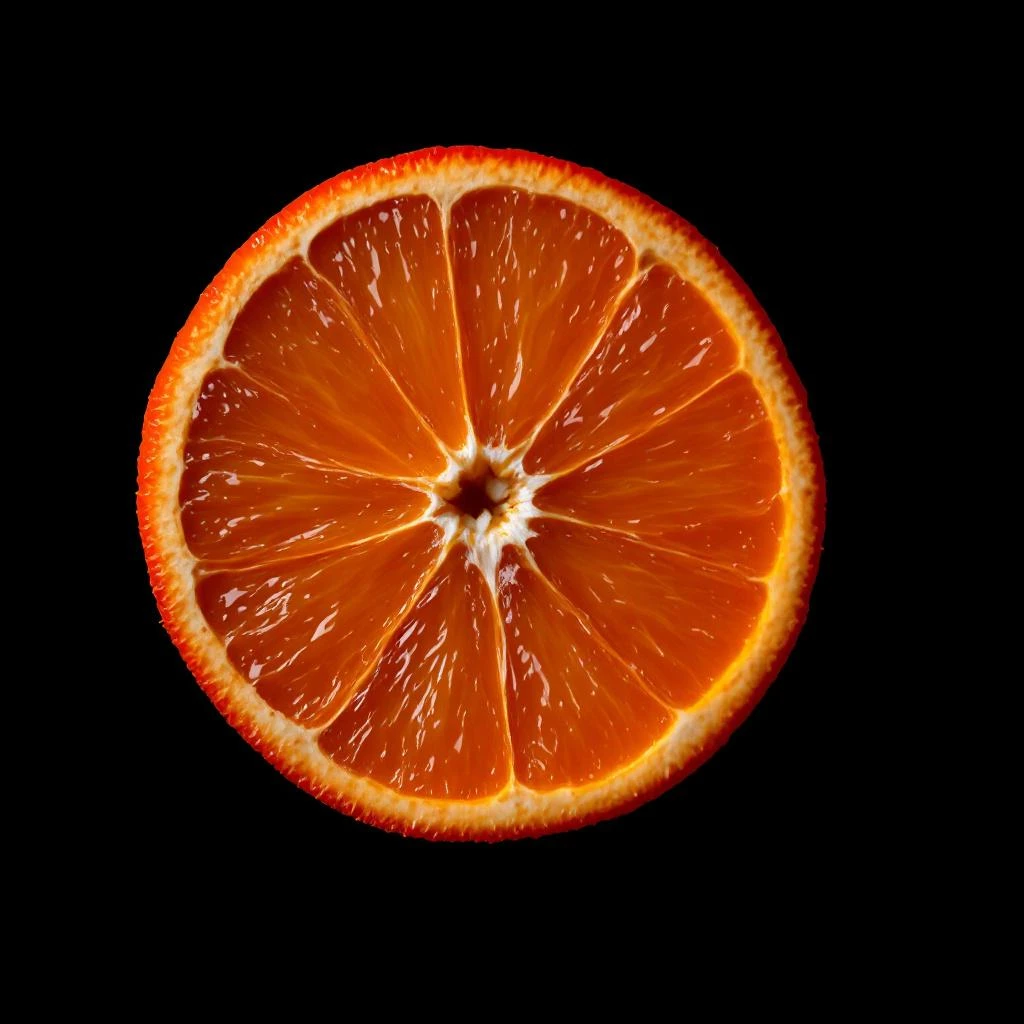
Madagascan mandarin orange bursts with bright citrus, its zest delivering a crisp, sun‑kissed aroma that lifts blends with a clean, slightly sweet edge.
Heritage
Mandarin oranges originated in southern China, where they were offered as tribute to imperial officials, a practice that gave the fruit its name. French missionaries introduced the species to Madagascar in the early 1800s, where the island’s unique climate and volcanic soils produced a distinct peel profile. By the late 19th century, colonial traders exported the fruit to Europe, and perfumers began experimenting with its zest oil. Early French perfume houses prized the Madagascan variety for its sharp, clean citrus, using it in classic fougère and chypre compositions. The oil’s high limonene content set it apart, allowing it to stand up to the heavier base notes that defined the era’s grand fragrances. Throughout the 20th century, the ingredient remained a staple in both niche and mainstream blends, celebrated for its ability to add a fresh, uplifting lift without overwhelming the composition.
At a Glance
4
Feature this note
Madagascar
Primary source region
Ingredient Details
Cold‑press expression
Fruit peel
Did You Know
"Madagascar’s volcanic soils give its mandarin peel a higher limonene concentration—up to 92%—making the oil unusually sharp and long‑lasting compared with other citrus sources."