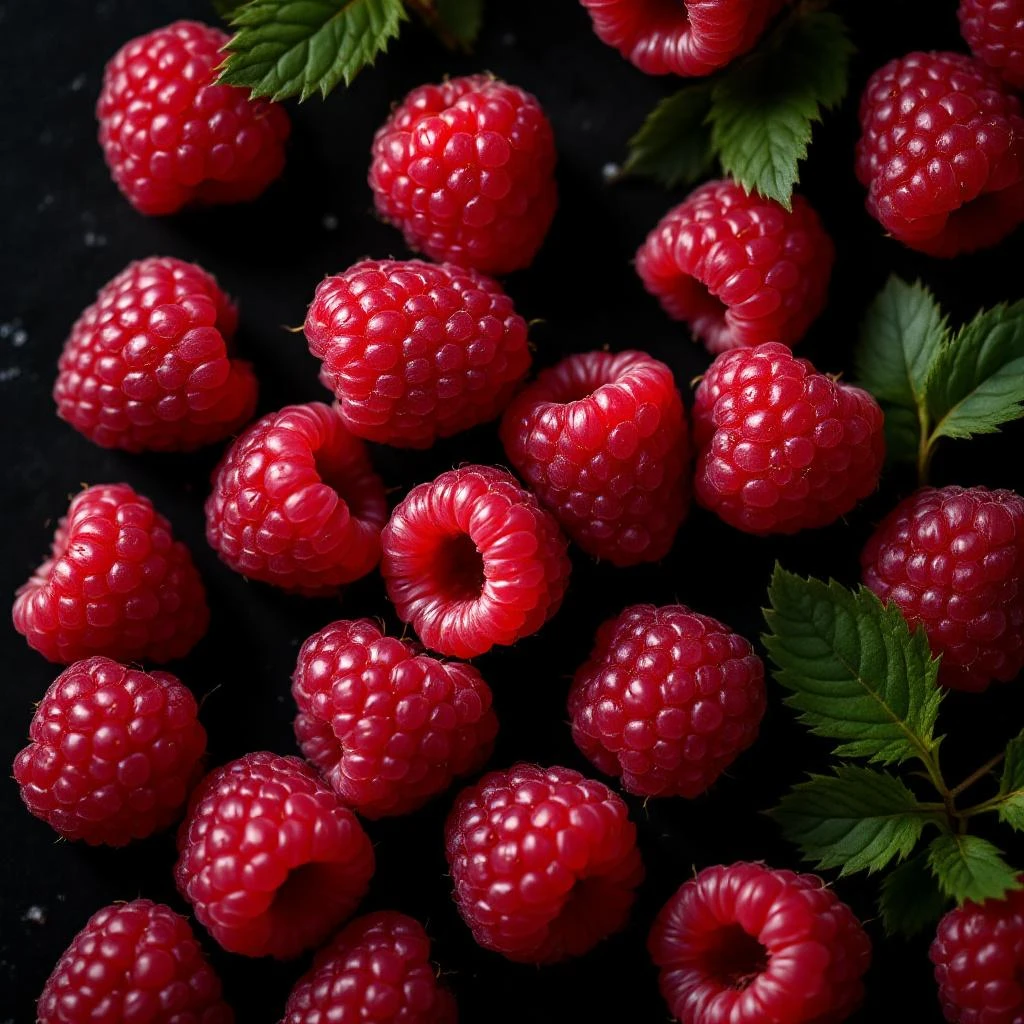
Lychee Sorbet
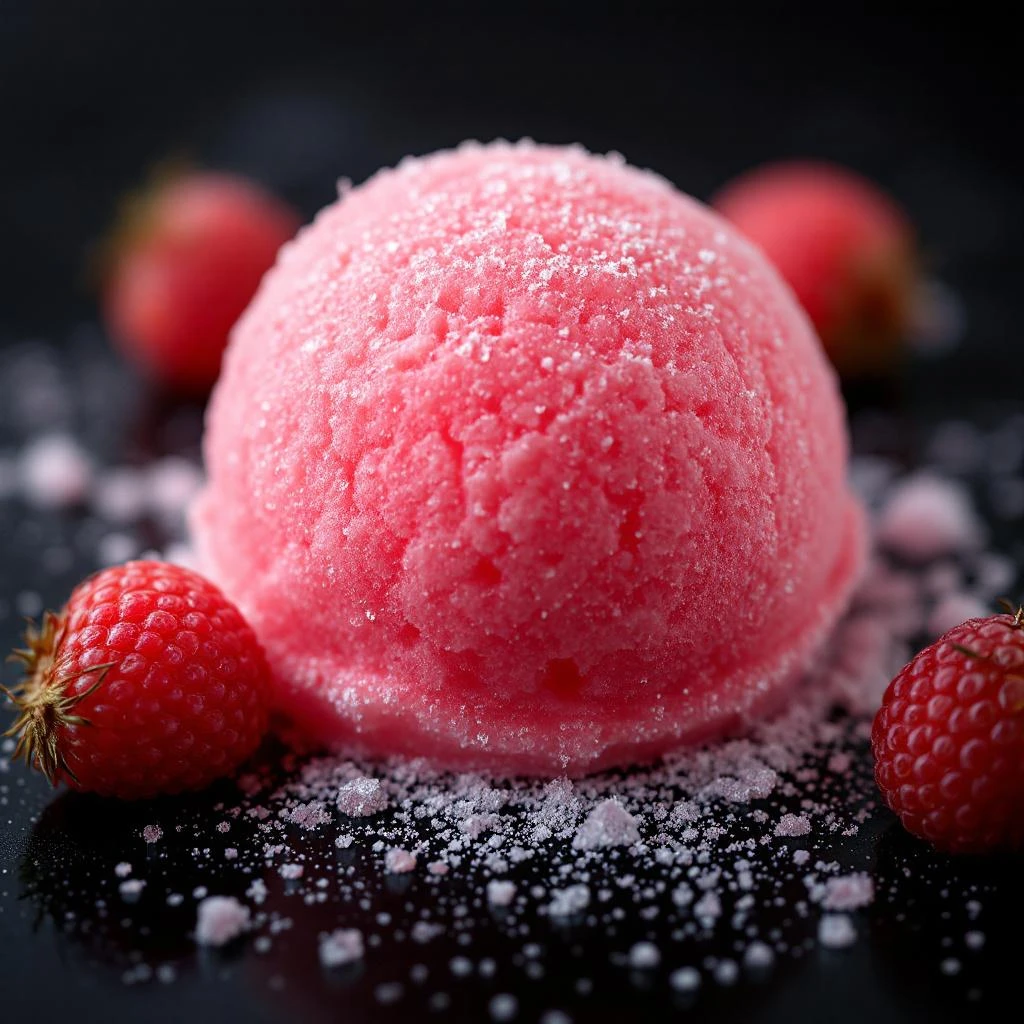
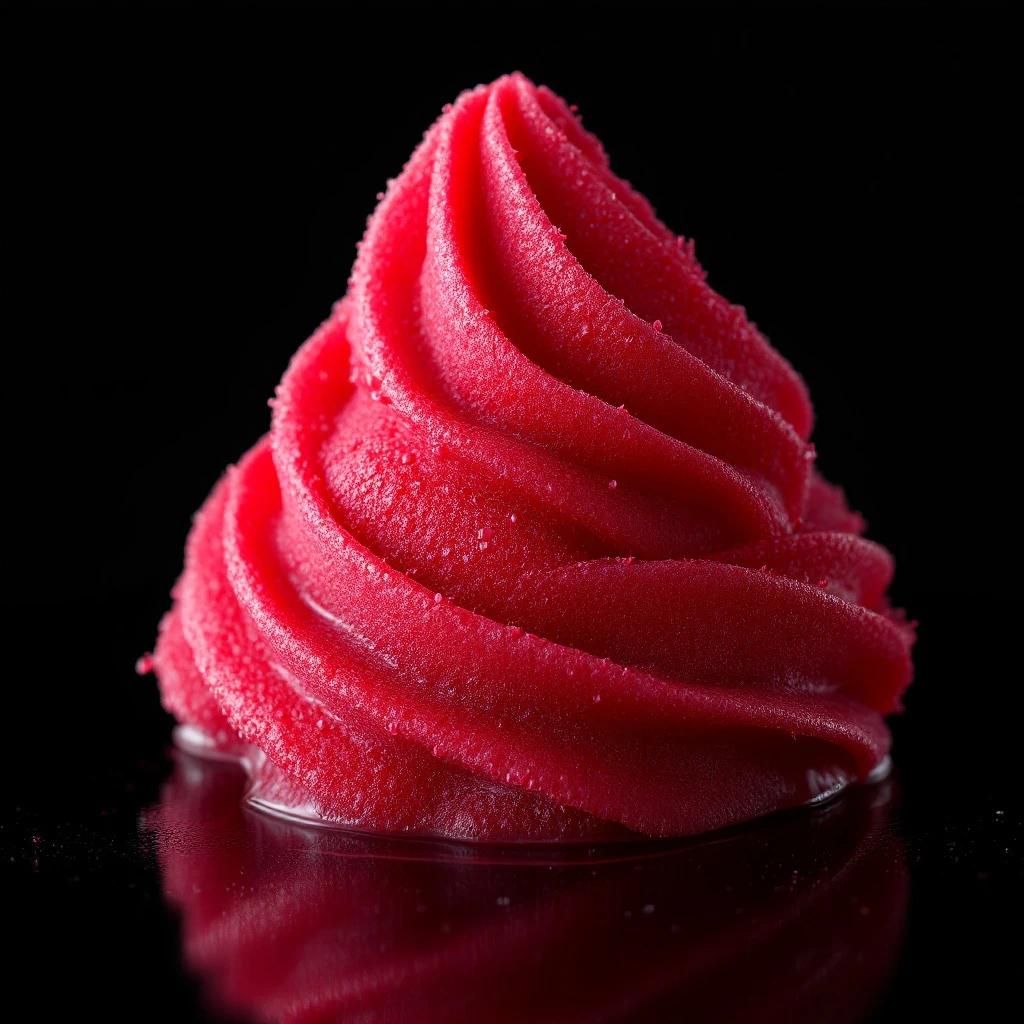
A bright, juicy tropical accord that captures the sweet-tart snap of chilled lychee flesh. Lychee Sorbet brings a dewy, crystalline fruitiness to compositions, adding lift without weight or cloying syrup.
Character
How it smells
Frozen fruit, sunlit and crisp.
True lychee absolute is rare and costly, so most perfumers reconstruct the scent from molecules like geraniol, linalool, and cis-rose oxide to mimic the fruit's distinctive rosy-fruity signature.

Origin
China
Lychee, botanically Litchi chinensis, has been cultivated in southern China for over two thousand years, with the earliest written records appearing during the Tang dynasty. The fruit traveled west slowly, reaching India and Southeast Asia through trade routes before European botanists documented it in the 18th century.
Despite its long culinary history, lychee entered Western perfumery only in the late 20th century, when advances in aroma chemistry allowed perfumers to isolate and reproduce its distinctive scent. François Coty's pioneering work with volatile solvents in the early 1900s had opened the door to capturing fragile fruit notes decades earlier, but reconstructing lychee specifically required understanding its complex molecular fingerprint, a breakthrough tied to mid-century research into tropical fruit volatiles.
Today, lychee accords appear frequently in gourmand and fruity-floral launches, reflecting growing consumer appetite for edible-smelling fragrances. Queensland and Madagascar now serve as key sourcing regions for any natural lychee material used in perfumery.
Wears it best
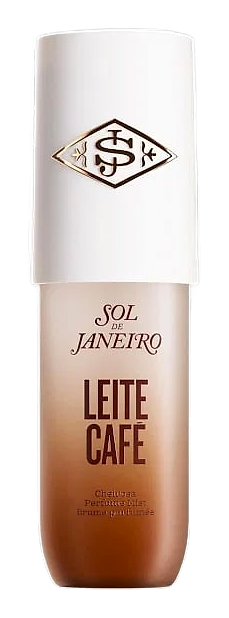
Fragrances featuring Lychee Sorbet
Brands
Brands known for Lychee Sorbet
Good to know
Questions, answered
The essentials on Lychee Sorbet in perfumery: how it smells, where it comes from, and how it behaves on skin.
What does Lychee Sorbet smell like in perfume?
Lychee Sorbet smells bright, juicy, and slightly tart, with a dewy sweetness reminiscent of chilled fruit pulp. The accord carries soft rosy-floral undertones that lend it a more sophisticated edge than typical sugary fruit notes.
Is Lychee Sorbet a natural or synthetic fragrance ingredient?
Lychee Sorbet is almost always synthetic. Genuine lychee essential oil is impractical to produce at scale because the fruit's delicate aromatics break down under distillation.
Which molecules recreate the lychee scent?
Perfumers typically blend linalool, geraniol, and cis-rose oxide to mimic lychee's floral-fruity character, then add trace esters for the sweet, almost grape-like juiciness.
Where does lychee originally come from?
Lychee originates from southern China, where it has been cultivated for over two millennia. The fruit later spread to Southeast Asia, India, and more recently to Queensland and Madagascar.
When did lychee first appear in perfumery?
Lychee entered Western perfumery in the late 20th century, once aroma chemists could reliably reconstruct its volatile profile. It gained mainstream popularity through fruity-floral and gourmand launches of the 2000s.
Why is it called a sorbet accord?
The sorbet label refers to the accord's chilled, crystalline character. Cool aldehydes and light musks are layered with the fruity molecules to evoke the sensation of frozen fruit rather than warm jam.
What fragrance families use Lychee Sorbet?
Lychee Sorbet appears most often in fruity-floral and gourmand compositions, where it brightens top notes and adds a modern, edible quality. It also works in tropical and aquatic fragrances as an opening accent.
Can lychee be extracted with steam distillation?
Steam distillation is generally unsuitable for lychee because heat destroys the fruit's delicate volatile compounds. CO2 extraction or solvent methods occasionally yield a natural tincture, but synthetic reconstruction remains the industry standard.