Lemon Pie
Lemon Pie is a composed fragrance accord combining bright lemon oil with creamy, buttery, and sweet vanilla undertones. It evokes fresh citrus zest alongside warm pie filling, making it a popular choice for gourmand and citrus-fresh fragrance families. The accord appears frequently in modern perfumes targeting gourmand and sweet citrus categories.

Character
How it smells
Bright citrus meets warm vanilla in this deliciously balanced dessert note
Turkish lemon production reached approximately 1.15 million metric tons in recent years, making it one of the world's largest lemon growers for perfumery and culinary use.









Origin
United States
While lemon itself has ancient perfumery roots, the 'Lemon Pie' accord represents a distinctly modern approach to fragrance creation. Lemon has been used in perfumery since antiquity, with Sicilian lemon oil first documented in 1780 by Abbot Domenico Sestini. The concept of food-inspired fragrance notes gained momentum in the late 20th century as perfumers began crafting edible, gourmand compositions.
The Lemon Pie note emerged as part of this trend, translating the comforting aroma of a classic dessert into liquid form. Today, such accords reflect contemporary perfumery's playful sophistication, bridging culinary nostalgia with olfactory artistry.
Wears it best
Fragrances featuring Lemon Pie
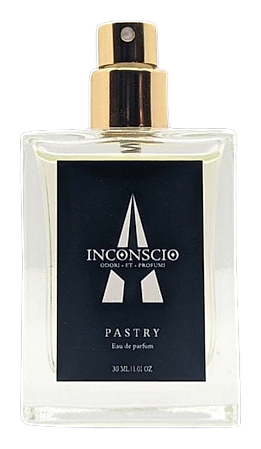
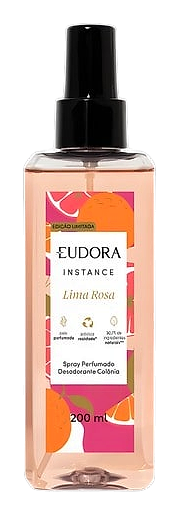
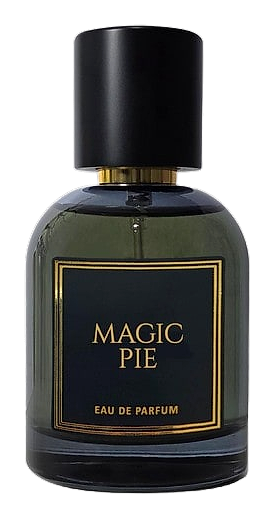
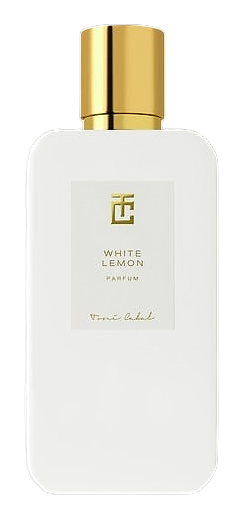
Brands
Brands known for Lemon Pie
Good to know
Questions, answered
The essentials on Lemon Pie in perfumery: how it smells, where it comes from, and how it behaves on skin.
What does Lemon Pie smell like in perfume?
Lemon Pie smells like fresh lemon zest combined with creamy vanilla and warm buttery notes. It combines sharp citrus brightness with sweet, edible undertones reminiscent of lemon curd and pie crust. The overall impression is bright, warm, and gourmand.
Why is Lemon Pie used in perfumery?
Lemon Pie adds a bright citrus character with warm, edible sweetness that creates approachable, comforting fragrances. This accord bridges the gap between sharp citrus and gourmand notes, making it popular for modern scents targeting consumers seeking fresh yet sweet compositions.
Is Lemon Pie in perfume natural or synthetic?
Lemon Pie is a composed accord containing both natural and synthetic materials. The lemon component typically uses cold-expressed lemon oil, while the creamy pie notes come from natural vanilla and synthetic materials like coumarin. Actual lemon oil contains about 70% limonene.
What famous perfumes contain Lemon Pie?
Several niche and designer fragrances feature lemon pie or similar lemon dessert accords. The specific compositions vary by brand. Such notes appear most commonly in gourmand, sweet citrus, and playful feminine fragrances released primarily in the 21st century.
Is Lemon Pie a top note, heart note, or base note?
Lemon Pie functions primarily as a top to heart note due to its citrus component, which evaporates quickly. The sweeter, creamier elements may persist into the heart phase. Its overall character is bright and immediately perceptible upon application.
What notes pair well with Lemon Pie in perfume?
Lemon Pie pairs well with vanilla, white musk, coconut, almond, and other citrus fruits like bergamot and mandarin. It also combines effectively with floral notes such as jasmine and orange blossom for added depth and femininity.
How is Lemon Pie extracted?
Lemon Pie is not a single extracted ingredient but an accord. The lemon element uses cold expression from Citrus limon peel, a method where rind is mechanically pressed to release oils. Additional pie notes come from vanilla absolute extraction and synthetic aroma chemicals.
Is Lemon Pie used in men's or women's fragrances?
Lemon Pie appears predominantly in women's fragrances but is increasingly used in unisex compositions. The warm, sweet character appeals broadly, and perfumers often position it in gender-neutral contexts where citrus gourmand themes suit modern preferences.