Character
The Story of Lavender sugar
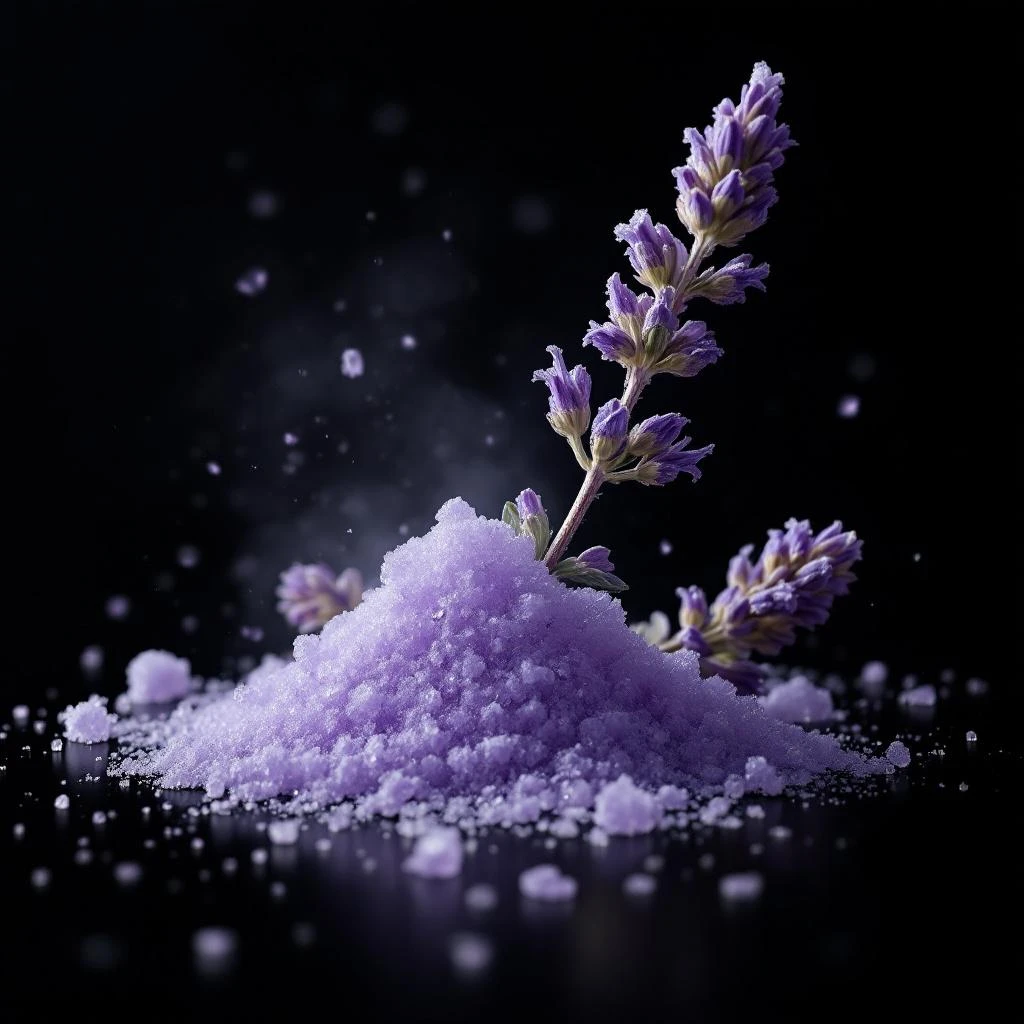
Lavender sugar transforms the herb's clean, camphoraceous elegance into a sweet, crystalline form. This gourmand-leaning ingredient bridges aromatic herbs and confectionery, bringing the soothing essence of Provençal fields into soft, edible warmth.
Heritage
Lavender's association with sweetness traces back to ancient Mediterranean civilizations. Egyptians used it in mummification and perfumes as early as 2,500 years ago, while Greeks and Romans discovered that combining lavender with oils and honey created aromatic blends for baths and temples. By the eighteenth century, the South of France built its central economic function around lavender farming, and the distinguished perfume industry of Grasse emerged from these lavender-rich hills. Perfumers in this region experimented extensively with how lavender interacted with other aromatic materials, including sweetening agents. The modern concept of 'lavender sugar' as a specialized perfumery ingredient emerged from this heritage, combining Provençal perfumery traditions with local confectionery arts. Today, it represents a bridge between historical herbal medicine, perfumery, and gastronomy that defines lavender's enduring cultural significance across civilizations.
At a Glance
1
Feature this note
France
Primary source region
Ingredient Details
Infusion and CO2 extraction
Flower spikes
Did You Know
"Ancient Romans named lavender from 'lavare', meaning 'to wash' - perfumers have been sweetening baths with it for over 2,000 years."