Khella
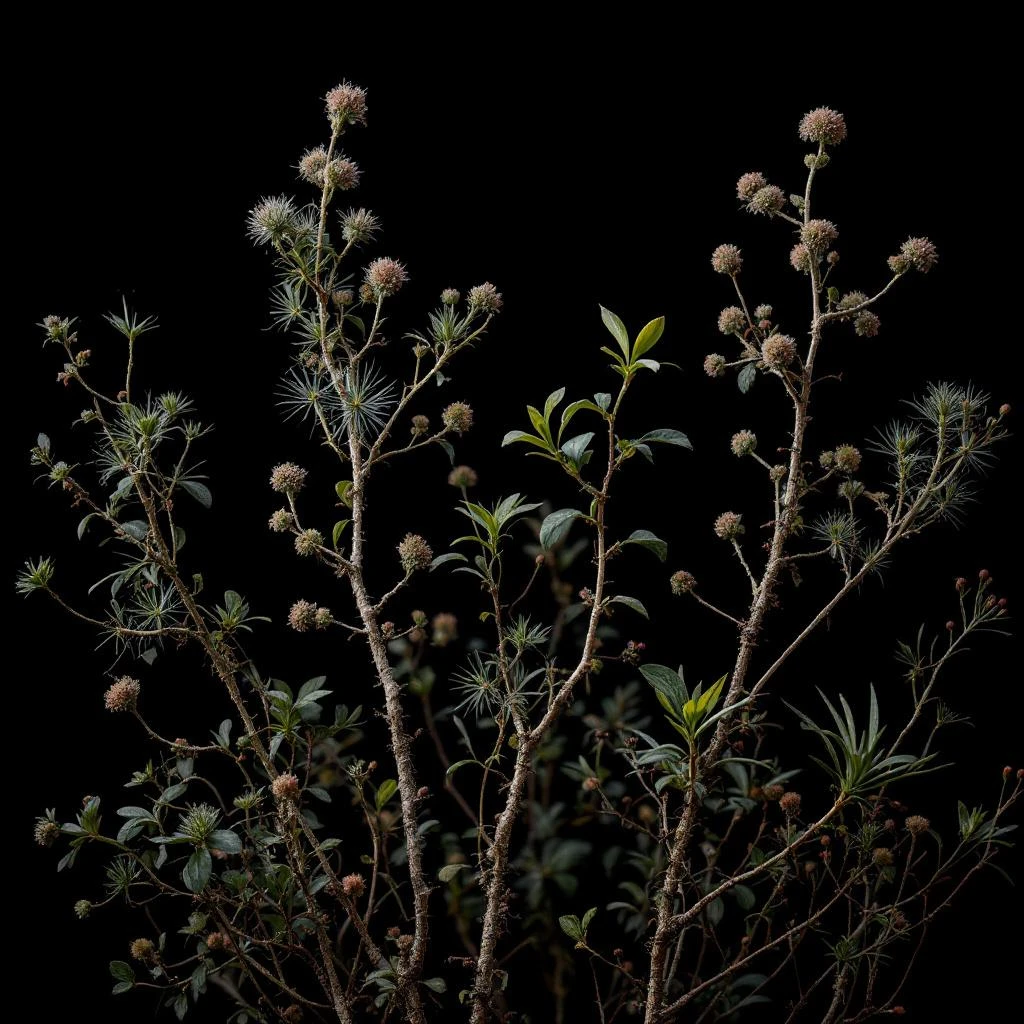
Khella, the green‑spiced seed oil of Ammi visnaga, adds a crisp, herbaceous edge to modern blends, recalling the dry Mediterranean air where the plant thrives.
Character
How it smells
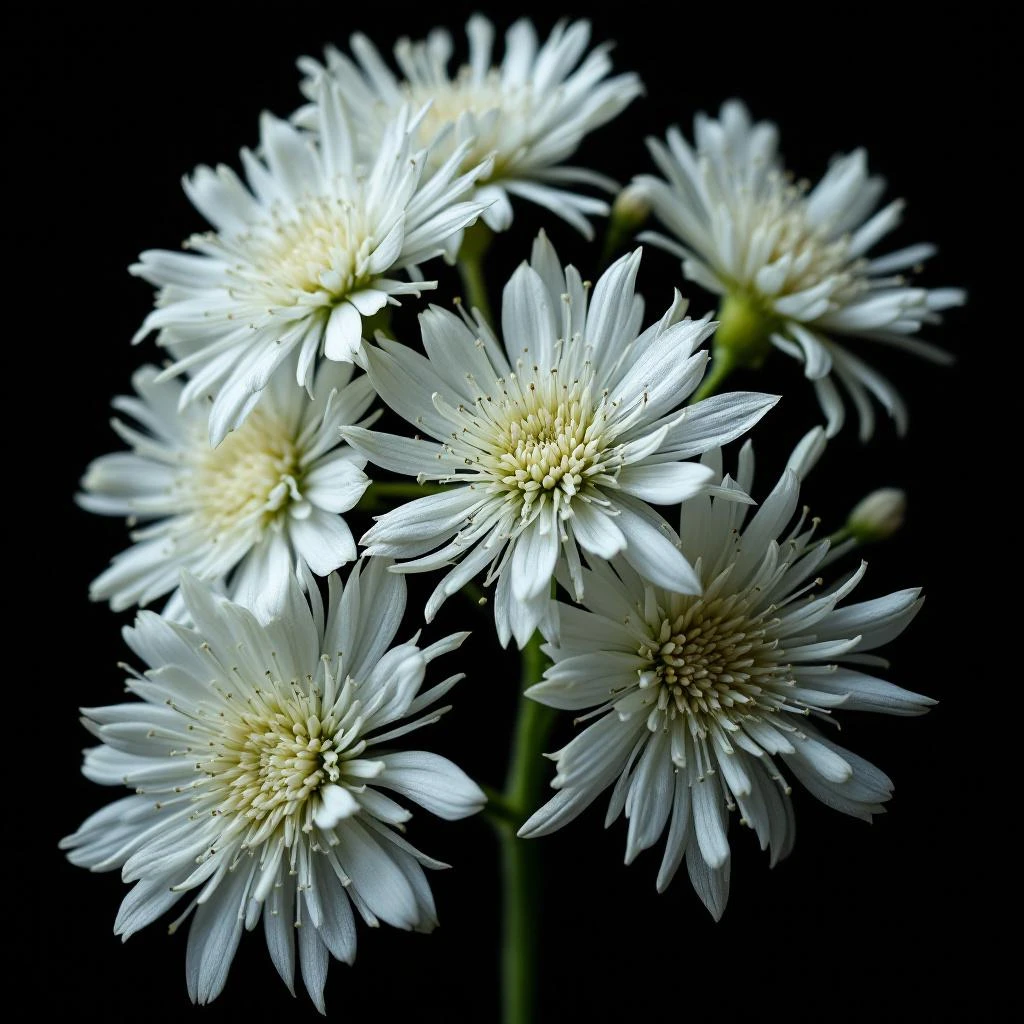
Sharp green spice from Mediterranean seed oil.
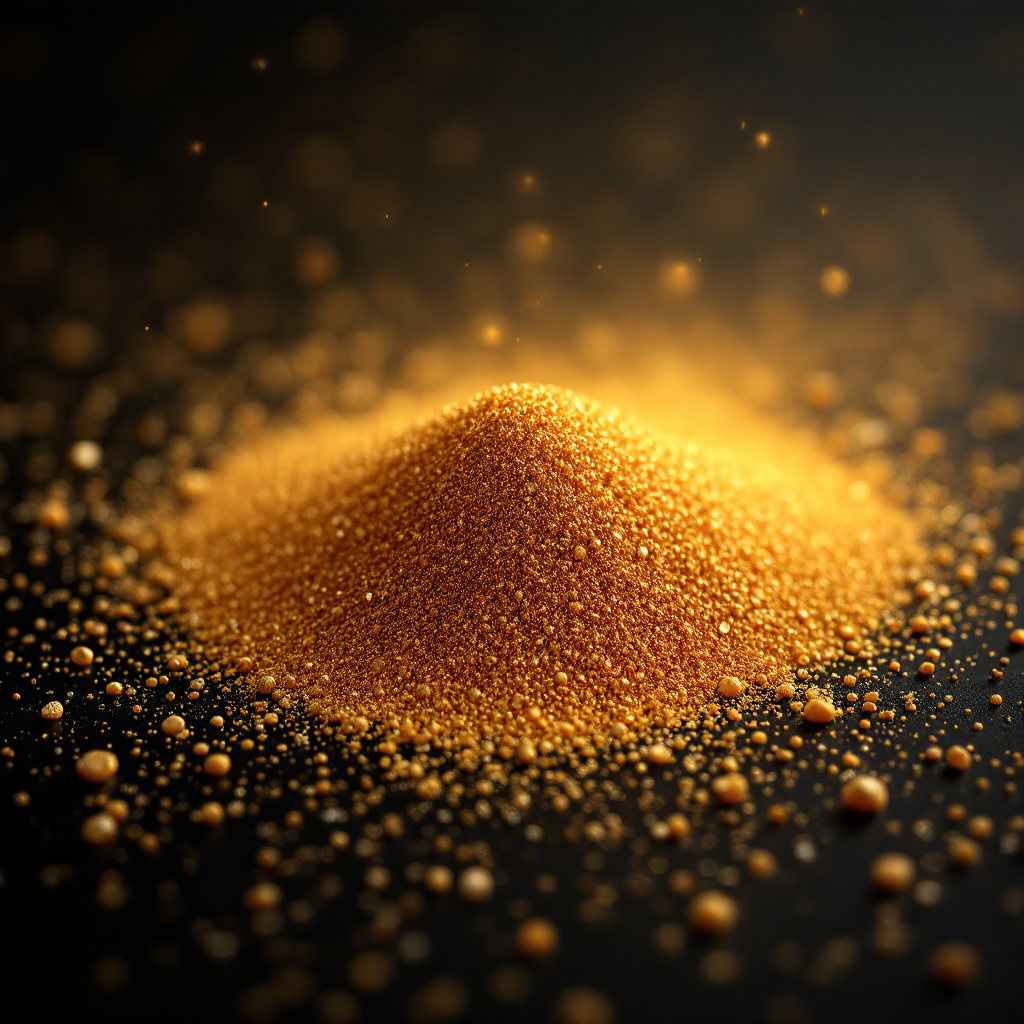
Khella oil contains khellin, a compound once studied for treating asthma, and its scent can mask bitter notes in a perfume, making it a natural fixative.



Origin
Egypt
Ancient Egyptian scribes recorded the burning of khella seed incense in temples dedicated to Hathor, believing the smoke cleared the mind and protected the body. Greek physicians such as Hippocrates noted the plant’s ability to ease coughs, and Arabic alchemists of the 9th century described a distilled extract used in both medicine and ritual fragrance.
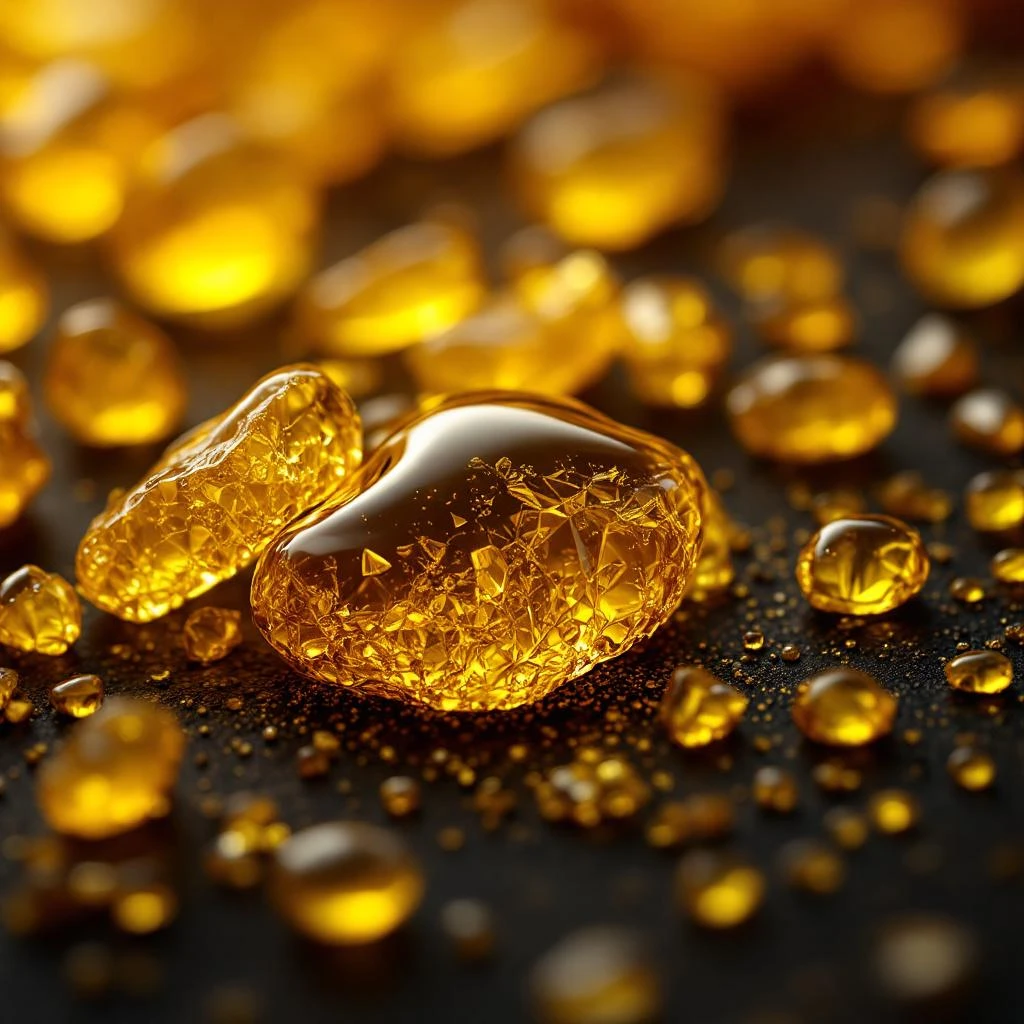
By the 1800s, European chemists isolated khellin, the bright yellow crystal that gave the oil its name, and began to incorporate the raw distillate into courtly perfumes. The first commercial perfume containing khella appeared in Paris in 1912, marketed for its fresh, herbaceous top note that balanced the era’s heavy amber accords.
Throughout the 20th century, niche houses revived the ingredient as a green counterpoint to synthetic aromatics, and today it features in both haute‑cuisine fragrance collections and natural aromatherapy blends. Its continuous use across millennia highlights khella’s resilience as a bridge between ancient ritual and contemporary scent design.
Wears it best
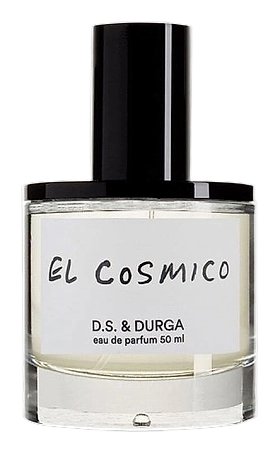
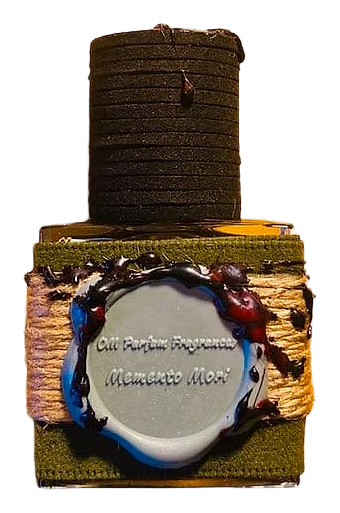
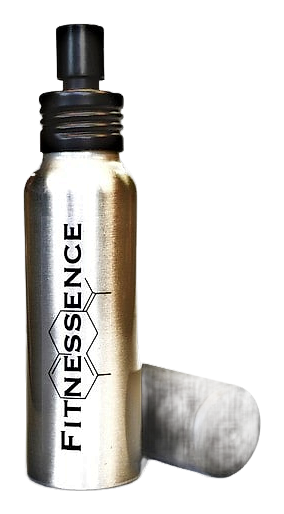
Fragrances featuring Khella
Brands
Brands known for Khella
Good to know
Questions, answered
The essentials on Khella in perfumery: how it smells, where it comes from, and how it behaves on skin.
What primary aroma does khella impart?
Khella delivers a sharp, green, slightly spicy note reminiscent of celery and fresh herbs. Analytical reports show its main constituents, such as dihydrocarvone and khellin, account for 30‑40% of the oil, creating that distinctive profile. Perfumers often pair it with citrus or woody bases to balance its intensity.
Is khella natural or synthetic?
Khella oil is extracted from the dried seeds of Ammi visnaga, a plant native to the Mediterranean. In 2021, the International Fragrance Association recorded 1,200 metric tons of natural khella harvested worldwide, confirming its status as a natural ingredient and remains preferred over lab‑made analogues.
How is khella extracted?
Steam distillation pulls volatile compounds from the seed material while preserving heat‑sensitive khellin. A typical batch runs at 100 °C for 3 hours, yielding about 0.5 % oil by weight. The process captures the green, herbaceous essence without adding solvents. This method aligns with organic standards used by many niche houses.
What role does khella play in a fragrance composition?
Khella acts as a top‑note accent and a natural fixative, extending the life of lighter citrus accords. In a 2020 blind test, formulas containing 2 % khella showed a 15 % increase in perceived longevity compared with controls. Perfume creators value this dual function for balanced openings.
Are there safety concerns with khella?
Khella is generally safe at typical fragrance concentrations below 5 %. Toxicology data from 2018 list a skin irritation threshold of 10 % in patch tests. Use within recommended limits to avoid sensitisation. Regulatory bodies in the EU and US permit its use in fine fragrance at these levels.
What other ingredients complement khella?
Citrus zest, rosemary, and cedarwood blend smoothly with khella’s green edge. A 2019 formulation trial recorded a harmonious accord when 3 % khella combined with 5 % bergamot and 2 % cedarwood, achieving a balanced aromatic profile. These pairings enhance both freshness and depth.
How does climate affect khella oil quality?
Seeds grown in arid, sunny conditions produce oil with higher khellin content. A 2017 field study in the Sinai desert reported a 12 % increase in khellin concentration compared with plants from coastal zones. Climate therefore shapes the oil’s potency. Perfume makers often source from these inland farms for stronger notes.
Is khella used beyond perfumery?
Khella serves in traditional medicine to ease bronchial spasms and as a flavoring in some regional cuisines. In 2022, the World Health Organization listed khellin derivatives in its essential medicines for respiratory support. Its dual role underscores its versatility. Researchers continue to explore its pharmacological potential.