
Character
The Story of Kashmiri musk
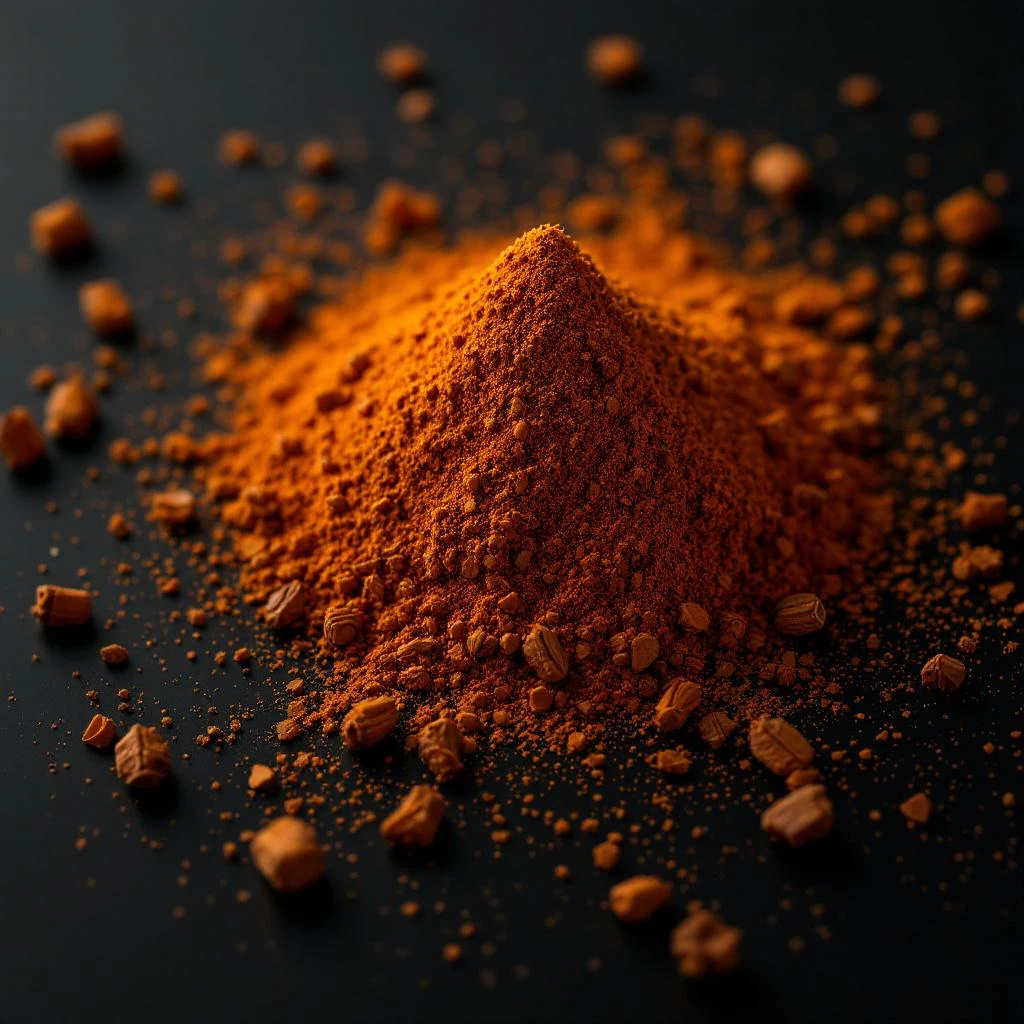
Kashmiri musk offers a deep, animalic warmth that anchors modern blends, echoing the historic scent of the Himalayan valleys while meeting today’s ethical standards.
Heritage
Kashmiri musk entered recorded history through the ancient trade routes of the Sumerian civilization, where merchants described a prized, animal‑derived fragrance from the Himalayan foothills. By the 12th century, Kashmiri traders supplied the scent to Persian courts, where it symbolized wealth and spiritual purity. The 1800s saw European perfumers import the raw gland, extracting a thick amber oil that defined many classic colognes. Ethical concerns grew as hunters killed thousands of musk deer to meet demand, prompting early conservation laws in British India by 1910. The breakthrough came in 1888 when German chemist Albert Baur accidentally created the first synthetic musk, offering a legal alternative. Over the next century, synthetic musks replaced natural extracts, but the name Kashmiri musk persisted as a tribute to its geographic origin and the enduring allure of its warm, animalic character.
At a Glance
7
Feature this note
India
Primary source region
Ingredient Details
Synthetic
Musk gland (historical)
Did You Know
"The original musk harvested from male musk deer in Kashmir could yield only a few grams per animal, yet a single ounce once priced higher than gold in the 19th‑century trade markets."