Juniper berry CO2
Juniper Berry CO2 is a premium aromatic extract prized for its fresh, piney, and subtly sweet character. Captured through supercritical fluid extraction, this CO2 select preserves the full aromatic spectrum of the berry, delivering a radiant, green-woody scent that anchors fragrances with a crisp, natural vitality.
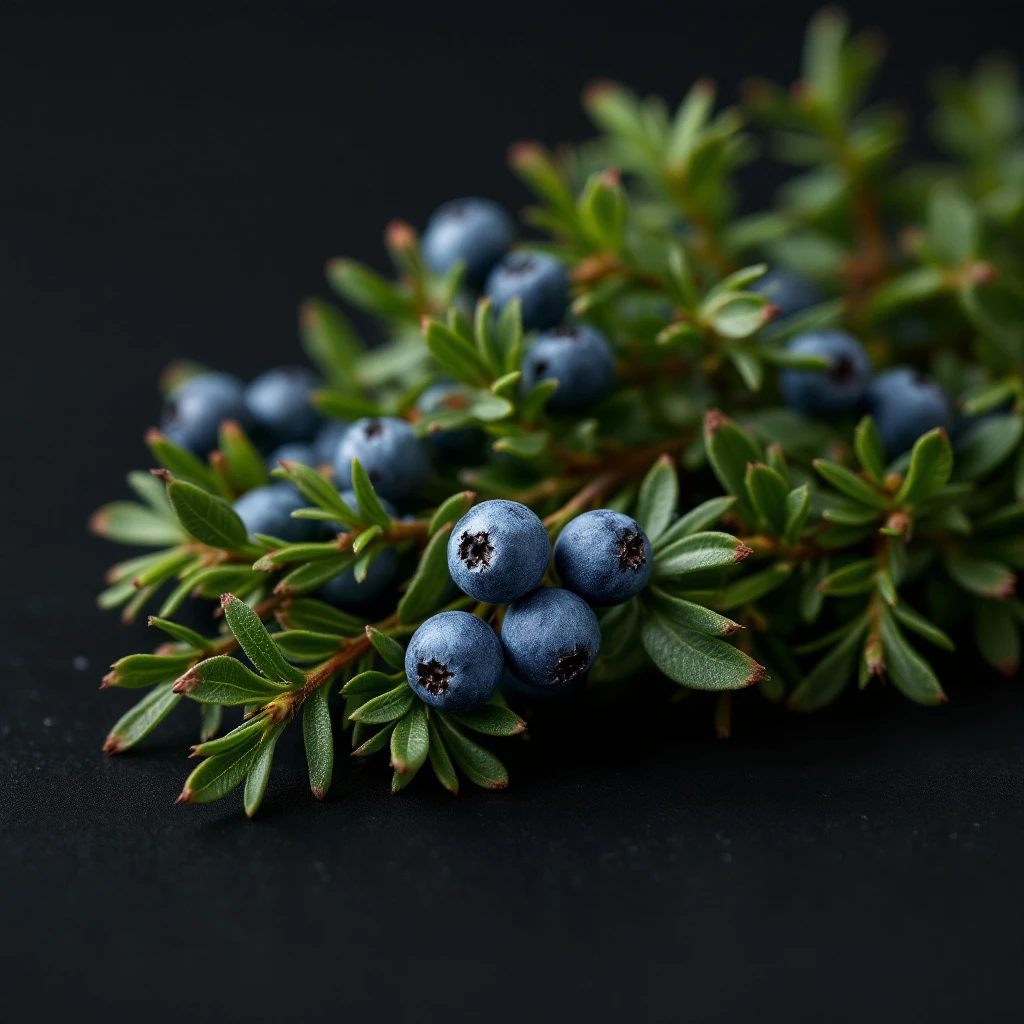
Character
How it smells
Crisp conifer brightness, trapped in a berry.
Juniper berries take up to three years to fully ripen, often bearing three different shades of blue-green on the same plant simultaneously.






Origin
North Macedonia
Juniper has served human needs since antiquity. Ancient Egyptians used juniper oil in embalming practices, while Greek and Roman physicians including Dioscorides documented its medicinal uses. The Romans burned juniper wood as incense and chewed the berries to increase stamina during long marches.
Throughout the Middle Ages, juniper berries were a staple in European folk medicine, believed to purify the air and protect against plague. The ingredient's perfumery renaissance arrived alongside gin. In 17th-century Holland, physician Franciscus de la Boë blended juniper berry essence with grain spirit, creating the spirit that would become London dry gin.
Only in recent decades have perfumers revisited juniper as a primary fragrance material rather than a flavoring agent, recognizing its extraordinary capacity to convey freshness, clarity, and a natural green conifer character that reads as both sophisticated and approachable.
Wears it best
Fragrances featuring Juniper berry CO2
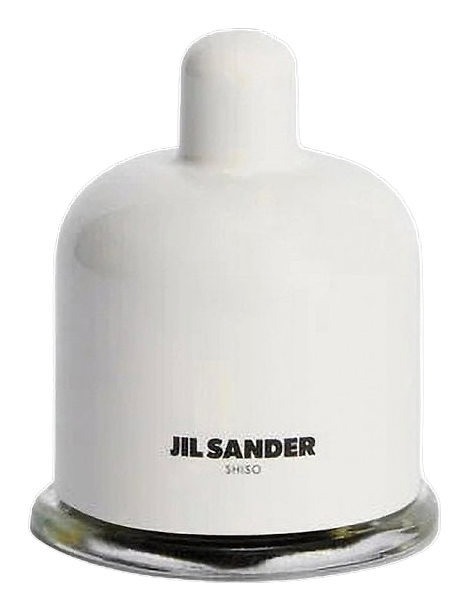

Brands
Brands known for Juniper berry CO2
Good to know
Questions, answered
The essentials on Juniper berry CO2 in perfumery: how it smells, where it comes from, and how it behaves on skin.
What is CO2 extraction and how does it differ from steam distillation?
CO2 extraction uses supercritical carbon dioxide as a solvent, operating at relatively low temperatures. Steam distillation relies on boiling water and high heat. The CO2 process preserves a broader range of aromatic molecules, including more volatile and polar compounds that heat can degrade, resulting in a richer, more complete fragrance material.
What does Juniper Berry CO2 smell like?
Juniper Berry CO2 presents a radiant, fresh aroma with dominant conifer and pine notes. It carries woody-fruity character with鲜明的绿色undertones and subtle sweetness. The scent is notably cleaner and more complete than steam-distilled juniper oil, with a natural brightness that feels like crushed fresh berries.
Why is juniper so strongly associated with gin?
Juniper is the defining botanical in gin. Dutch physician Franciscus de la Boë created genever in the 1600s by macerating juniper berries and other botanicals in spirit. British gin makers later refined this into London dry gin, establishing juniper as the spirit's unmistakable signature note.
What fragrance families use Juniper Berry CO2?
Juniper Berry CO2 works in aromatic fougères, citrus colognes, woody masculines, and chypres. It pairs naturally with cedar, sandalwood, bergamot, lavender, and vetiver. Perfumers value it for adding natural freshness and green conifer accents without heaviness.
What is the primary chemical constituent of juniper berry oil?
Alpha-pinene typically dominates juniper berry chemistry, comprising 30-60% of most extracts. Secondary constituents include limonene, myrcene, sabinene, and beta-pinene. The CO2 extract tends to preserve a higher proportion of these monoterpenes compared to steam-distilled oil.
How is juniper berry harvested for fragrance production?
The fleshy seed cones are hand-harvested from wild Juniperus communis shrubs in late summer through autumn. Berries must reach full ripeness, which takes two to three years. The slow ripening cycle explains why a single plant often carries berries in multiple stages of maturity simultaneously.
Is juniper a sustainable fragrance ingredient?
Juniperus communis grows widely across the Northern Hemisphere, reducing pressure on any single region. However, wild-harvesting practices in some areas warrant monitoring. Sourcing from suppliers with transparent wildcrafting protocols and organic certification helps ensure responsible supply chains.
What is the shelf life and storage recommendation for this material?
Store Juniper Berry CO2 in a tightly sealed container, away from heat and light, ideally refrigerated. The high monoterpene content makes it prone to oxidation over time. Refrigerated storage extends viability to two years or more while preserving its bright, fresh aromatic character.