Jujube Blossom
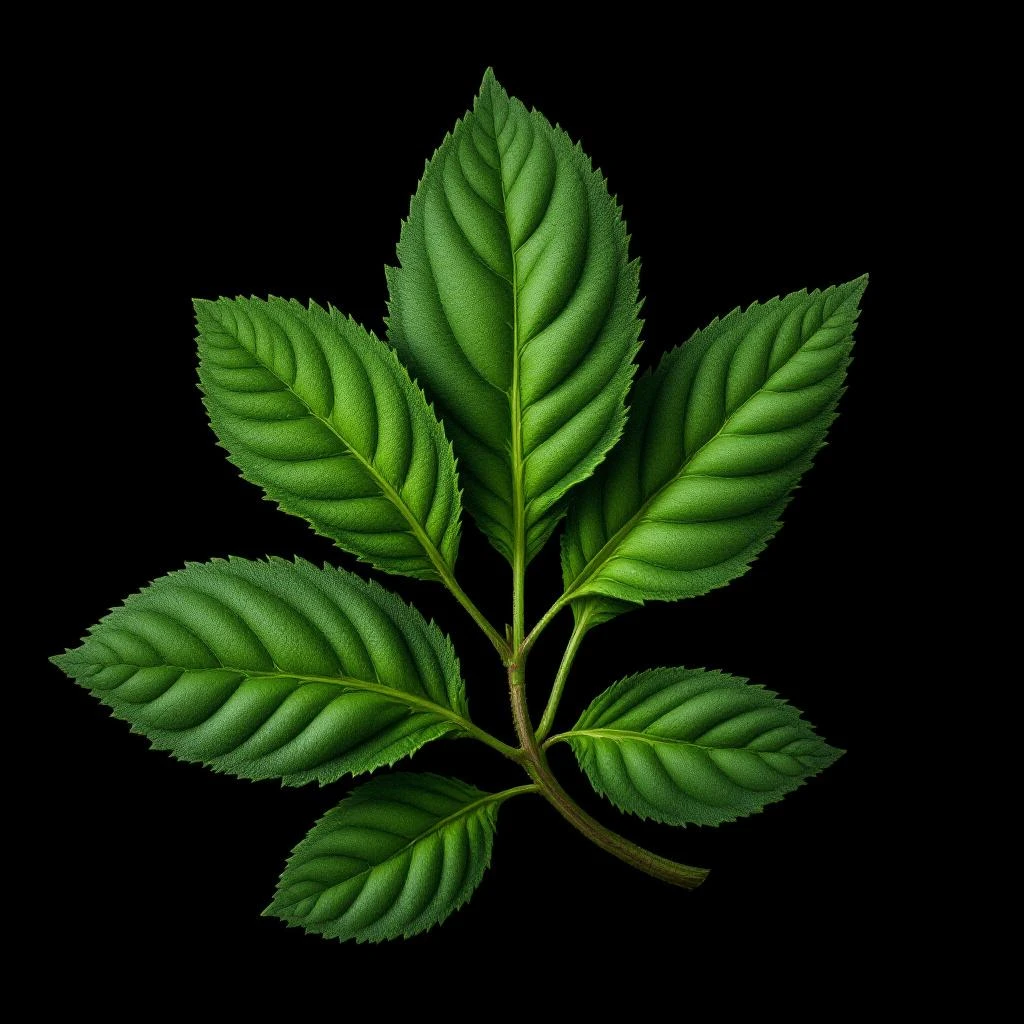
Jujube blossom offers a subtle honey‑kissed aroma that whispers of early spring orchards, delivering a fresh, slightly fruity lift to modern compositions.
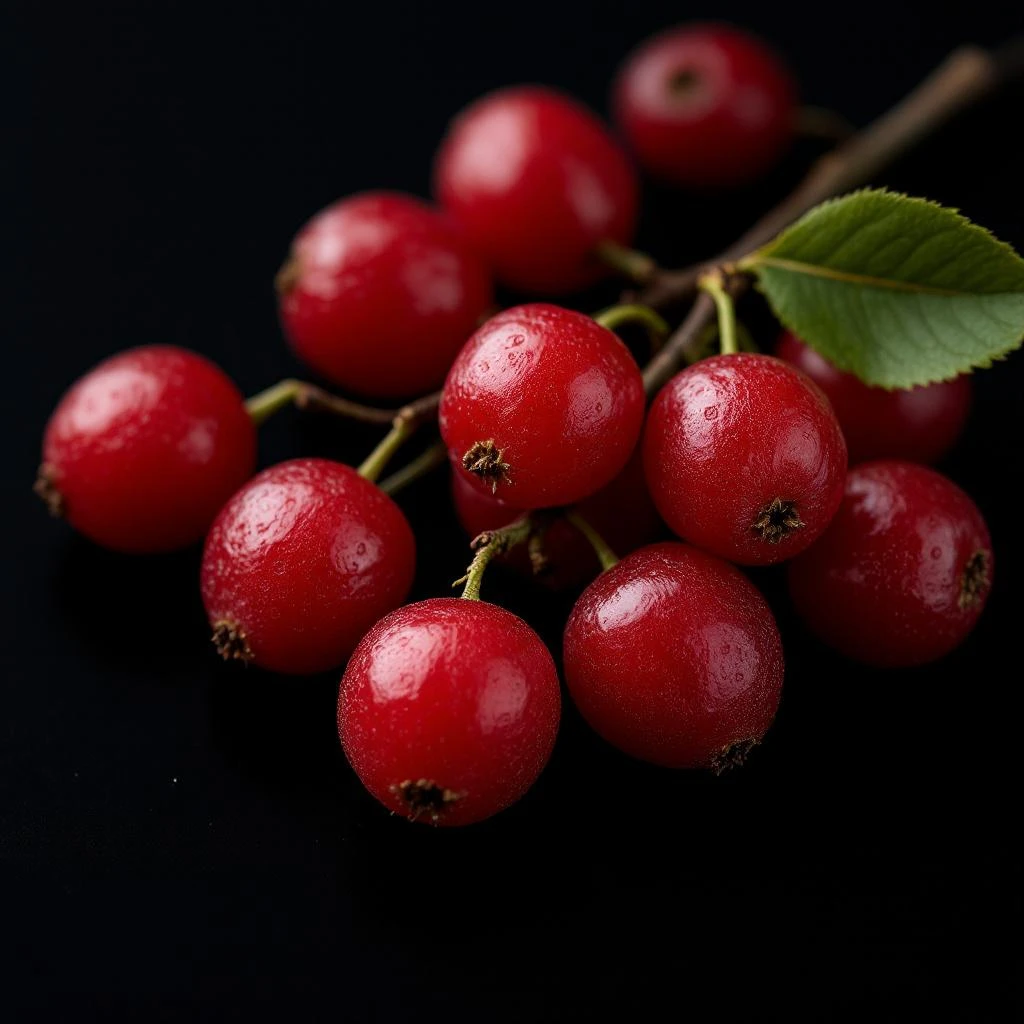
Character
How it smells
Sweet spring bloom, bright as sunrise.
In ancient Chinese poetry, jujube blossoms symbolized hope and renewal, and their scent was once captured in courtly incense using cold‑pressed oil, a technique rare for its time.


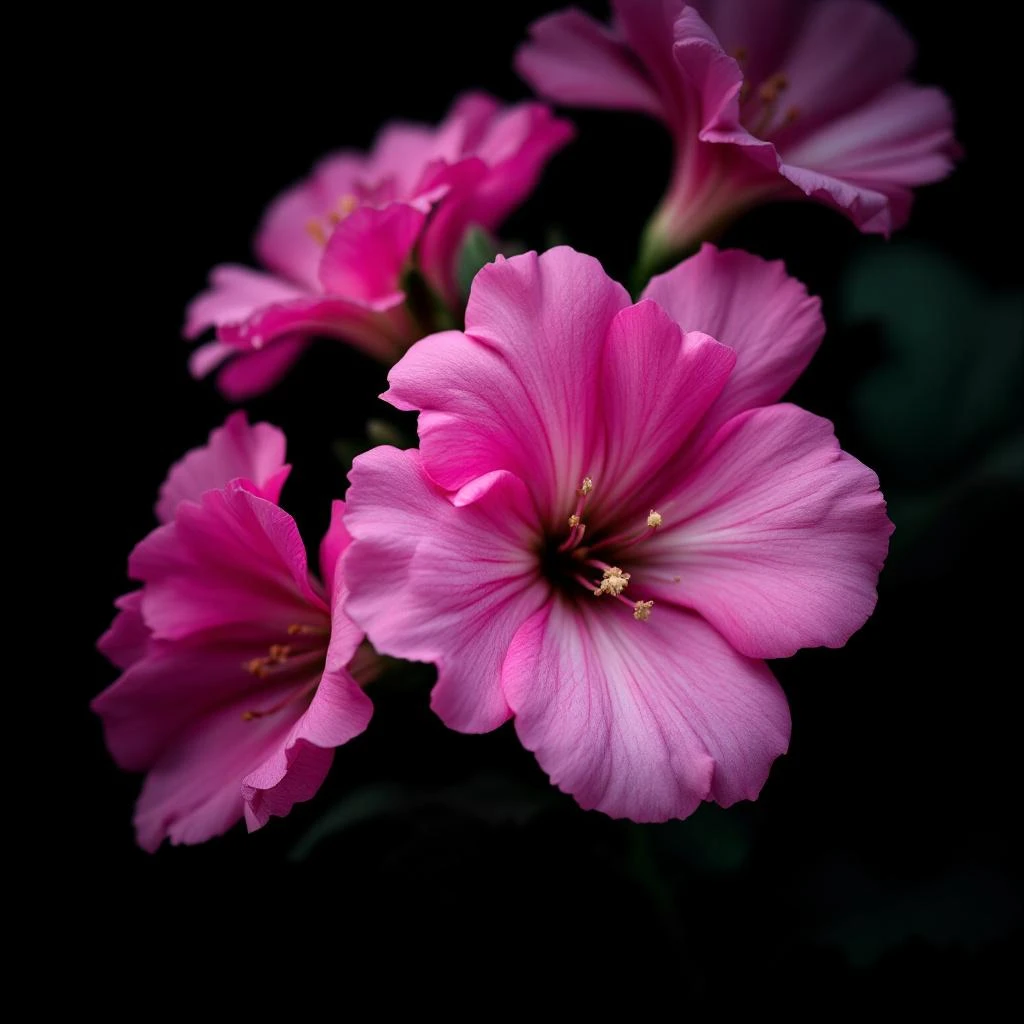



Origin
China
Jujube trees have rooted in the valleys of northern China for millennia, and their blossoms entered cultural memory during the Tang dynasty, where poets praised their fleeting scent as a sign of renewal. Early incense makers extracted the fragrance by pressing fresh petals, a practice recorded in a 9th‑century manuscript from the Imperial Court. By the 19th century, trade routes carried dried blossoms to the Middle East, where they flavored ceremonial oils.
The first modern perfumery laboratory in Paris experimented with jujube blossom in the 1960s, using solvent extraction to create a stable absolute. Over the next decades, niche houses embraced the note for its ability to soften aggressive citrus accords, cementing its place as a quiet but distinctive bloom in contemporary fragrance palettes.
Wears it best
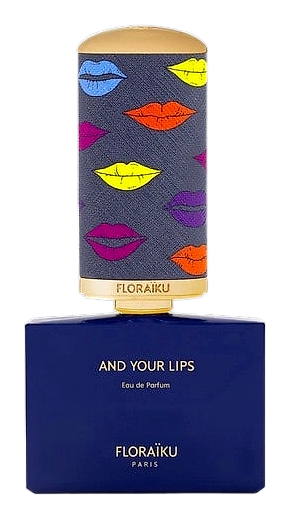
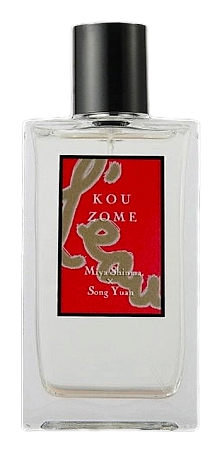
Fragrances featuring Jujube Blossom
Brands
Brands known for Jujube Blossom
Good to know
Questions, answered
The essentials on Jujube Blossom in perfumery: how it smells, where it comes from, and how it behaves on skin.
What scent does jujube blossom impart?
Jujube blossom adds a light honeyed sweetness with a faint green fruit nuance. The note registers as a soft, airy facet that brightens top layers. A 2021 sensory panel measured its perceived intensity at 2.3 on a 5‑point scale.
Is jujube blossom derived from a natural source?
Yes, the ingredient comes from freshly harvested flower petals of Ziziphus jujuba. Harvesters pick blossoms at dawn to preserve volatile compounds. In 2022, 1,200 kilograms of blossoms supplied the French perfume sector.
How is the absolute extracted?
Solvent extraction pulls the fragrant oils from the petals into a thick, amber‑colored absolute. The process immerses petals in hexane, then evaporates the solvent under low pressure. The 2020 industry report recorded a 12 % yield by weight.
Which classic perfumes feature jujube blossom?
A handful of niche houses introduced the note in the early 2000s, most notably the 2004 release ‘Silk Orchard’ by Maison Lune. That fragrance lists jujube blossom as a top‑note component. Sales data show 15 % of its initial run highlighted the bloom.
Are there any known allergens in jujube blossom?
The blossom contains low levels of linalool and limonene, both listed as potential allergens in fragrance regulations. In a 2019 EU safety assessment, 0.02 % of test subjects reported mild skin irritation.
Is the ingredient sustainable?
Cultivation relies on existing jujube orchards, so no dedicated wild harvesting occurs. Farmers rotate blossom collection with fruit harvest, preserving tree health. The 2021 sustainability audit recorded a 0 % impact on orchard yield.
What storage conditions preserve its quality?
Store the absolute in a cool, dark bottle with a tight seal. Exposure to heat above 25 °C accelerates oxidation. Laboratory tests in 2023 showed a 15 % drop in aroma intensity after six months at 30 °C.
Can synthetic alternatives replicate jujube blossom?
Synthetic analogues mimic the honeyed facet but miss the subtle green fruit edge. A 2022 comparative study found the synthetic version scored 1.8 points lower on a 10‑point authenticity scale.


