Jelly bean
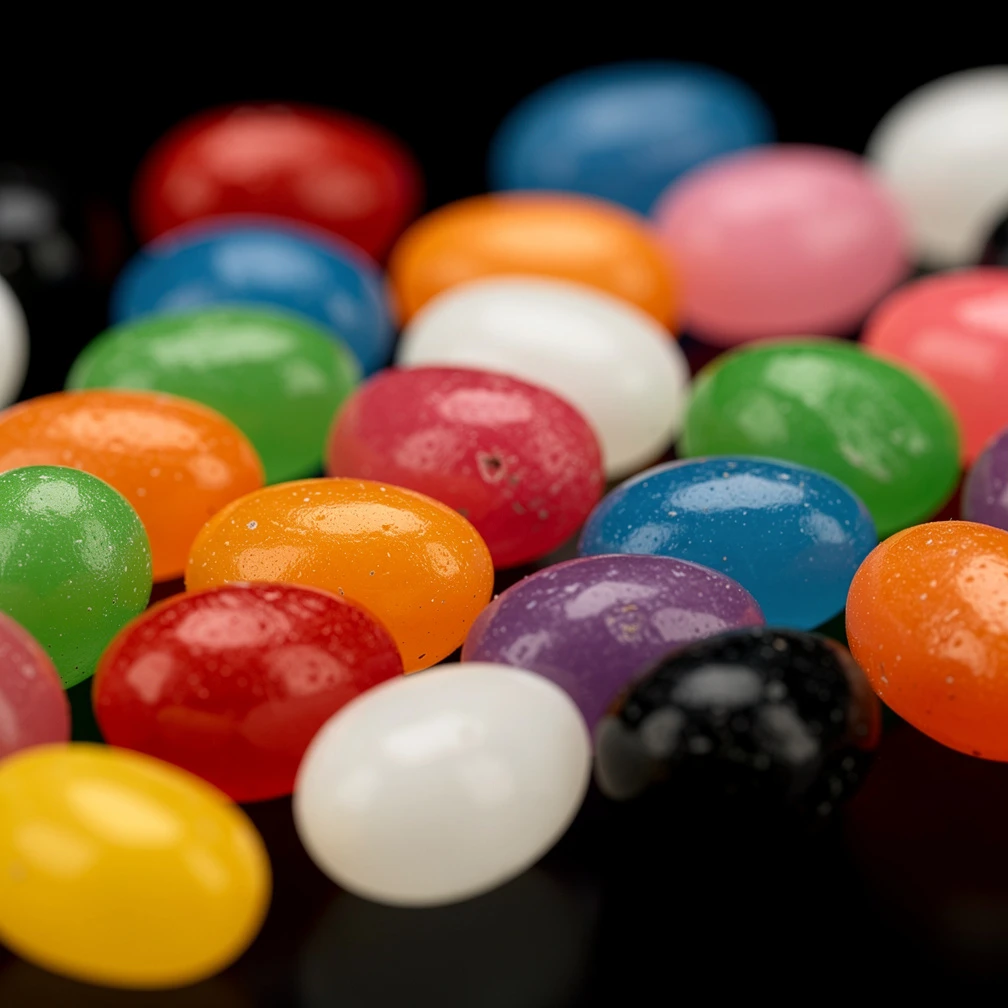
Jelly bean is a gourmand fragrance accord that evokes the iconic confection: a waxy shell enclosing sweet, fruity, and sugary notes. Perfumers build this note from multiple aromatic materials to capture the candy's distinctive textural contrast between crisp exterior and soft center.
Character
How it smells
Sweet fruit and waxy sweetness in a bite-sized scent.
Jelly beans contain around 35 calories per handful, yet no single natural ingredient produces their characteristic waxy-fruity scent, so perfumers must construct the illusion entirely from aromatic materials.







Origin
France
The jelly bean candy emerged commercially in the United States during the late 19th century, though its precise origins remain unclear. By the mid-20th century, the candy had become associated with the Easter holiday, cementing its place in American cultural tradition. Perfumers began exploring gourmand accords inspired by confectionery around the 1980s and 1990s, when sweet food-inspired fragrances gained mainstream popularity.
The jelly bean note represents a specific subset of this movement, capturing a textural complexity that distinguishes it from simpler sweet accords. Today, it appears in playful designer fragrances and niche releases that aim for nostalgic, whimsical character.
Wears it best
Fragrances featuring Jelly bean

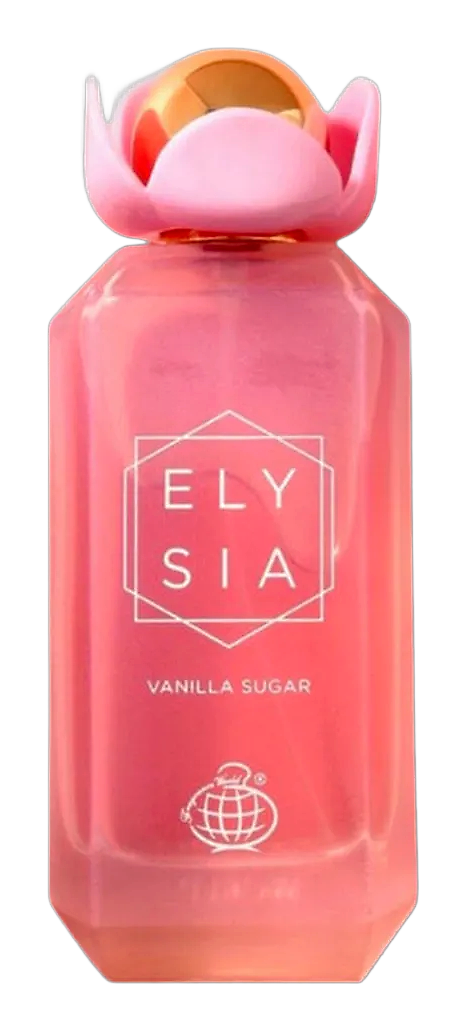
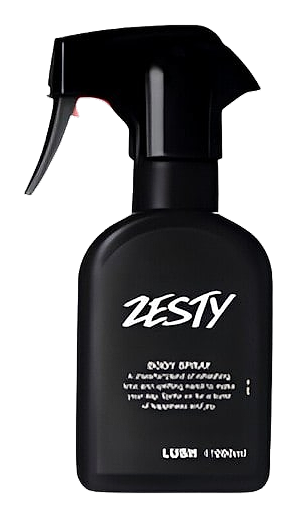
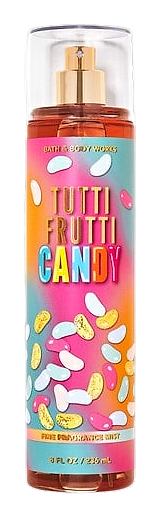
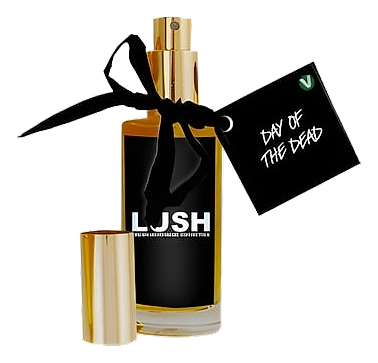
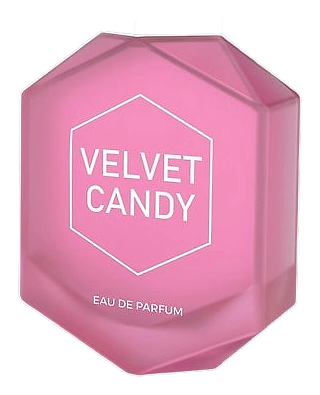
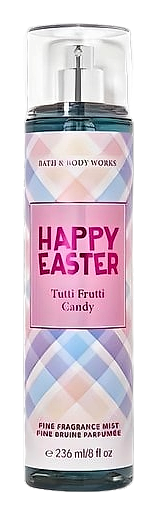
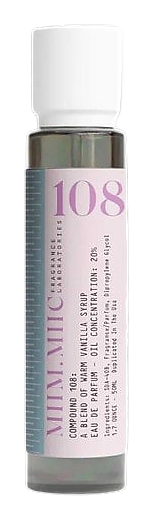
Brands
Brands known for Jelly bean
Good to know
Questions, answered
The essentials on Jelly bean in perfumery: how it smells, where it comes from, and how it behaves on skin.
What does Jelly bean smell like in perfume?
Jelly bean smells like the candy: sweet fruit notes wrapped in a slightly waxy, sugary coating. The scent captures the contrast between a crisp outer shell and a soft, syrupy interior, combining fruit esters with smooth, confectionery warmth.
Why is Jelly bean used in perfumery?
Perfumers use jelly bean accords to add playful, nostalgic gourmand character to fragrances. The note brings sweetness without heaviness and textural interest that many other sweet ingredients lack, making it useful for youthful, whimsical fragrance compositions.
Is Jelly bean in perfume natural or synthetic?
Jelly bean exists as a constructed accord rather than a single natural ingredient. Perfumers build it from a blend of natural and synthetic aromatic materials, including fruit esters, vanilla derivatives, and aldehydic compounds that replicate the candy's waxy quality.
What famous perfumes contain Jelly bean?
Several playful designer fragrances feature jelly bean or similar confectionery accords. Juicy Couture's lineup and various limited-edition flankers have explored sweet candy-inspired themes. Niche houses like Guerlain have also released playful variations that reference sweet treats.
Is Jelly bean a top note, heart note, or base note?
Jelly bean functions primarily as a heart or heart-base note in fragrance compositions. The fruity sweetness emerges in the mid-development of a fragrance, while the waxy elements provide some staying power in the dry-down alongside the sugary warmth.
What notes pair well with Jelly bean in perfume?
Jelly bean pairs well with complementary gourmand notes like vanilla, caramel, and cotton candy. It also works with fresh contrasts such as citrus, green apple, or ozonic notes. Musk provides a clean base that extends the sweetness without overwhelming the composition.
Where does Jelly bean come from?
Jelly bean originated as a candy in the United States during the 1800s, though its precise invention date remains unknown. As a perfumery accord, it represents a modern French fragrance construction technique, assembled in Grasse and other perfumery centers to evoke the American confection.
Is Jelly bean used in men's or women's fragrances?
Jelly bean appears predominantly in women's and unisex fragrances, typically within playful or youthful designer lines. The sweet, colorful character aligns with fragrances positioned toward younger demographics or those seeking nostalgic gourmand experiences regardless of gender.