Jelly
Jelly in perfumery refers to aromatic materials with a soft, gelatinous consistency, typically derived from certain fruit extracts, seed mucilages, or resinous plant saps. These materials contribute a unique, viscous texture to fragrance compositions, adding body and depth to heart notes and creating distinctive sensory experiences.
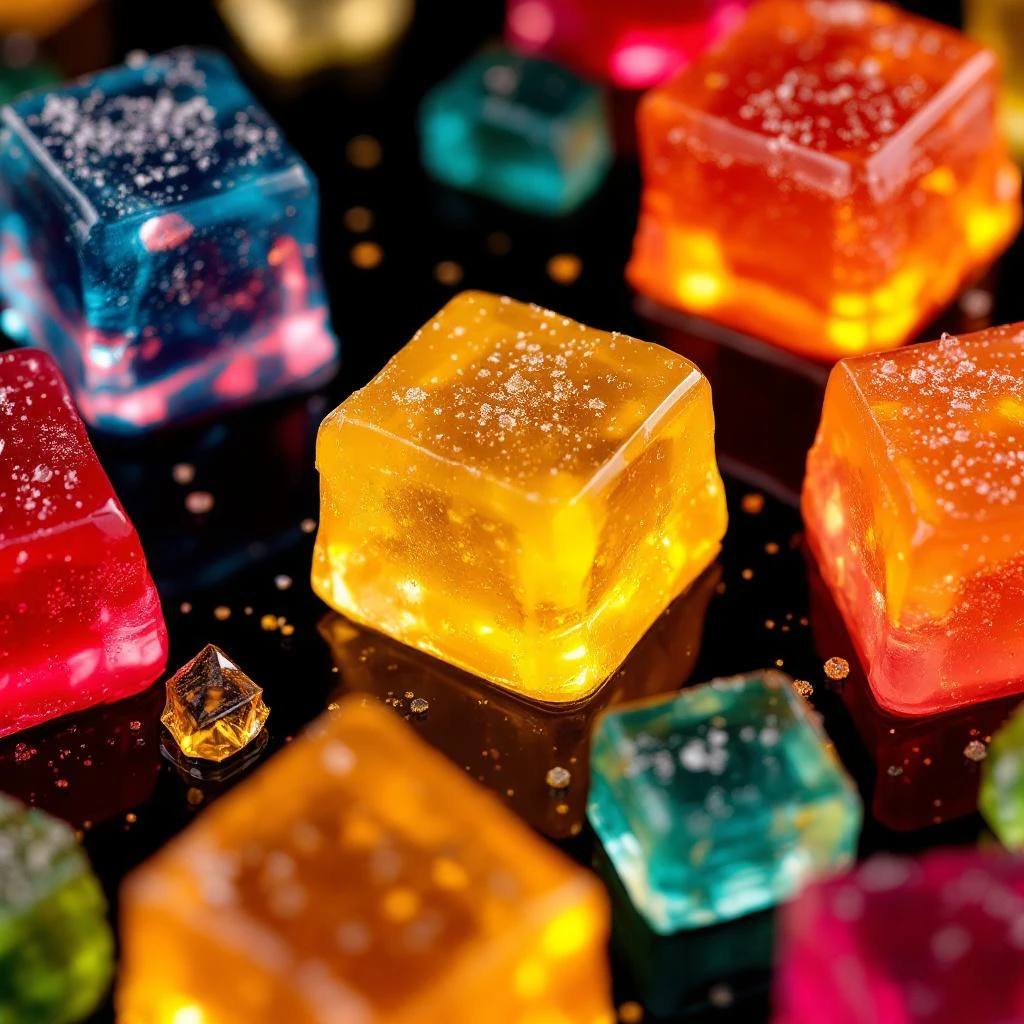
Character
How it smells
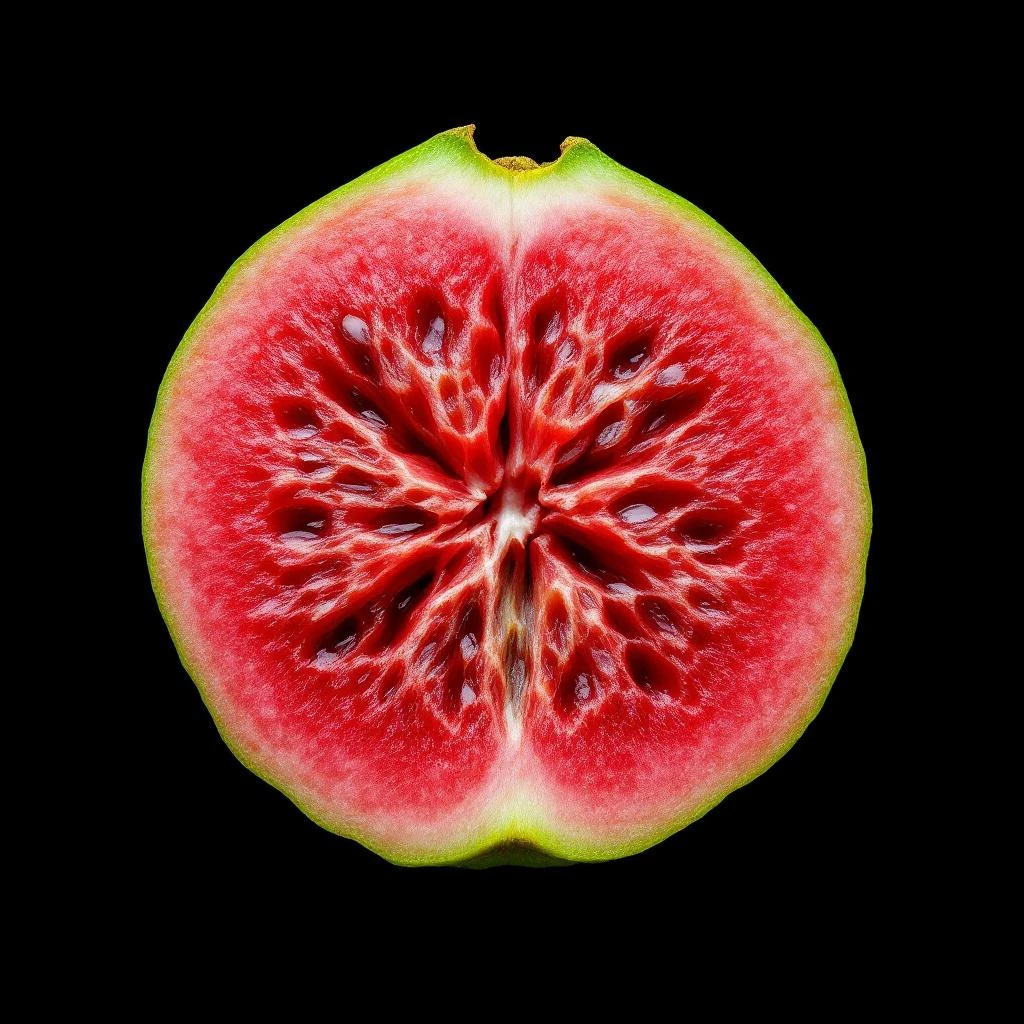
Velvety botanical essence with a soft, luminous presence
Certain desert plants store water as jelly-like mucilage to survive drought, and perfumers have harnessed this natural moisture-locking property for fragrance applications.

Origin
France
The use of jelly-like aromatic substances stretches back to ancient Mediterranean civilizations, where perfumers collected myrrh and frankincense resin as they naturally exuded from wounded trees in a semi-liquid state. These materials were prized for their long-lasting fragrance and their ability to bind other ingredients into coherent compositions.
Medieval Arabian perfumers developed techniques for incorporating fruit jellies into their attars and oil-based preparations, recognizing that the natural sugars and pectins helped retain volatile aromatic molecules. The Victorian era saw a particular fascination with jelly scents, driven by Queen Victoria's enthusiasm for aromatic preserves and fruit-based toiletries.
Contemporary perfumers have rediscovered these traditional materials, incorporating modern jelly extracts into fine fragrances to add textural complexity that synthetic alternatives cannot replicate. Today, specialized botanical suppliers in France and Grasse offer artisanal jelly extracts from heritage plant varieties, maintaining centuries-old harvesting traditions.
Wears it best
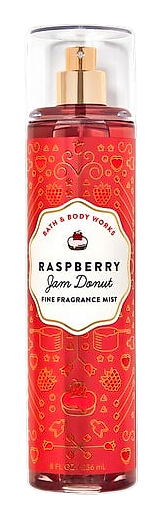
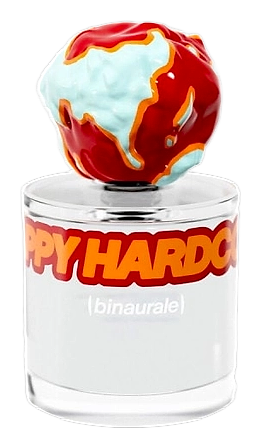
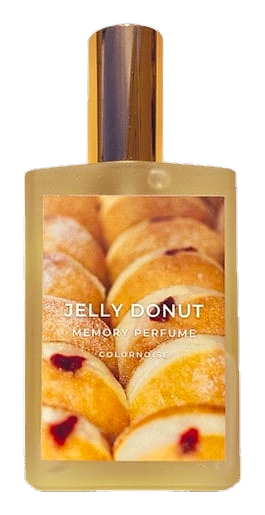
Fragrances featuring Jelly
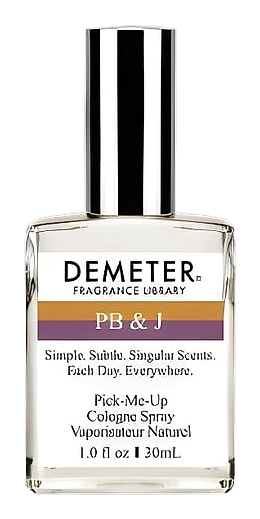
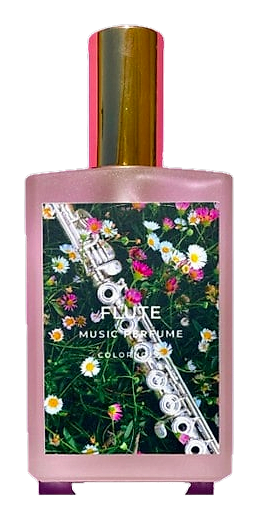

Brands
Brands known for Jelly
Good to know
Questions, answered
The essentials on Jelly in perfumery: how it smells, where it comes from, and how it behaves on skin.
What does Jelly smell like in perfume?
Jelly in perfume typically presents as a soft, slightly sweet, and aqueous impression with transparent freshness. These materials often add a gentle pliability to fragrances, creating a sensation of moisture and natural softness that distinguishes them from sharp or crisp notes.
Why is Jelly used in perfumery?
Jelly materials are valued in perfumery for their textural contribution and fixative properties. The natural pectins and sugars in these substances help stabilize volatile aromatic molecules, extending the longevity of top notes. Their unique viscous quality also adds body to fragrance compositions.
Is Jelly in perfume natural or synthetic?
Jelly notes in perfumery are predominantly natural materials sourced from botanical sources like fruit pulps and plant saps. However, modern fragrance chemistry has produced synthetic analogues that replicate the soft, transparent quality of natural jelly extracts at lower cost.
What famous perfumes contain Jelly?
Several contemporary niche fragrances feature jelly-type materials as signature components. These include artisan perfumes from Grasse-based houses that incorporate traditional fruit jelly extracts. Exact formulations remain proprietary, but the presence of jelly notes is typically noted in fragrance descriptions.
Is Jelly a top note, heart note, or base note?
Jelly materials most commonly function as heart notes in fragrance compositions. Their moderate volatility allows them to emerge after the initial burst of top notes, providing a soft, lingering body that bridges the opening and the deeper drydown phase.
What notes pair well with Jelly in perfume?
Jelly notes pair well with soft florals like lily of the valley and peony, as well as with transparent musks and gentle woody accords. The viscous quality of jelly materials harmonizes particularly well with slightly sweet oriental bases that complement their aqueous nature.
Where does Jelly come from?
Jelly fragrance materials originate primarily from Mediterranean regions where climate conditions favor the production of resinous and mucilaginous plant substances. France, Italy, and Spain host specialized botanical operations that harvest and process these materials, with traditional knowledge passed through generations of producers.
Is Jelly used in men's or women's fragrances?
Jelly notes appear in both men's and women's fragrances, though they feature more prominently in contemporary feminine compositions. The soft, transparent quality suits floral and fruity perfumes marketed to women, while some masculine fragrances incorporate jelly notes for a gentler, more nuanced drydown.