Jeans
Jeans in perfumery refers to a cotton-inspired aroma compound that evokes the clean, airy scent of freshly laundered fabric. This material captures the essence of sun-dried linens and worn denim, adding a crisp, comforting quality to fragrance compositions. It works as a bridge between fresh and warm notes.
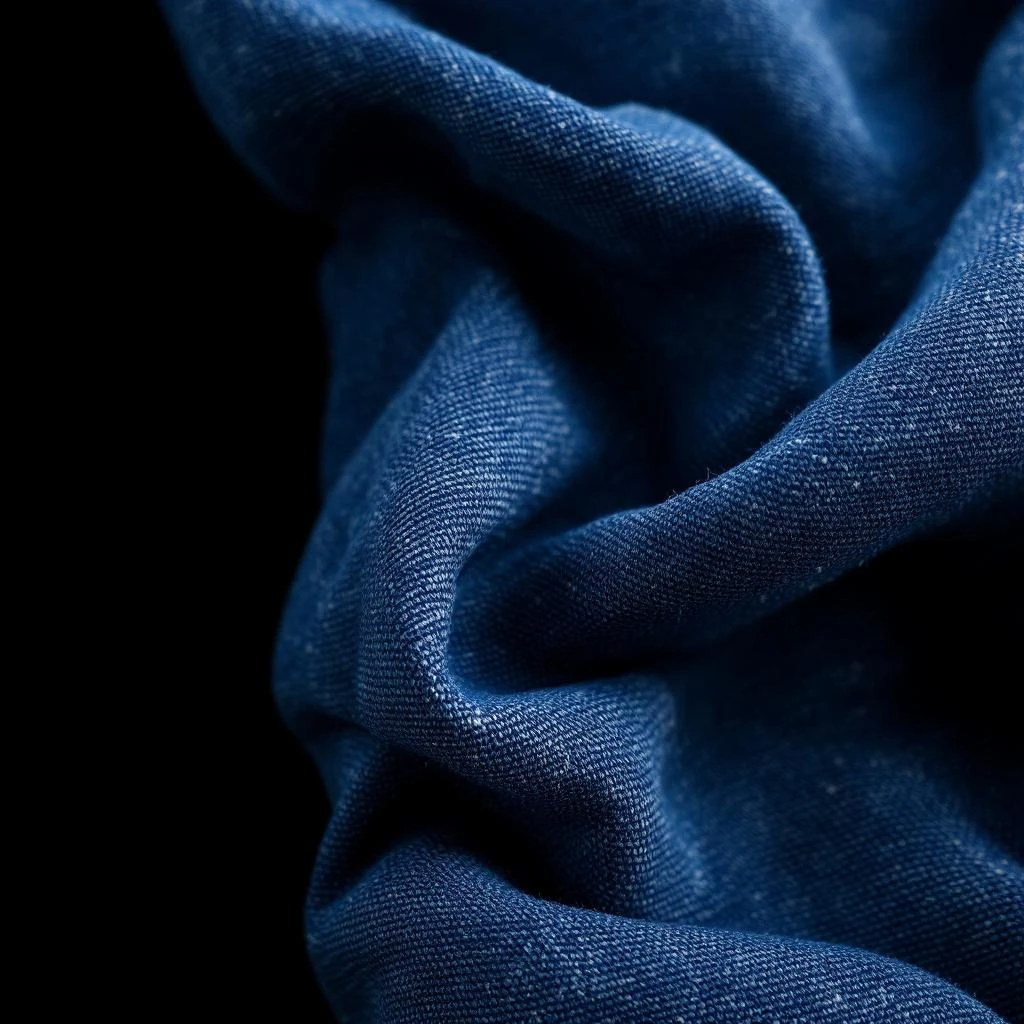
Character
How it smells
The scent of sun-bleached cotton and crisp morning air.
Cotton fields produce only about 0.6% absolute by weight through solvent extraction, making cotton-derived materials rare in perfumery.
Pairs beautifully with






Origin
India
Cotton has served humanity for approximately 7,000 years, originating in the Indus Valley and independently cultivated across Mesoamerica. Ancient textile workers likely noticed the faint, clean scent of freshly washed fabric, but cotton's olfactory contribution to perfumery remained unexplored until the 20th century.
Modern perfumery began incorporating cotton-inspired notes after aldehydic chemistry advanced in the 1920s, eventually leading to dedicated cotton fragrance compounds by the 1970s. Today, cotton and linen accords represent a significant segment of fresh fragrance development.
Wears it best
Fragrances featuring Jeans
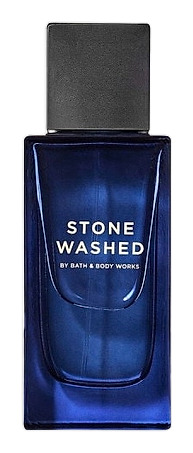
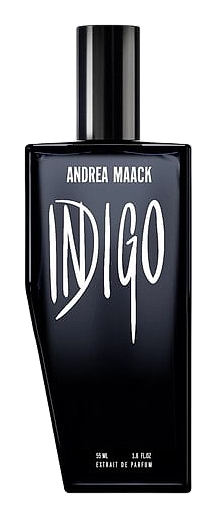
Brands
Brands known for Jeans
Good to know
Questions, answered
The essentials on Jeans in perfumery: how it smells, where it comes from, and how it behaves on skin.
What does Jeans smell like in perfume?
Jeans as a fragrance note smells like fresh, clean cotton fabric with a slightly starchy, sun-warmed quality. It combines airy aldehydic top notes with soft musk undertones to evoke freshly laundered clothing. The effect is crisp yet comforting, rarely appearing alone but adding a distinctive laundry-fresh quality to compositions.
Why is Jeans used in perfumery?
Perfumers use Jeans or cotton notes to add freshness, cleanliness, and approachability to fragrances. This note bridges masculine and feminine scents while providing a modern, everyday quality. It works particularly well in functional fragrances and clean laundry-style compositions where a recognizable fabric scent enhances the overall effect.
Is Jeans in perfume natural or synthetic?
Jeans note is typically synthetic because raw cotton fiber contains negligible aromatic compounds. Perfumers create cotton accord materials using combinations of aldehydes, musks, and aromatic chemicals that replicate the clean fabric scent. This synthetic approach ensures batch-to-batch consistency and olfactory accuracy that natural materials cannot provide.
What famous perfumes contain Jeans?
While specific formulas are proprietary, cotton and fresh linen notes appear prominently in many modern fragrances including Chanel Chance, Dolce Gabbana Light Blue, and Calvin Klein Eternity. These compositions use synthetic cotton materials to achieve their signature clean, airy character that has defined contemporary fresh fragrances since the 1990s.
Is Jeans a top note, heart note, or base note?
Jeans note functions primarily as a top to heart note in fragrance composition. Its aldehydic qualities give it immediate impact upon application, while the softer musky elements provide moderate longevity through the heart phase. The note typically dissipates within two to three hours, requiring combination with longer-lasting base materials for extended wear.
What notes pair well with Jeans in perfume?
Jeans or cotton notes pair excellently with citrus, marine ozonic accords, light florals like lily of the valley and iris, and green tea elements. For warmth, combinations with white musk, soft woods, and subtle amber create balanced compositions. These pairings enhance the clean, fresh character while adding complexity and depth.
Where does Jeans come from?
The cotton plant (Gossypium hirsutum) originated in Central America and was independently cultivated in the Indus Valley by 3,000 BCE. India remains the largest cotton producer globally, contributing approximately 23% of world production. However, modern Jeans fragrance materials are synthesized in laboratories across France, Switzerland, and the United States.
Is Jeans used in men's or women's fragrances?
Jeans note appears across gender categories in modern perfumery. Its clean, universally recognizable scent appeals broadly, appearing prominently in unisex fragrances like ck One and numerous masculine freshwaters. The note's versatility allows perfumers to adjust composition around it, making it equally effective in feminine florals and masculine aromatic fougeres.