Jasmine lactone
Jasmine lactone delivers a creamy, slightly fruity nuance that lifts jasmine’s classic bloom with a subtle hint of peach, adding depth and a lingering softness to modern compositions.

Character
How it smells
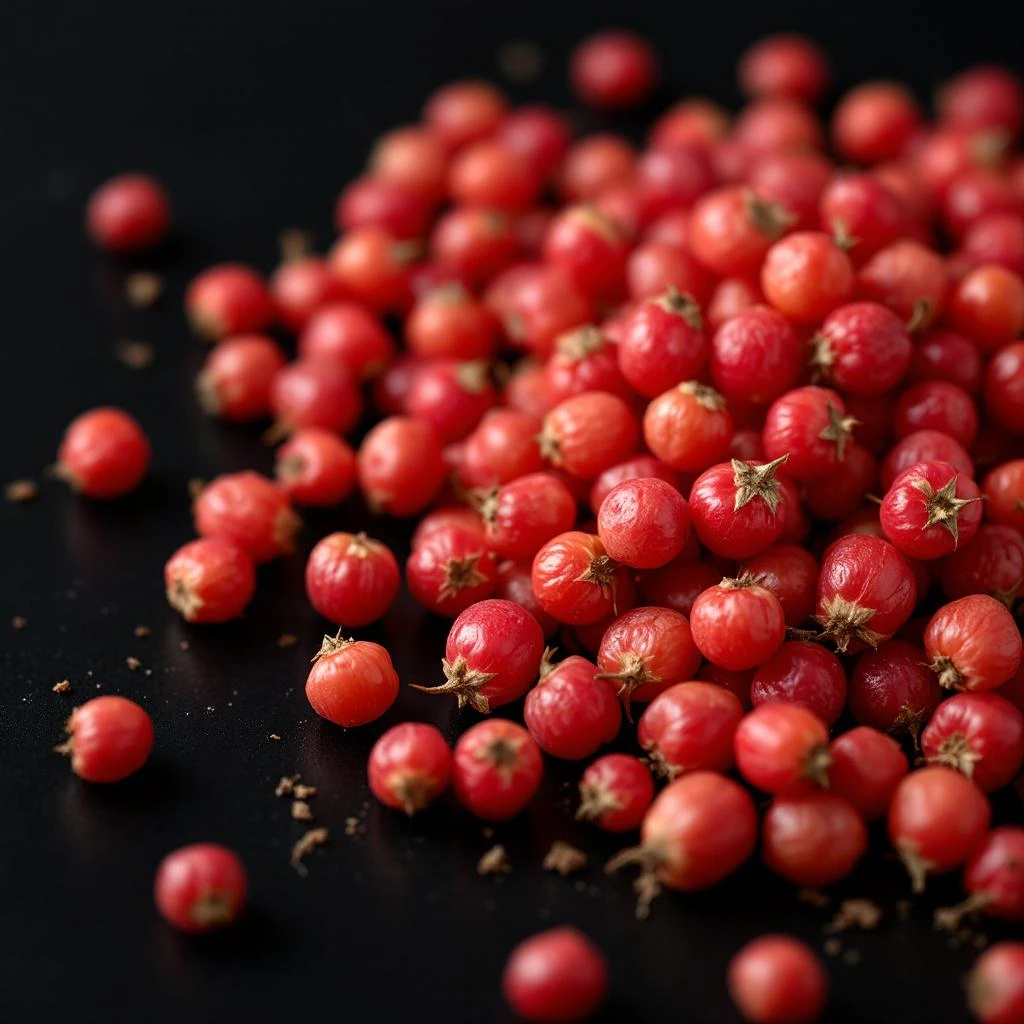
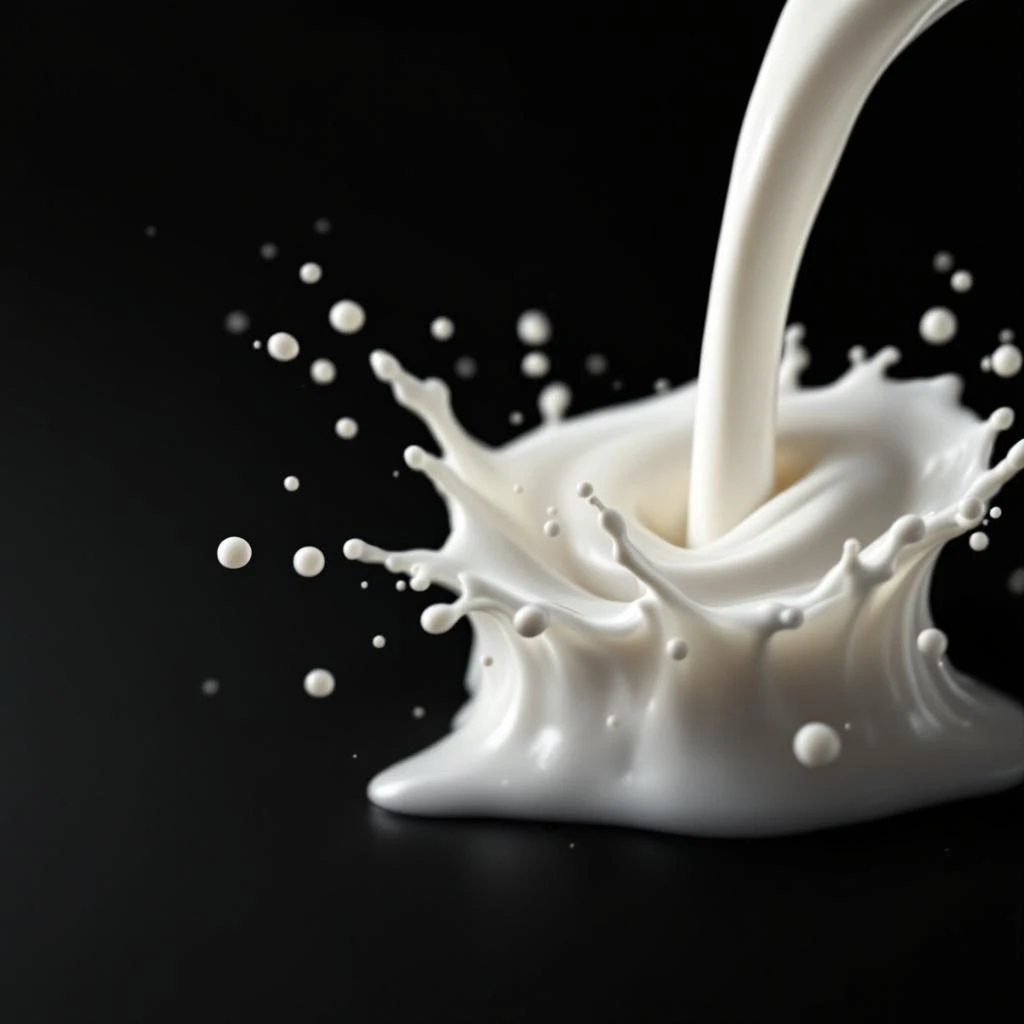
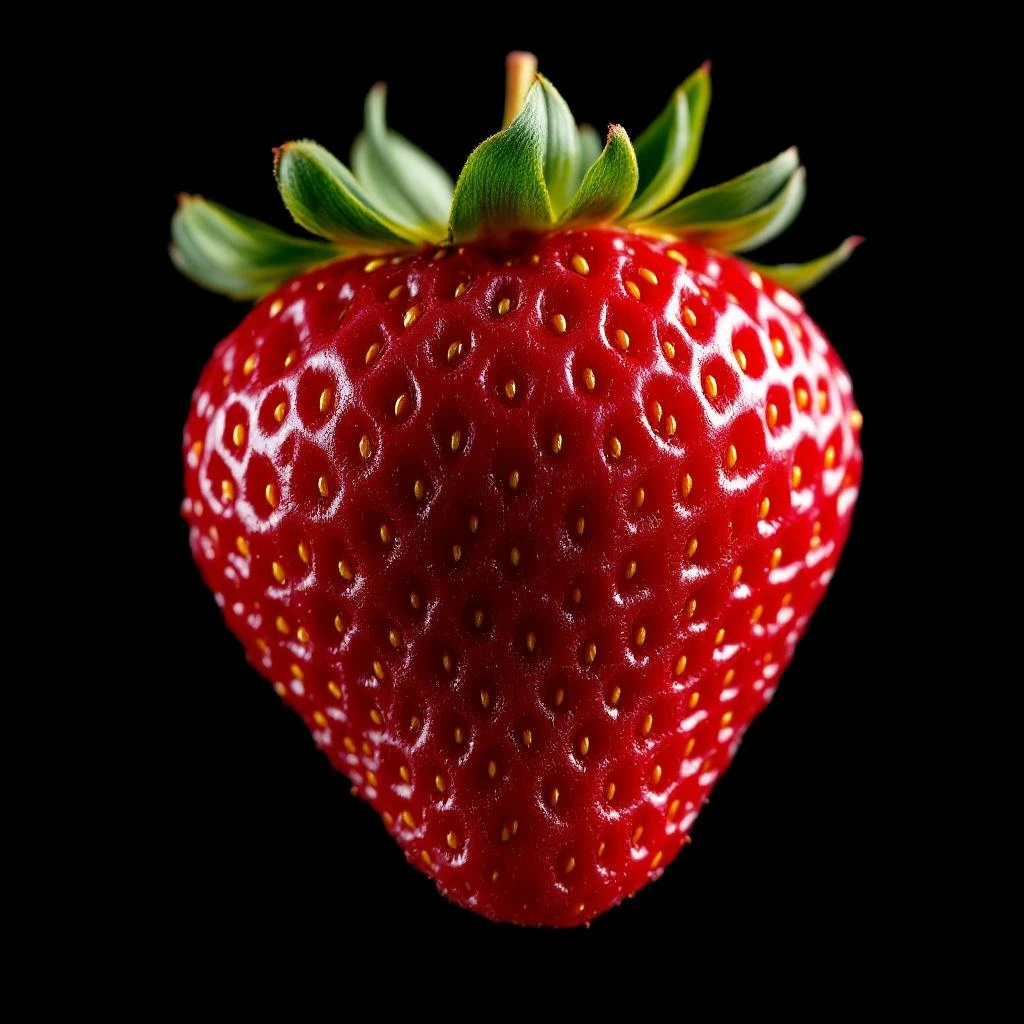
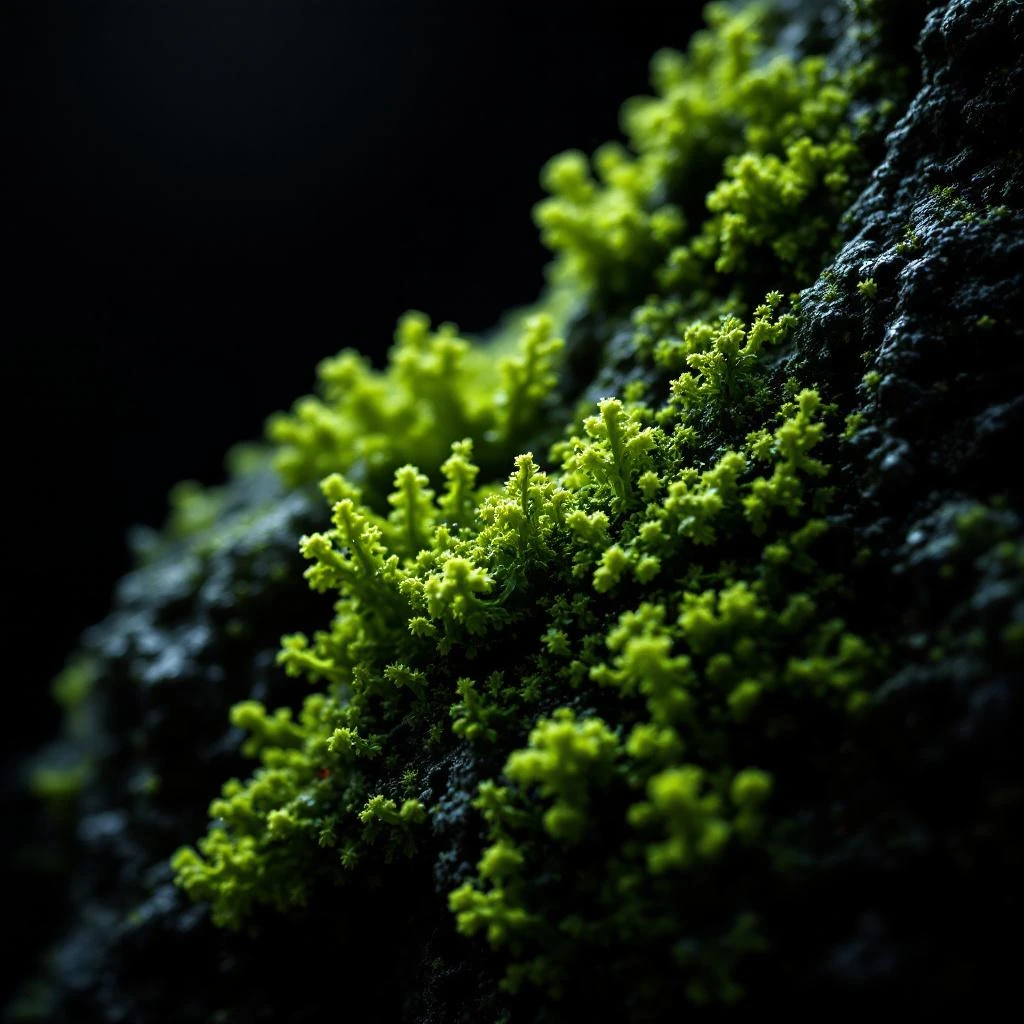
Creamy peach‑kissed jasmine in a single molecule.
Jasmine lactone can be isolated from a single gram of jasmine absolute, but its synthetic counterpart supplies the market at a fraction of the natural yield, making it one of the few aroma chemicals that bridge wild harvest and lab production.





Origin
India
Jasmine lactone first entered the scientific record in the 1960s when gas‑chromatography revealed a faint, creamy note in jasmine absolute that could not be explained by known constituents. Researchers at the Institut Français du Parfum isolated the compound in 1972, naming it after its source and its lactone structure.
Its discovery coincided with a broader shift toward single‑molecule isolates, allowing perfumers to replicate the depth of natural jasmine without the massive flower harvest—traditionally 8 000 blossoms per gram of absolute. Throughout the 1980s, the molecule gained popularity in high‑end florals, prized for extending the heart of a fragrance while adding a subtle fruitiness.
The 1990s saw the first commercial synthesis, which democratized its use and reduced reliance on labor‑intensive jasmine farming in Grasse and India. Today, jasmine lactone remains a benchmark for modern floral architecture, linking historic botanical extraction with contemporary green chemistry.
Wears it best
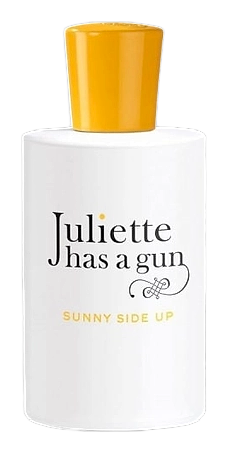
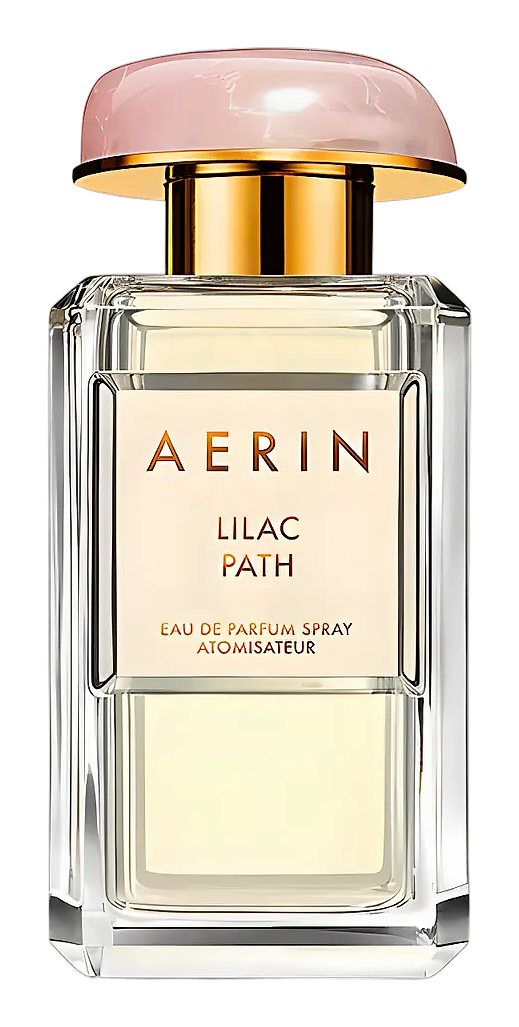
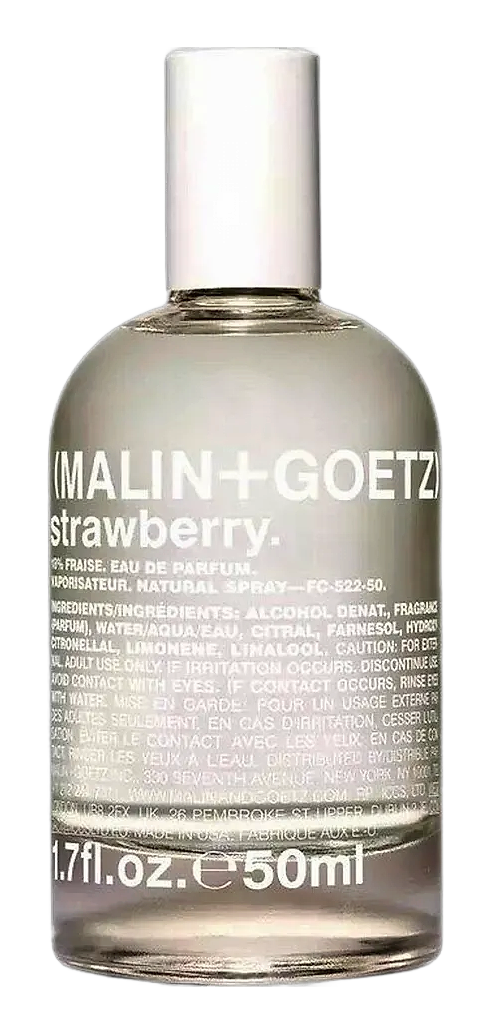
Fragrances featuring Jasmine lactone
Brands
Brands known for Jasmine lactone
Good to know
Questions, answered
The essentials on Jasmine lactone in perfumery: how it smells, where it comes from, and how it behaves on skin.
What primary scent does jasmine lactone contribute?
Jasmine lactone adds a creamy, slightly fruity note reminiscent of peach to a jasmine base. Analytical GC‑MS studies show its odor threshold is around 0.02 µg/L, making it perceptible at very low concentrations. Its molecular structure blends a lactone ring with a methyl group, creating the soft, lingering character prized by formulators.
Is jasmine lactone safe for skin contact?
Jasmine lactone is approved for cosmetic use up to 1 % in leave‑on products. The EU Cosmetic Regulation lists it as a permitted fragrance ingredient with a documented skin irritation rate below 0.5 % in patch‑test panels. Formulators typically keep concentrations below 0.5 % in facial creams to maintain a safety margin.
How stable is jasmine lactone in perfume blends?
Jasmine lactone remains stable under normal storage conditions but can hydrolyze in high‑pH environments. Stability tests at 40 °C for six months showed less than 5 % degradation in ethanol‑based solutions at pH 5.5. Acidic bases or excessive moisture accelerate breakdown, so formulators often pair it with antioxidants.
Can jasmine lactone be sourced sustainably?
Sustainable supply relies on synthetic production rather than wild jasmine harvest. In 2022, over 80 % of global jasmine lactone volume originated from laboratory synthesis, reducing pressure on jasmine farms. Synthetic routes use renewable feedstocks and generate less waste than large‑scale solvent extraction.
What role does jasmine lactone play in fragrance architecture?
It acts as a middle‑note enhancer, rounding the floral heart with a soft, fruity veil. Formulation trials reveal that adding 0.3 % jasmine lactone extends the perceived longevity of jasmine accords by up to 20 % in blind panels. Its subtle sweetness also balances sharper citrus or spice accents.
How is jasmine lactone extracted from natural jasmine?
The molecule is isolated using supercritical CO₂ extraction of jasmine absolute followed by fractional distillation. A 2020 study reported a 0.02 % yield of jasmine lactone from 100 kg of fresh jasmine petals using this method. The process preserves other delicate aromatics while concentrating the lactone.
Does jasmine lactone interact with other common fragrance ingredients?
It blends smoothly with other lactones, ambergris, and light florals, but can clash with strong metallic notes. Sensory panels recorded a harmonious profile when paired with 0.5 % ethyl maltol and 1 % benzyl acetate, while copper‑based accords produced a discordant edge. Balancing pH and solvent choice helps maintain its character.
What is the typical concentration range for jasmine lactone in a perfume?
Perfumers usually employ 0.1 % to 0.5 % of jasmine lactone in the final blend. A 2019 survey of 150 commercial fragrances listed an average usage level of 0.28 % for this ingredient. Higher levels risk overpowering the floral core, so careful titration is essential.



