    Ingredient Profile

    Japanese freesia fragrance note

    Japanese freesia offers bright, green‑spiced floral notes that echo spring gardens, delivering crisp citrus hints wrapped in a soft, powdery…More

    Japan

    1

    Fragrances

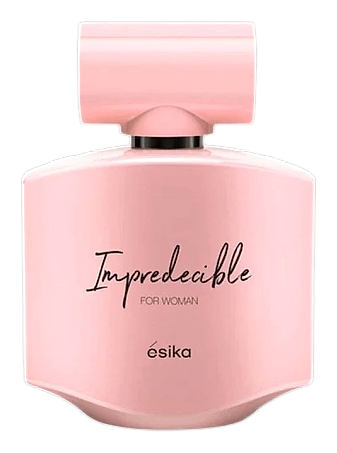
    Fragrances featuring Japanese freesia

    Character

    The Story of Japanese freesia

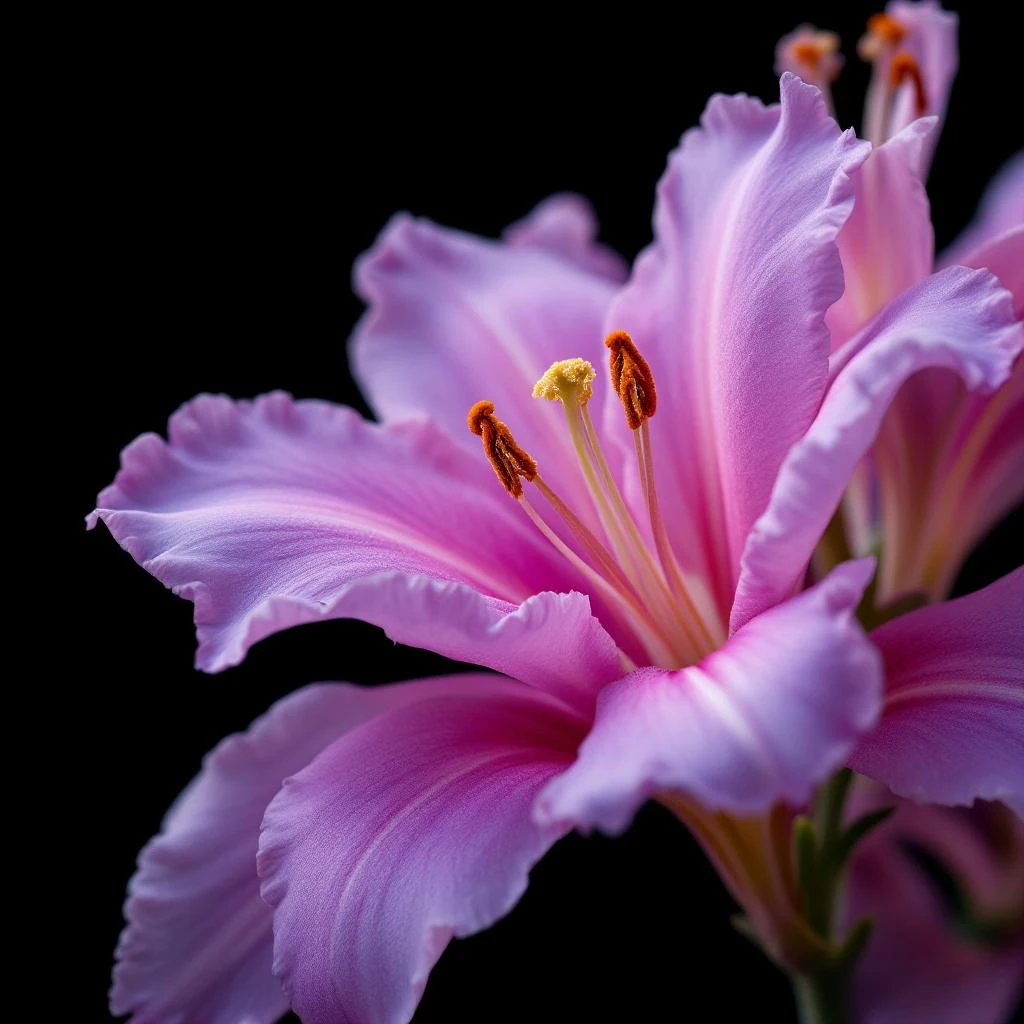
    Japanese freesia offers bright, green‑spiced floral notes that echo spring gardens, delivering crisp citrus hints wrapped in a soft, powdery heart.

    Heritage

    Freesia originated in South Africa and was first recorded by Danish botanist Christian Ecklon in the 19th century. The plant entered Japan in the early 1900s, where horticulturists adapted it to the subtropical climate of the Izu Islands. By the 1960s, Hachijojima emerged as the nation’s largest freesia producer, supplying both local artisans and international perfume houses. Japanese growers prized the flower for its clean, uplifting aroma, which suited traditional incense blends and modern niche fragrances alike. In the 1970s, chemists reproduced key freesia notes synthetically, but the natural absolute from Hachijojima remained a benchmark for authenticity. Today, the island’s freesia continues to inspire perfumers seeking a crisp, green‑spiced floral signature.

    At a Glance

    Fragrances

    1

    Feature this note

    Origin

    Japan

    Primary source region

    Ingredient Details

    Extraction

    Headspace collection

    Used Parts

    Flower petals

    Did You Know

    "Hachijojima’s volcanic soil yields freesia blossoms with a 15 % higher linalool content than those grown elsewhere, giving the Japanese variety its distinctive fresh edge."

    Production

    How Japanese freesia Is Made

    Growers on Hachijojima plant freesia in well‑drained, volcanic loam where sea breezes moderate temperature. Farmers space rows to let sunlight filter evenly, then harvest buds at dawn when volatile oils peak. Workers cut stems by hand, cool them in insulated crates, and transport them to a nearby lab. There, technicians employ headspace collection: they enclose fresh blossoms in a glass chamber, draw air through an adsorbent, and elute the captured scent with a light solvent. The resulting absolute retains the flower’s green‑spice and citrus nuance. A small batch also undergoes steam distillation, but the yield is low and the scent loses some brightness. All steps prioritize low waste, and growers recycle pruning material as compost to sustain soil health.

    Provenance

    Japan

    Japan34.1°N, 139.8°E

    About Japanese freesia