Character
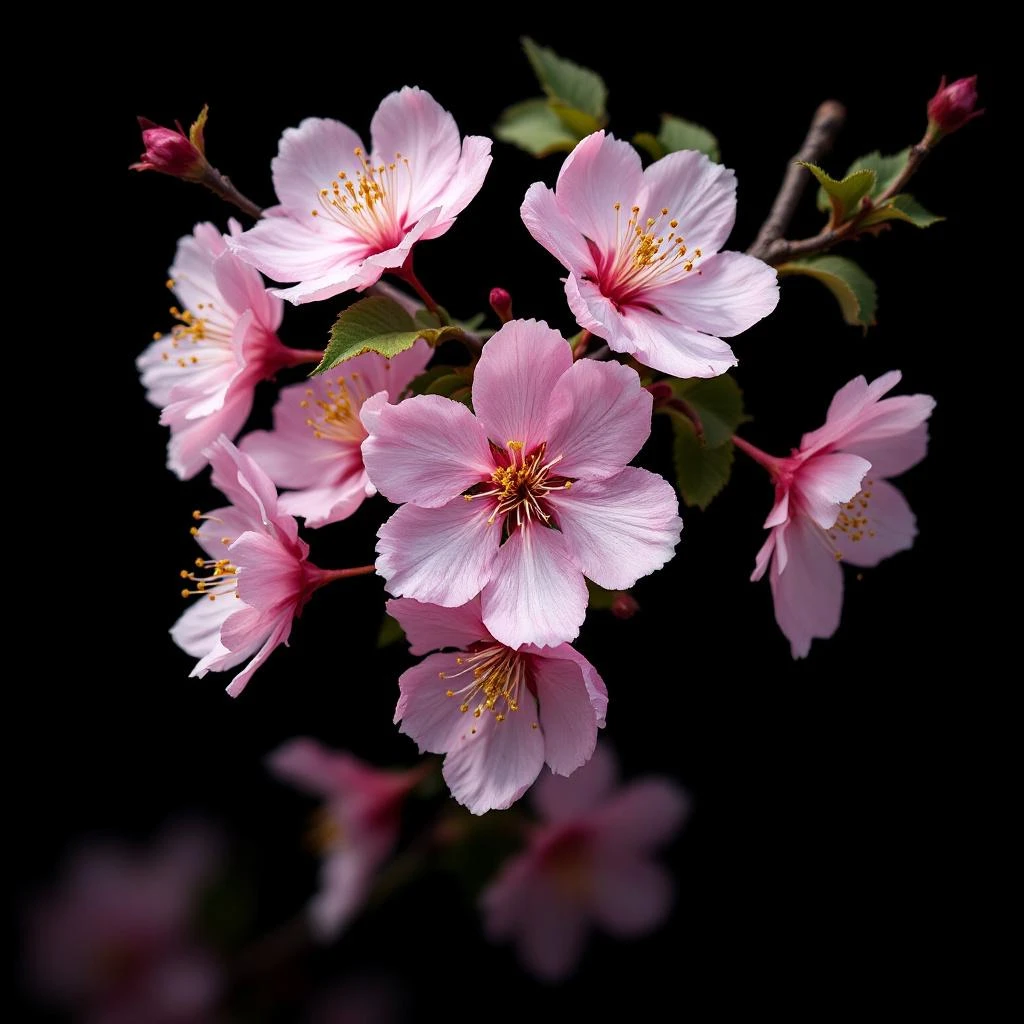
The Story of Japanese Cherry Blossom
Japanese Cherry Blossom delivers a whisper of spring, blending soft powdery notes with a faint sweet almond edge, evoking the fleeting bloom of sakura in a bottle.
Heritage
The cultural importance of Japanese Cherry Blossom stretches back centuries, anchored in the hanami tradition where people gather beneath blooming trees to celebrate renewal. Ancient court ladies used crushed petals in facial rinses, believing the delicate aroma could calm the spirit and soften the skin. Early Japanese medical texts from the Heian period record that blossom water was applied to soothe inflammation and reduce redness. By the early 20th century, the scent entered modern perfumery, first appearing in a 1925 Japanese cologne that combined cherry blossom with yuzu and sandalwood. In the 1970s, Western brands began to reference sakura, but most relied on synthetic recreations because the native flower emits little fragrance. The breakthrough came in 1998 when a Japanese research team isolated phenylethyl alcohol from the petals, confirming its soothing antioxidant activity. Today, cherry blossom remains a symbol of fleeting beauty, and its aroma is used in everything from luxury candles to skin‑care serums, linking contemporary consumers with a tradition that honors both nature and elegance.
At a Glance
1
Feature this note
Japan
Primary source region
Ingredient Details
Solvent extraction
Flower petals
Did You Know
"Somei Yoshino, Japan’s most common cherry, releases almost no fragrance; perfumers rely on a blend of phenylethyl alcohol and benzaldehyde to recreate its signature scent."