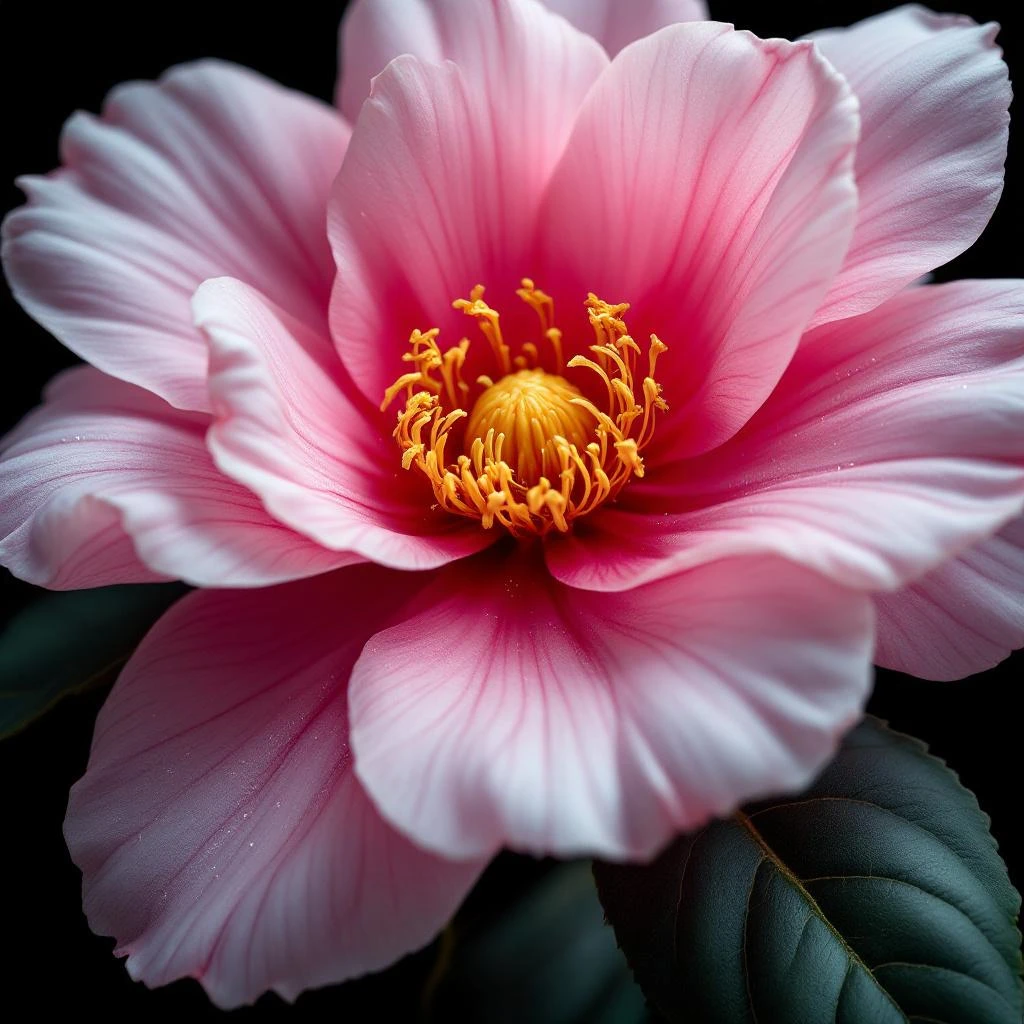

    Ingredient Profile

    Japanese camellia fragrance note

    Japanese camellia delivers a crisp, eugenol‑rich spice that brightens blends with a subtle sweet‑clove edge, echoing the quiet elegance of i…More

    Japan

    1

    Fragrances

    Fragrances featuring Japanese camellia

    Character

    The Story of Japanese camellia

    Japanese camellia delivers a crisp, eugenol‑rich spice that brightens blends with a subtle sweet‑clove edge, echoing the quiet elegance of its tea‑leaf ancestors.

    Heritage

    Camellia trees have been cultivated in Japan and China for over a thousand years, prized for their glossy leaves and medicinal tea. Early records from the Heian period describe camellia leaf infusions used to soothe colds, hinting at the plant's aromatic potential. In the late 19th century, Japanese chemists isolated eugenol from camellia leaves, noting its similarity to clove oil. By 1912, the first commercial camellia leaf distillate reached European markets, where perfumers valued its clean spice for oriental compositions. During the post‑war era, camellia seed oil entered the fragrance industry as a sustainable carrier, supporting the rise of natural‑focused houses. Today, the ingredient bridges traditional tea culture and modern scent design, embodying a quiet continuity across centuries.

    At a Glance

    Fragrances

    1

    Feature this note

    Origin

    Japan

    Primary source region

    Ingredient Details

    Extraction

    Steam distillation

    Used Parts

    Leaves

    Did You Know

    "Camellia leaf oil can contain as much as 85% eugenol, the same compound that gives cloves their signature aroma, making it one of the most eugenol‑dense natural extracts."

    Production

    How Japanese camellia Is Made

    Harvesters collect mature camellia leaves in early autumn, when eugenol levels peak. The foliage is washed, then shredded to increase surface area before entering a stainless‑steel steam distillation column. Steam carries volatile compounds upward; condensation yields a clear, pale oil rich in eugenol and trace terpenes. For seed oil, the nuts are cracked, the kernels pressed, and the expressed oil undergoes cold‑filtration followed by a low‑temperature solvent extraction to preserve its fatty acid profile. Both streams are filtered through activated charcoal to remove impurities, then stored in amber glass at 15 °C to maintain stability. The final leaf distillate typically measures 85 % eugenol by GC‑MS analysis, while seed oil retains a 45 % oleic acid composition, useful for blending and fixation in fragrance bases.

    Provenance

    Japan

    Japan36.2°N, 138.3°E

    About Japanese camellia