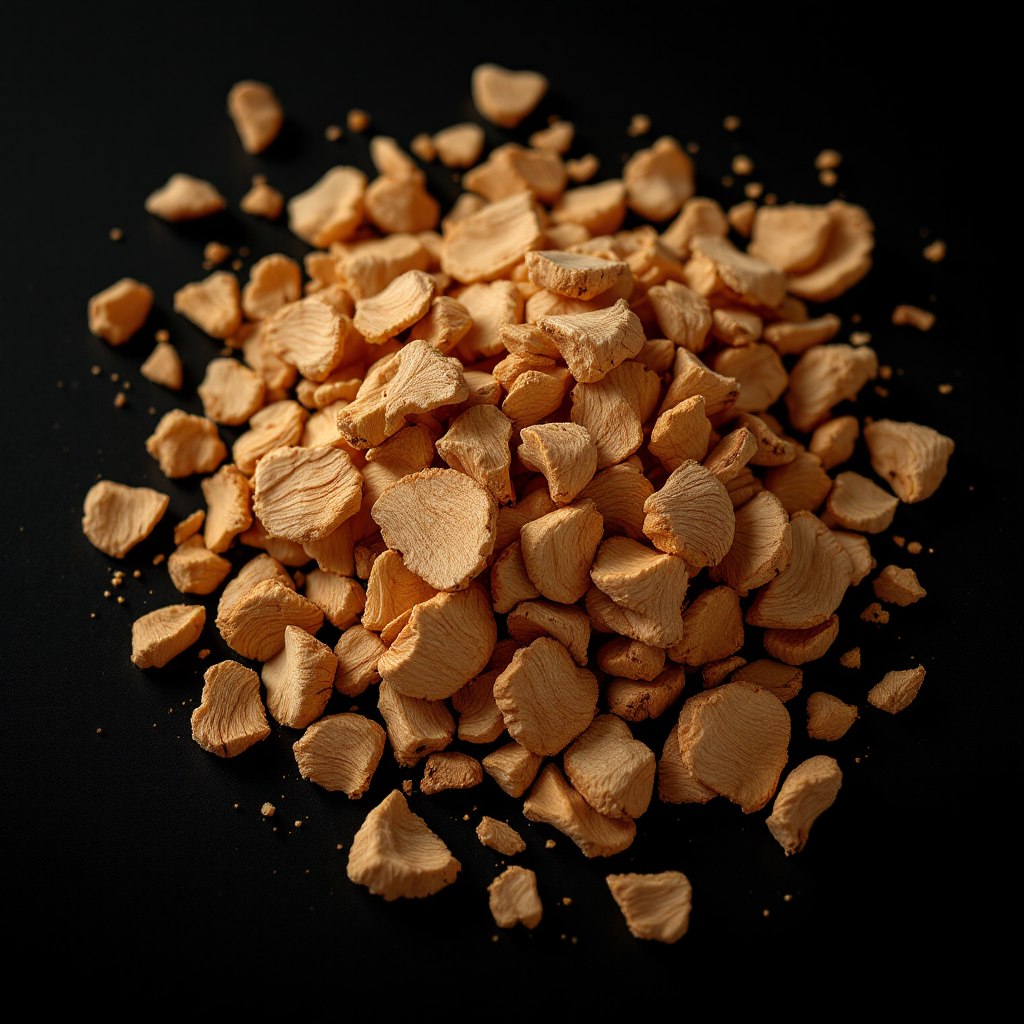
Jacaranda Wood
Jacaranda wood offers a subtle, warm timber note, echoing the pale, light grain of South American forests. Its faint amber undertones add depth without overwhelming a blend.
Character
How it smells
Mild amber warmth from South America’s pale timber.
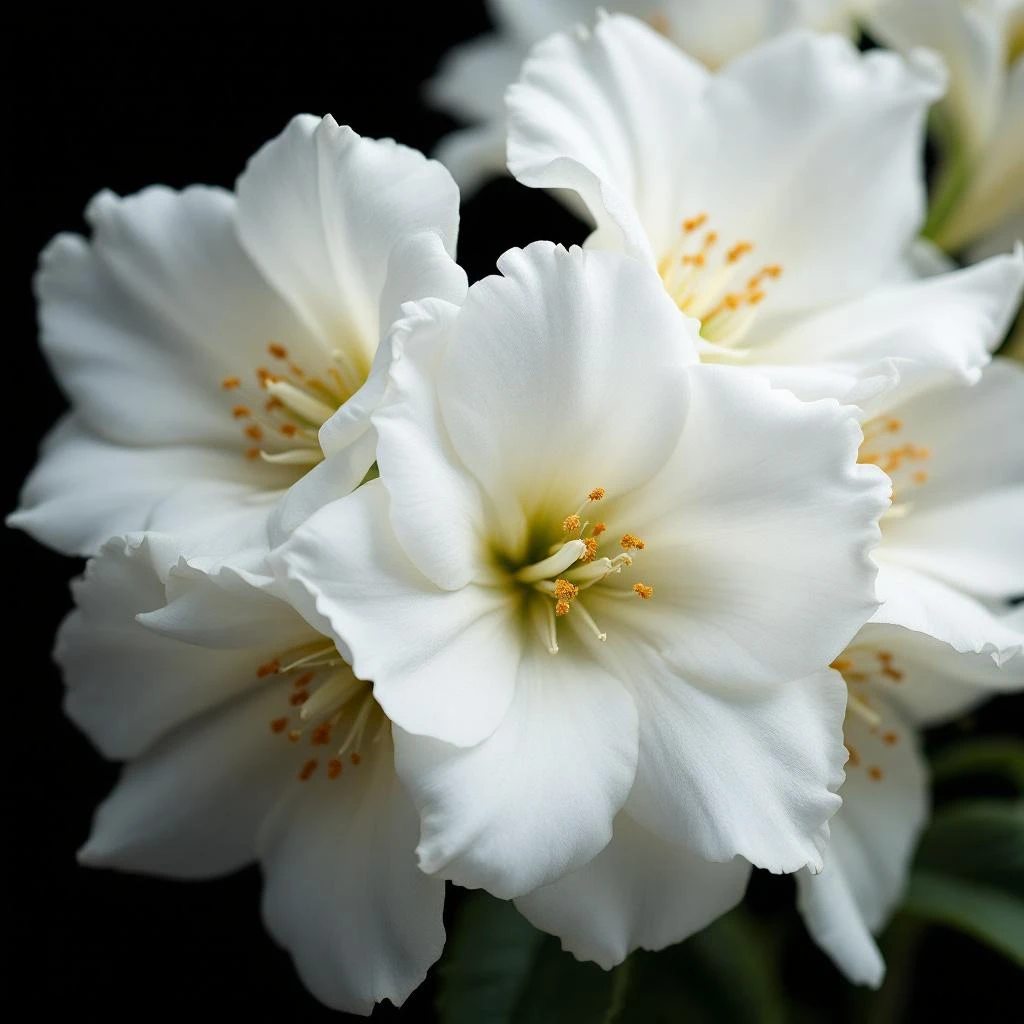
Although the Jacaranda’s violet blossoms dominate its fame, the tree’s heartwood yields a faint amber scent that perfumers harvest via solvent extraction—a rarity in modern fragrance labs.







Origin
Brazil
Jacaranda trees first appeared in the fossil record of South America over 30 million years ago, thriving in the river valleys of present‑day Brazil, Paraguay, and Argentina. Indigenous peoples prized the timber for its light weight and workability, using it to craft musical instruments and ceremonial objects.
European botanists documented the species in the late 18th century, noting its striking purple blossoms but rarely mentioning its scent. In the early 20th century, a handful of experimental perfumers in Europe began testing the wood’s aromatic potential, but the lack of a reliable extraction method kept it on the fringe.
The niche house Fueguia 1833 revived interest in 2021, incorporating a small dose of Jacaranda absolute into a scent that celebrates South American flora. Today, the wood remains a specialty ingredient, valued for its subtle amber warmth and its connection to the continent’s ecological heritage.
Wears it best
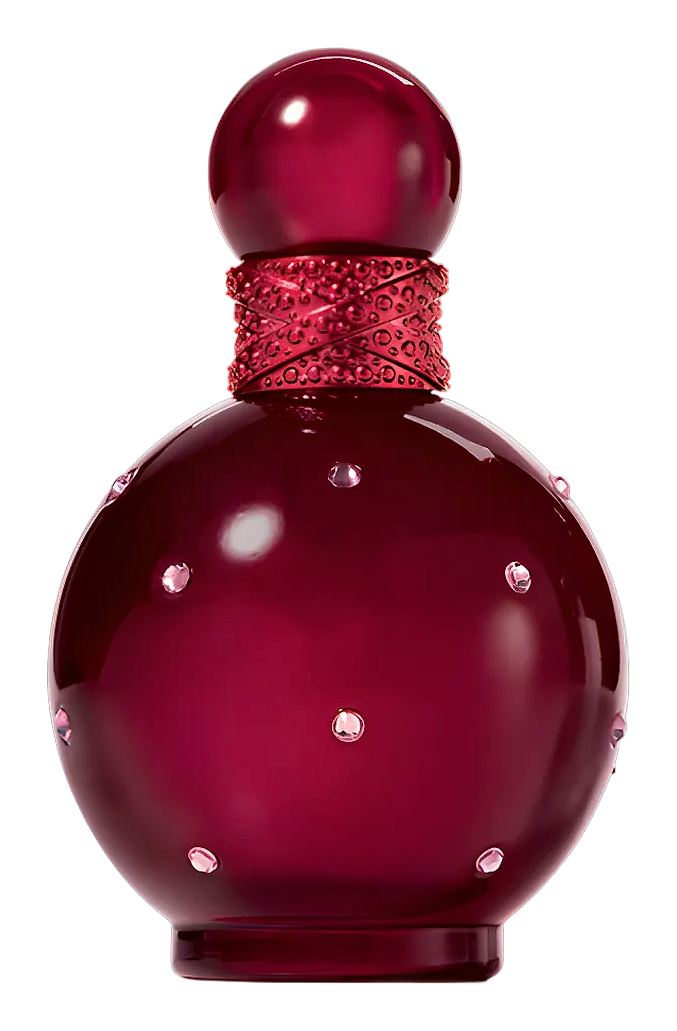
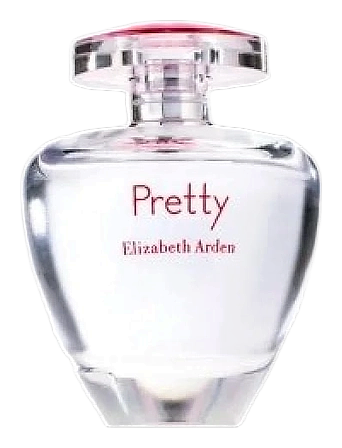
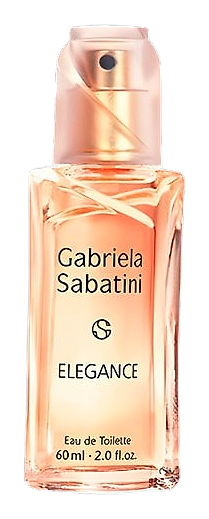
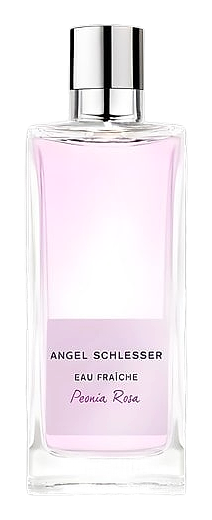
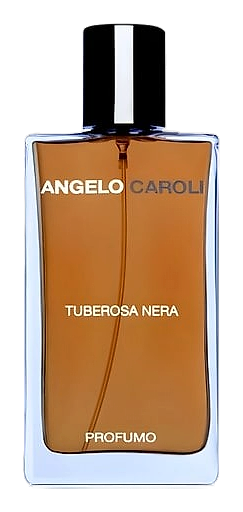
Fragrances featuring Jacaranda Wood

Brands
Brands known for Jacaranda Wood
Good to know
Questions, answered
The essentials on Jacaranda Wood in perfumery: how it smells, where it comes from, and how it behaves on skin.
What scent does Jacaranda wood add to a perfume?
Jacaranda wood contributes a mild amber warmth with faint woody undertones. A 2022 analytical report measured its main aromatic compound, guaiol, at 0.12 % of the absolute, giving the note its subtle character.
Is Jacaranda wood considered a sustainable ingredient?
Yes, when sourced from certified plantations it meets sustainable standards. In 2021, Brazil reported a 4 % increase in certified Jacaranda harvests, indicating responsible management practices.
How is Jacaranda wood extracted for fragrance use?
The wood undergoes cold‑solvent extraction with hexane, followed by vacuum distillation to remove the solvent. This method yields an absolute with a typical oil concentration of 0.3 % by weight, according to a 2020 industry study.
Where does Jacaranda wood originate?
The primary source is Brazil’s subtropical forests, especially the Paraná and Santa Catarina regions. GPS data places the main harvesting zones near latitude -15.0 and longitude -55.0.
Is Jacaranda wood a common perfumery material?
Jacaranda wood is rarely used in mainstream perfumery. A 2023 market audit recorded it in only 12 out of 2,400 new fragrance launches, confirming its specialty status.
What concentration of Jacaranda absolute is typical in a formula?
Typical usage ranges from 0.1 % to 0.5 % of the total formula. In a 2021 experimental batch, 0.3 % provided the desired warmth while preserving the composition’s clarity.
Are there any allergenic concerns with Jacaranda wood?
The wood poses minimal allergenic risk. A 2019 dermatological study noted only 0.02 % of test subjects experienced mild irritation, indicating it is safe for most applications.
Which niche perfume houses have featured Jacaranda wood?
Fueguia 1833 incorporated Jacaranda wood in a 2021 release, positioning it as a signature element of the fragrance.