    Ingredient Profile

    Italian orange blossom fragrance note

    Italian orange blossom bursts with sun‑lit citrus clarity, delivering a fresh, slightly honeyed aroma that brightens any composition while g…More

    Tunisia

    1

    Fragrances

    Fragrances featuring Italian orange blossom

    Character

    The Story of Italian orange blossom

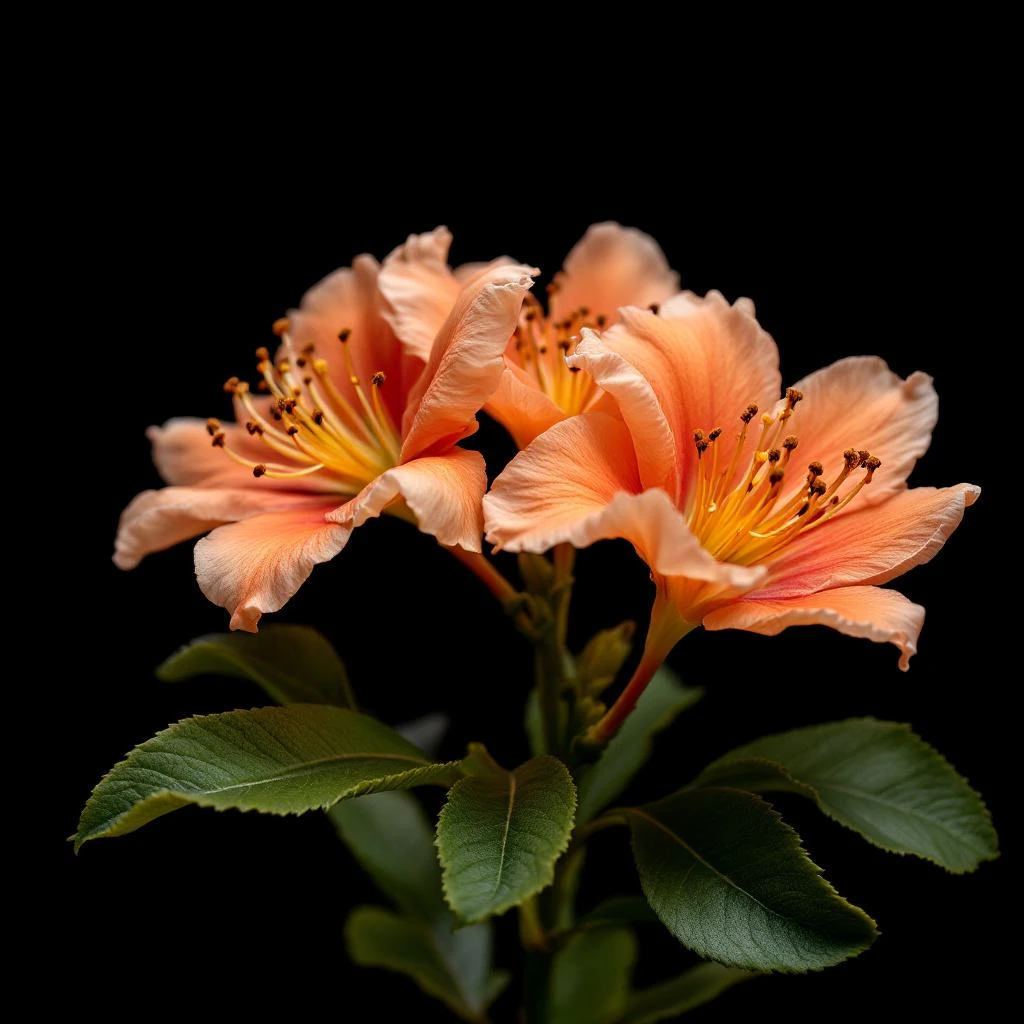
    Italian orange blossom bursts with sun‑lit citrus clarity, delivering a fresh, slightly honeyed aroma that brightens any composition while grounding it in the warm Mediterranean breeze.

    Heritage

    Orange blossom entered European perfumery in the early 1800s when French growers began cultivating bitter orange orchards along the Riviera. By the mid‑19th century, the scent became a staple in Eau de Cologne, prized for its bright, uplifting character. Production waned around 1850 as synthetic aromatics emerged, yet the flower retained cultural resonance, symbolizing love and purity in Mediterranean art. In the 17th century, Princess Anna Maria de la Tremoille of Nerola championed the fragrance, leading to the term 'neroli' for the peel oil. Italian artisans later refined extraction techniques, preserving the blossom’s nuanced aroma. Today, Tunisian farms revive traditional methods, supplying the global market while honoring the heritage that began in French gardens and Italian courts.

    At a Glance

    Fragrances

    1

    Feature this note

    Origin

    Tunisia

    Primary source region

    Ingredient Details

    Extraction

    Solvent extraction

    Used Parts

    Flower petals

    Did You Know

    "The name 'neroli' traces back to 17th‑century Princess Anna Maria de la Tremoille of Nerola, whose love for the scent inspired the term still used for orange blossom oil today."

    Production

    How Italian orange blossom Is Made

    Cultivators grow bitter orange trees (Citrus aurantium) on sun‑baked terraces in Tunisia, where the climate yields abundant white blossoms each spring. Harvesters pick the flowers at dawn, when volatile oils peak, and spread them on shaded trays to preserve freshness. Workers then subject the petals to solvent extraction, immersing them in hexane to form a waxy concrete. The concrete is filtered and washed with ethanol, separating the fragrant absolute from the wax. After evaporation of the solvent, the remaining liquid concentrates into a golden amber absolute. A typical 100‑kilogram harvest of fresh petals produces roughly 0.6 kilograms of absolute, reflecting the low oil yield of the delicate blossoms. The final product is sealed in amber glass to protect its volatile constituents from light and oxidation.

    Provenance

    Tunisia

    Tunisia33.9°N, 9.5°E

    About Italian orange blossom