Character
The Story of Italian lemon petitgrain
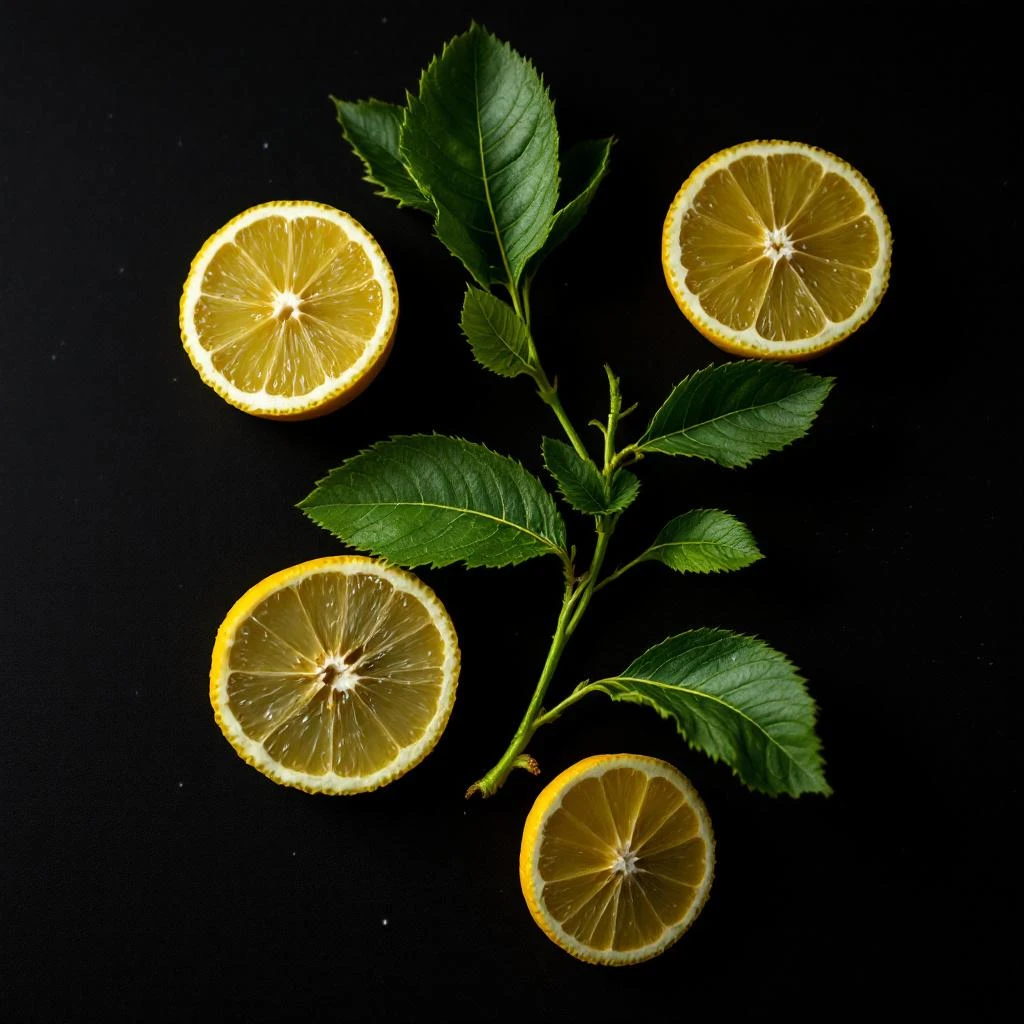
Italian lemon petitgrain captures the bright, herbaceous green of lemon tree leaves, delivering a crisp citrus‑floral note that anchors many fresh compositions.
Heritage
Italian lemon petitgrain emerged in the early 1700s when Italian growers experimented with the abundant lemon groves of the Mediterranean. They discovered that steam‑distilling the leaves produced a fresh, green oil that complemented the bright lemon peel used in early colognes. Giovanni Maria Farina, the creator of Eau de Cologne, incorporated citronnier petitgrain into his 1709 formula, noting its ability to soften the sharpness of citrus zest. Throughout the 19th century, French and German perfumers prized the oil for its clean, herbaceous edge, and it became a staple in the classic citrus families of the era. The rise of synthetic aromatics in the late 1800s reduced demand for many natural extracts, but Italian lemon petitgrain survived due to its unique aroma profile and the continued popularity of natural ingredients in niche perfumery. Today, artisanal houses celebrate its heritage, tracing each batch back to the same coastal groves that supplied Farina more than three centuries ago.
At a Glance
1
Feature this note
Italy
Primary source region
Ingredient Details
Steam distillation
Leaves, twigs, small unripe fruits
Did You Know
"Italian lemon petitgrain contains up to 30 % more linalool than standard bitter orange petitgrain, a result of the volcanic soils that line Sicily’s coast."