Character
The Story of Italian lemon blossom
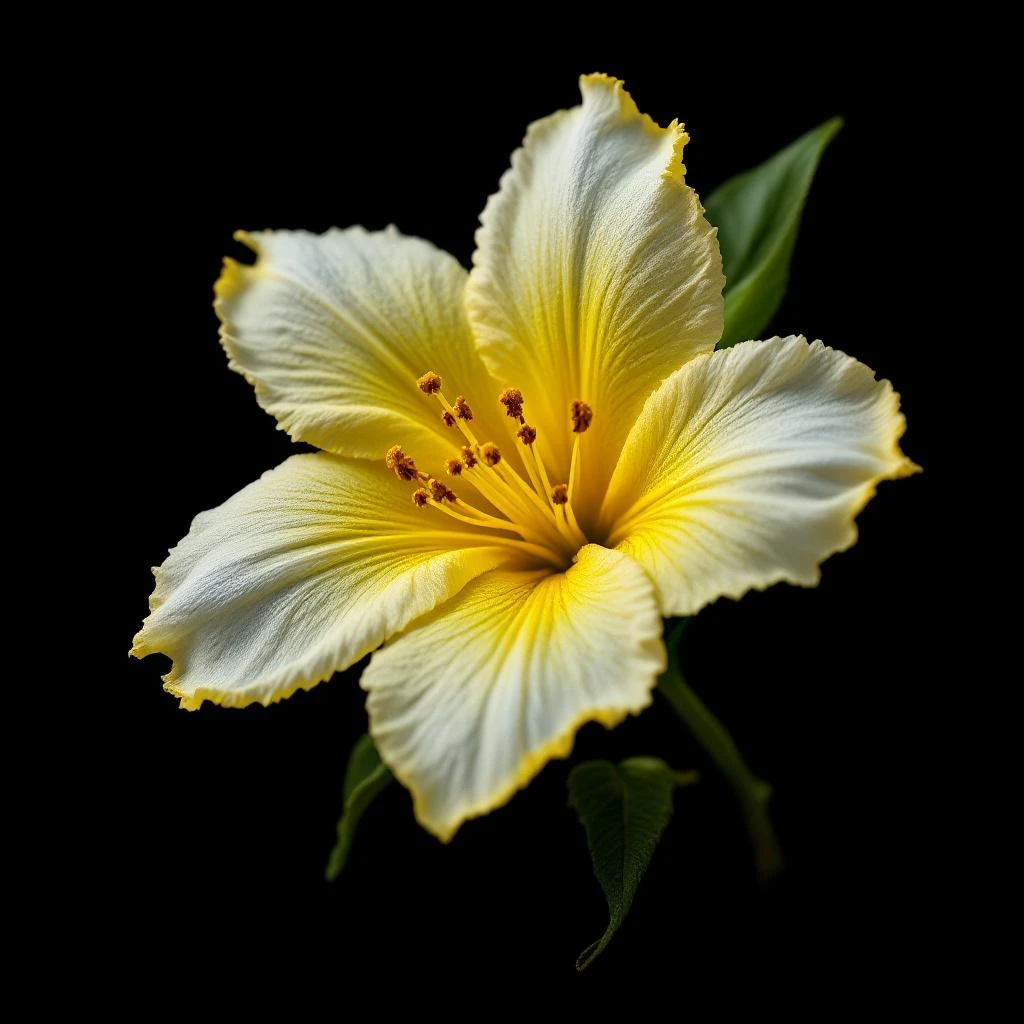
Italian lemon blossom bursts with bright citrus green notes, softened by a whisper of white flower. Harvested at dawn in sun‑kissed groves, it adds a crisp, uplifting lift to modern perfumery.
Heritage
Ancient Romans prized lemon blossoms for their bright scent, using them in temple incense and elite baths. By the 17th century, the princess of Nerola near Rome introduced the blossom into early neroli preparations, a practice that spread across the Italian peninsula. In the early 1800s, French perfume houses cultivated bitter orange trees in the south of France and began blending lemon blossom oil into eau de cologne, creating a light, refreshing top note that defined the era's fashionable scents. Production peaked around 1850, when French growers exported thousands of kilograms of oil to London and Paris. A decline followed as synthetic citrus aromatics entered the market in the early 20th century, reducing demand for natural blossom oil. The late 20th century saw a revival among niche perfumers who valued the authentic, sun‑kissed character of Italian lemon blossom, prompting small farms in Sicily and Calabria to re‑establish traditional harvesting methods. Today, the ingredient enjoys a respected place in premium fragrances, celebrated for its historical link to Mediterranean elegance and its unmistakable citrus‑green freshness.
At a Glance
1
Feature this note
Italy
Primary source region
Ingredient Details
Steam distillation
Flower petals
Did You Know
"Each Italian lemon blossom yields only a few milliliters of essential oil, so it takes roughly 1,200 blossoms to produce a single gram of pure oil."