Character
The Story of Italian iris concrete
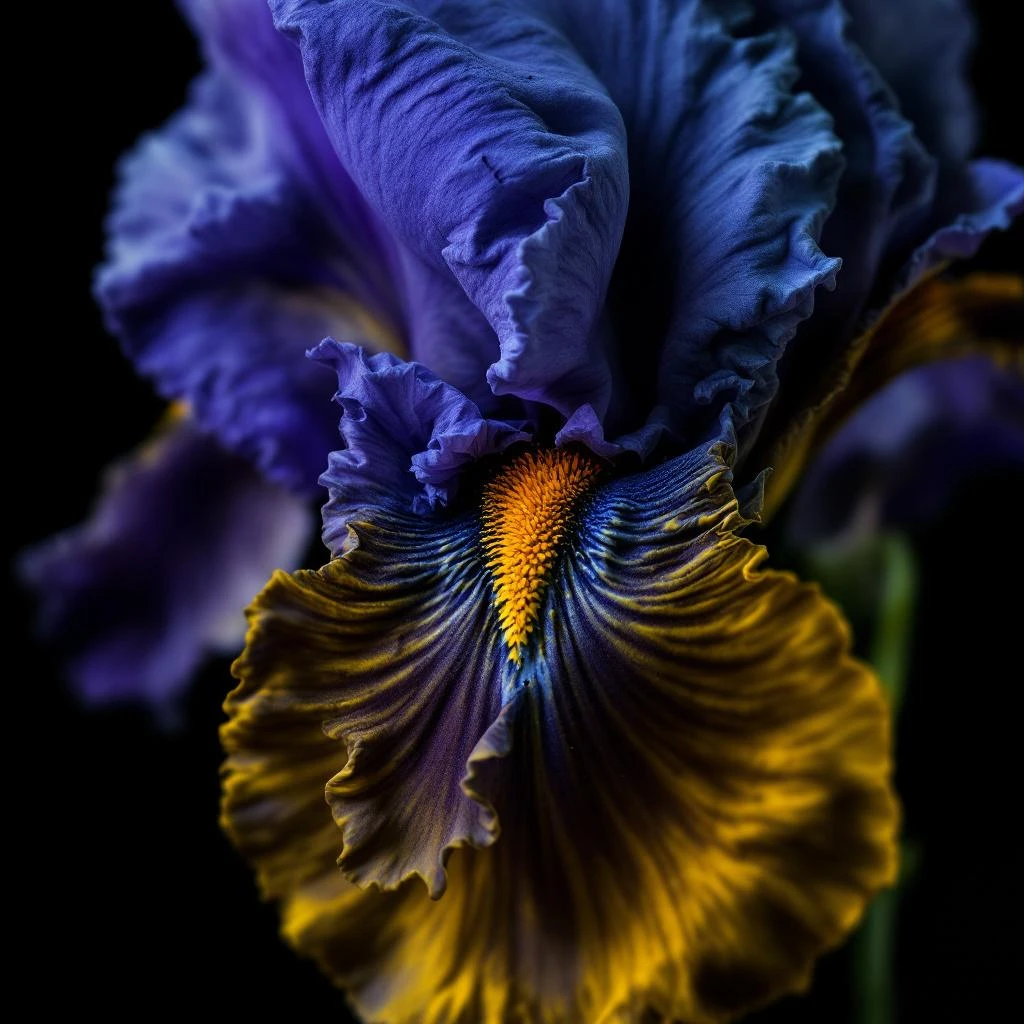
Italian iris concrete captures the earthy, powdery heart of aged iris roots, delivering a rare, green‑amber scent that anchors fine fragrances with depth and elegance.
Heritage
Iris roots first entered the perfume world in ancient Egypt, where priests prized the aged orris for its grounding scent in temple rites. By the sixteenth century, Catherine de Medici imported the Tuscan variety to the French court, sparking a fascination among aristocratic perfumers. Throughout the eighteenth century, the ingredient appeared in royal eau de colognes, prized for its ability to fix lighter notes. The nineteenth century saw the rise of industrial distillation, yet the labor‑intensive aging process kept iris concrete rare and expensive. In the twentieth century, avant‑garde houses revived the material, using it to add depth to modern compositions. Today, niche brands treat Italian iris concrete as a signature of heritage and craftsmanship, honoring centuries of botanical reverence.
At a Glance
1
Feature this note
Italy
Primary source region
Ingredient Details
Steam distillation
Dried iris roots
Did You Know
"A single hectare of Iris pallida yields only about 30 kilograms of dried roots, enough for roughly 0.06 kilograms of concrete, making it one of the most scarce natural perfume materials."