Character
The Story of Italian heliotrope
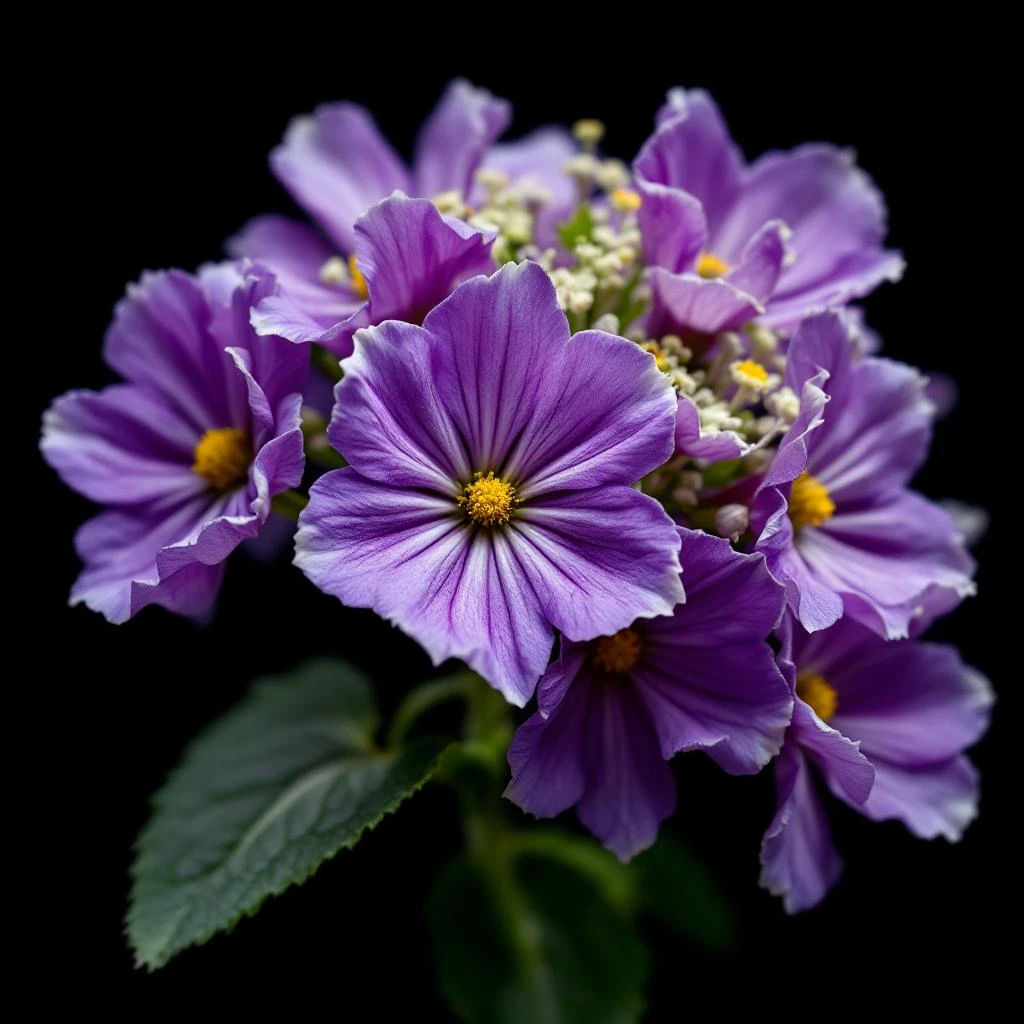
Italian heliotrope offers a refined powdery aroma that balances sweet almond whispers with subtle violet nuances, delivering a clean, elegant note prized by master perfumers worldwide.
Heritage
Ancient Egyptians recorded heliotrope in temple offerings as early as 1500 BCE, noting its sweet, soothing scent. Greeks and Romans adopted the flower for love rites, mixing crushed petals into oil bases for personal adornment. By the Middle Ages, Italian monastic gardens cultivated heliotrope for medicinal balms, and merchants began exporting dried blossoms to the burgeoning perfume houses of Grasse. The 19th‑century chemist Ferdinand Tiemann isolated heliotropin, confirming the molecule that gives the flower its signature aroma. Italian perfumers embraced the discovery, integrating heliotrope absolute into classic fougère and chypre compositions. In the 1920s, the note appeared in iconic French fragrances, cementing its status as a timeless ingredient. Today, Italian heliotrope remains a staple in niche perfumery, valued for its clean, powdery character that bridges floral and gourmand worlds.
At a Glance
1
Feature this note
Italy
Primary source region
Ingredient Details
Solvent extraction
Flower petals
Did You Know
"Italian heliotrope yields a natural absolute that contains up to 15 % heliotropin, the molecule responsible for its characteristic almond‑violet scent."