Character
The Story of Italian cotton
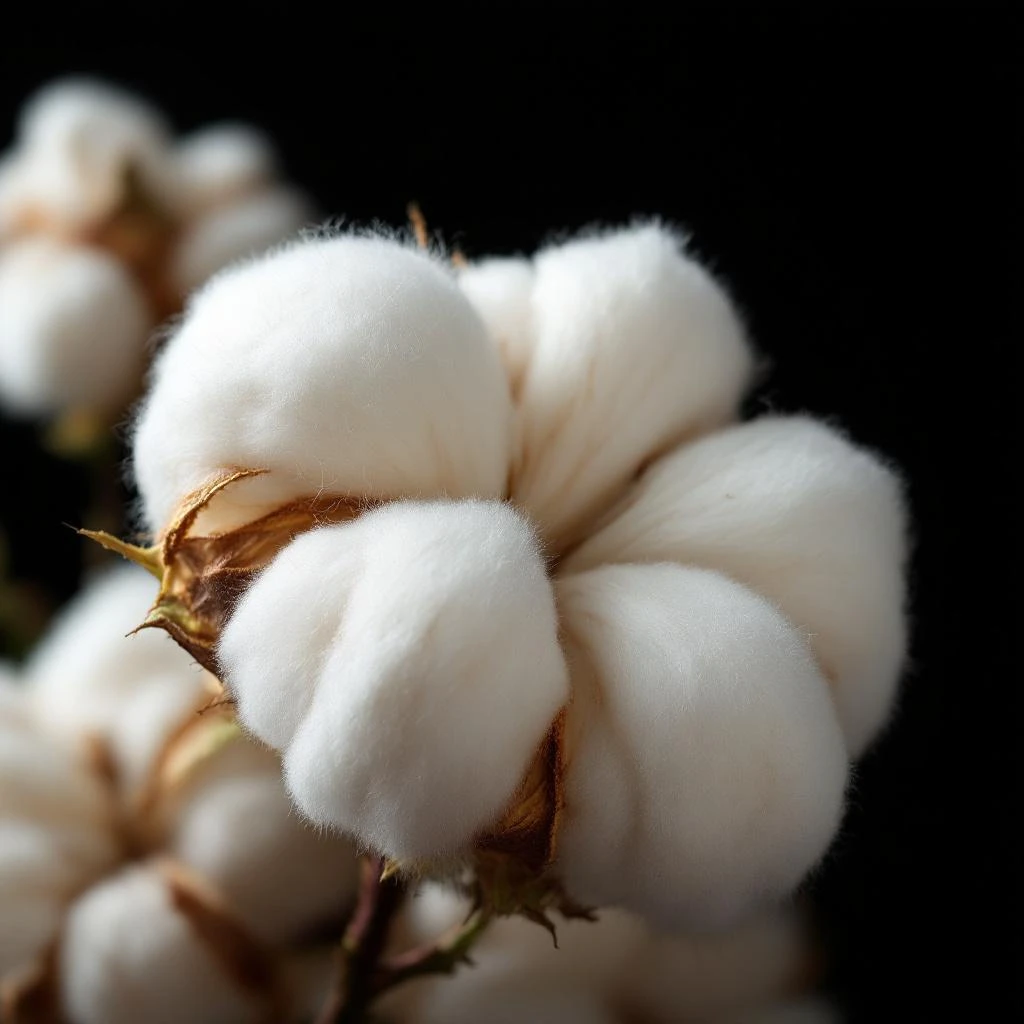
Italian Cotton captures the crisp, sun‑dried linen scent of fresh laundry, delivering a clean, airy facet that brightens modern compositions with a subtle green‑powdery nuance.
Heritage
The name Italian Cotton reflects Italy’s long tradition of refining aromatic chemistry, a legacy that began with Roman distillation experiments and matured during the Renaissance when alchemists first isolated essential oils. In the late 20th century, Italian labs turned to synthetic chemistry to recreate scents that natural cotton could not provide, because raw cotton lacks a distinct fragrance. In 1995, a Milan research team introduced the first synthetic cotton accord, branding it ‘Italian Cotton’ to honor the country’s perfumery heritage. The note spread rapidly through European houses, appearing in iconic 1990s fragrances that celebrated clean, modern aesthetics. Today, it remains a go‑to ingredient for designers who want a crisp, laundry‑fresh impression without relying on natural extracts, linking contemporary scent design to Italy’s historic pursuit of aromatic precision.
At a Glance
1
Feature this note
Italy
Primary source region
Ingredient Details
Synthetic
Synthetic aromatic compound (no natural plant part)
Did You Know
"The ‘Italian Cotton’ aroma was first patented in 1995 by a Milan‑based laboratory, and it quickly became a staple in high‑end fragrances seeking a laundry‑fresh effect."