
    Ingredient Profile

    Italian coastal woods fragrance note

    Italian coastal woods capture the sun‑kissed timber of Italy’s shoreline, delivering a dry, resin‑rich aroma that whispers sea breezes and a…More

    Italy

    1

    Fragrances

    Fragrances featuring Italian coastal woods

    Character

    The Story of Italian coastal woods

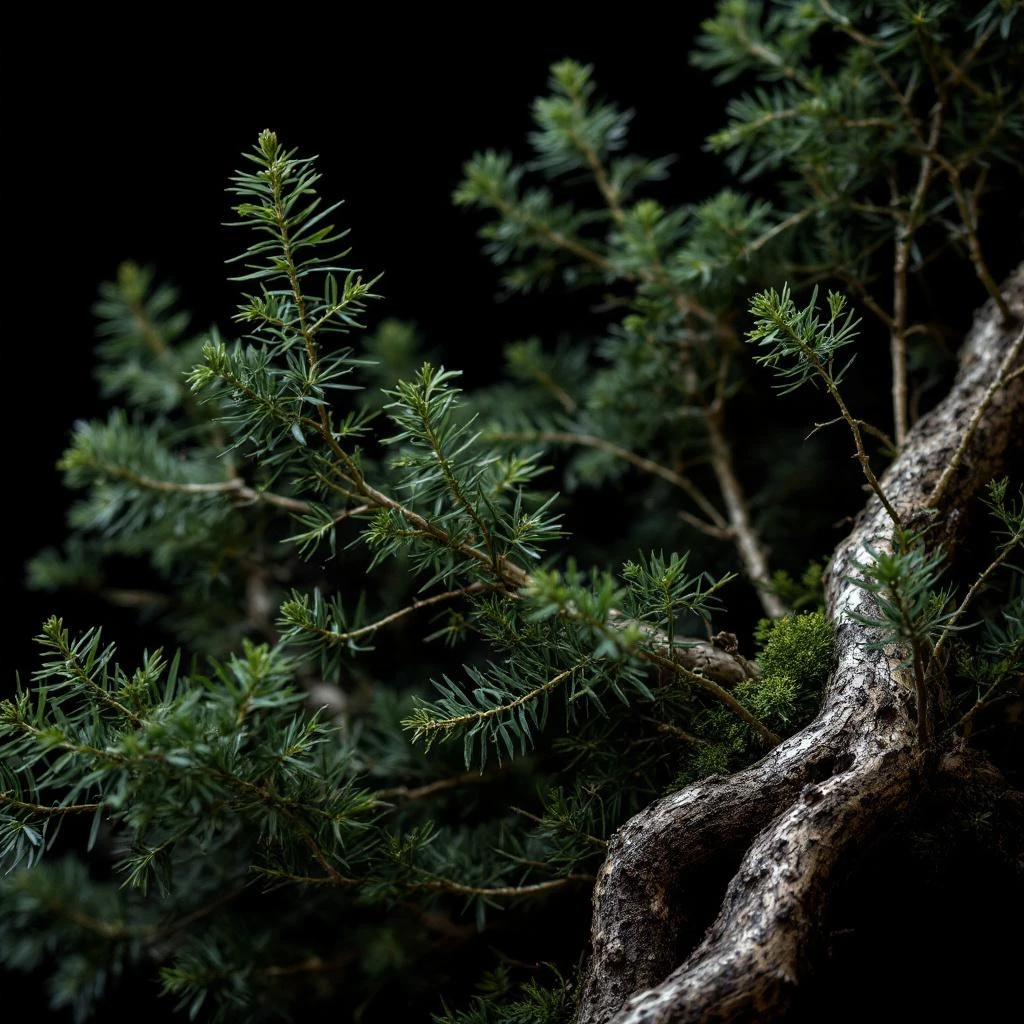
    Italian coastal woods capture the sun‑kissed timber of Italy’s shoreline, delivering a dry, resin‑rich aroma that whispers sea breezes and ancient forests in a single breath.

    Heritage

    Coastal timber has scented Mediterranean rituals for millennia. Excavations in 2004‑05 uncovered a 4,000‑year‑old perfume factory on Cyprus, evidence that traders already valued sun‑aged wood from Italy’s shores. Roman texts describe the use of pine and cypress from the Tyrrhenian coast in sacred incense, noting their ability to linger in temple air. By the Renaissance, Italian perfumers blended coastal wood extracts with amber and citrus to create courtly fragrances prized across Europe. The 19th‑century rise of organic synthesis did not replace the wood note; instead, artisans refined steam‑distillation techniques to capture its unique resinous nuance. Today, the note remains a cornerstone of premium compositions, linking modern creators to a lineage that stretches back to ancient seafarers who first shipped fragrant timber across the Mediterranean.

    At a Glance

    Fragrances

    1

    Feature this note

    Origin

    Italy

    Primary source region

    Ingredient Details

    Extraction

    Steam distillation

    Used Parts

    Dried heartwood

    Did You Know

    "The ancient port of Cagliari exported cedar and pine timber for perfumery as early as 2000 BC, making Italian coastal woods one of the oldest documented fragrance materials."

    Production

    How Italian coastal woods Is Made

    Harvesters select mature trees from the Ligurian, Tuscan and Sicilian coasts, favoring heartwood that has absorbed sea‑borne minerals. Workers fell the trunks in winter, when sap flow slows, then split the logs and air‑dry them for three to six months to concentrate aromatic compounds. Once the wood reaches a stable moisture level, distillers load the dried heartwood into copper stills. Steam passes through the wood at 100 °C, extracting volatile oils while leaving behind the dense, aromatic residue. The condensate collects in chilled coils, then separates into essential oil and a heavier water‑soluble fraction. The oil is filtered, decanted and stored in dark glass to preserve its bright, resinous character. Small batches undergo quality checks using gas‑chromatography, confirming the presence of key sesquiterpenes such as cedrol and α‑cedrene that define the note’s signature profile.

    Provenance

    Italy

    Italy38.9°N, 15.8°E

    About Italian coastal woods