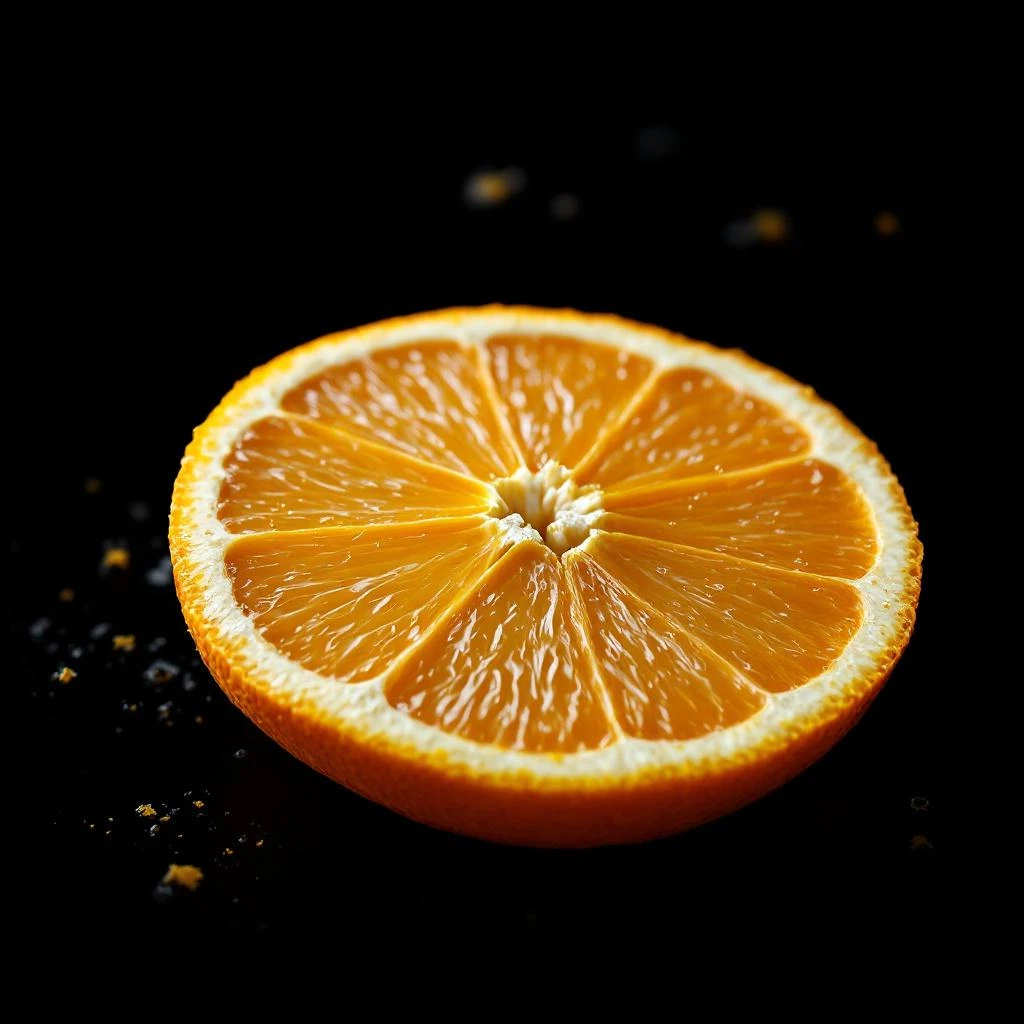

    Ingredient Profile

    Italian citrus zest fragrance note

    Bright, sun‑kissed zest from Italy’s finest lemons and oranges, Italian citrus zest delivers a crisp, aromatic spark that lifts any fragranc…More

    Italy

    1

    Fragrances

    Fragrances featuring Italian citrus zest

    Character

    The Story of Italian citrus zest

    Bright, sun‑kissed zest from Italy’s finest lemons and oranges, Italian citrus zest delivers a crisp, aromatic spark that lifts any fragrance with natural vitality.

    Heritage

    Italian citrus zest has anchored Mediterranean fragrance traditions for centuries. Ancient Romans mixed citrus peel with honey to scent baths, while medieval monks recorded the use of orange zest in sacred incense. The 18th‑century rise of Eau de Cologne introduced Italian lemon zest as a key top note, prized for its sparkling freshness. By the late 19th century, the commercial synthesis of aroma compounds spurred perfumers to refine extraction techniques, yet they kept the natural zest for its authentic brightness. In the 1920s, the famed perfume house Caron launched “Nuit de Noël,” featuring Italian citrus zest to balance amber and spice. Today, the zest remains a staple in niche and luxury blends, linking modern creators to a lineage that stretches from Sicilian groves to global fragrance houses.

    At a Glance

    Fragrances

    1

    Feature this note

    Origin

    Italy

    Primary source region

    Ingredient Details

    Extraction

    Cold expression

    Used Parts

    Fruit peel

    Did You Know

    "Italian citrus zest oil contains up to 70% limonene, the same compound that gives cleaning products their fresh scent, yet it remains a prized natural ingredient in fine perfumery."

    Production

    How Italian citrus zest Is Made

    Perfumers obtain Italian citrus zest oil by cold expression, a mechanical pressing that squeezes fresh peel without heat. The process begins with hand‑picked lemons and oranges harvested at peak ripeness in the Amalfi coast. Workers wash the fruit, then feed the whole peel into a rotating drum where gentle pressure extracts the volatile oil. The oil separates from the aqueous phase and flows into stainless‑steel collectors. Because the method avoids high temperatures, delicate molecules such as limonene, citral, and β‑pinene remain intact, preserving the zest’s bright character. After extraction, the oil is filtered through fine mesh, then stored in amber glass bottles under nitrogen to prevent oxidation. In 2022, Italian producers reported an average yield of 1.5 ml of oil per kilogram of zest, demonstrating the efficiency of cold expression for large‑scale perfumery.

    Provenance

    Italy

    Italy37.6°N, 14.0°E

    About Italian citrus zest