Character
The Story of Italian chestnut honey
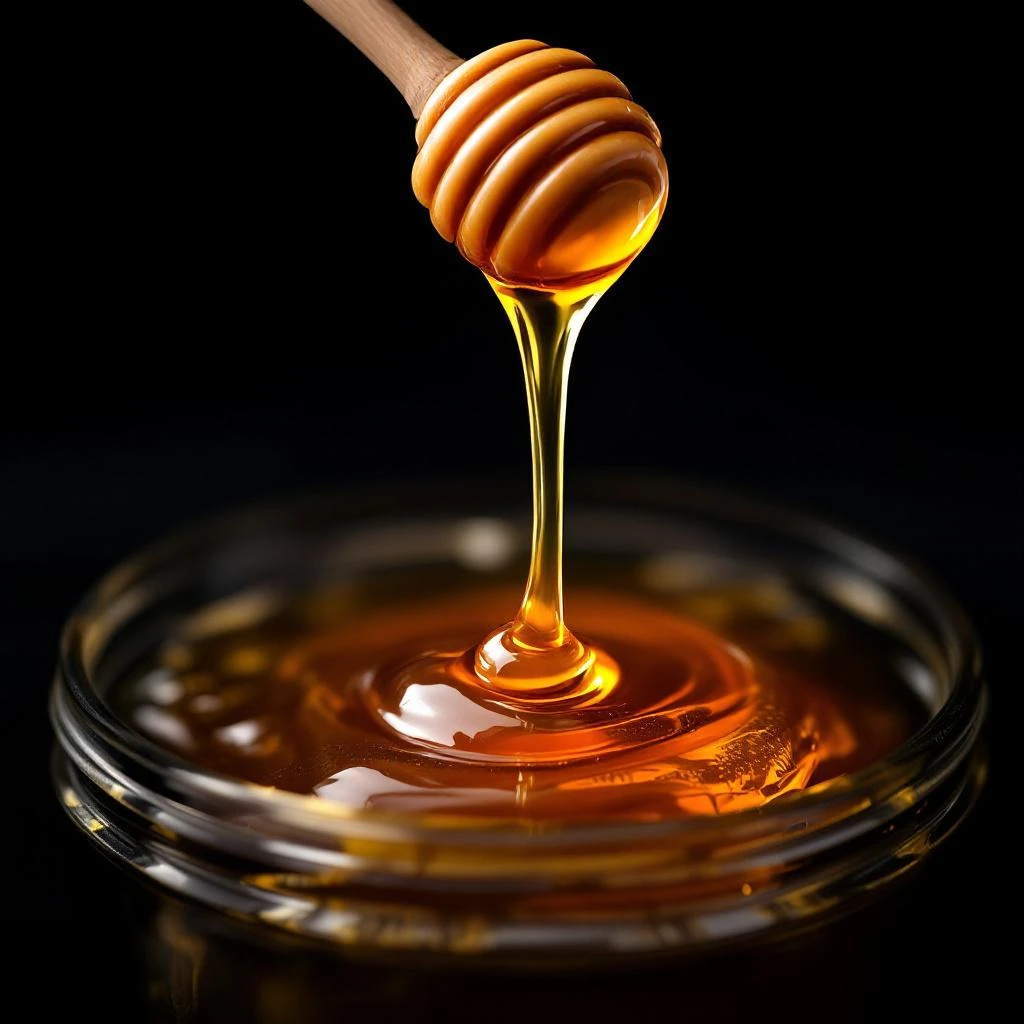
Italian chestnut honey offers dark, smoky sweetness with hints of leather, echoing the mineral‑rich forests of the Apennines and heralding autumn’s arrival.
Heritage
Chestnut trees (Castanea sativa) arrived in Europe from the ancient city of Sardis around 500 BCE, quickly spreading across the Italian peninsula. By the Middle Ages, monastic apothecaries recorded chestnut honey as a remedy for coughs and digestive ailments, noting its thicker consistency compared with meadow honey. Renaissance physicians praised its “robust” character, and the honey entered aristocratic banquets as a sweetener for sauces and desserts. In the 19th century, Italian beekeepers began labeling the product “Miele di Castagno” to differentiate it from lighter varieties, a practice that persists today. The honey’s dark hue and smoky nuance inspired early perfumers who extracted its aromatic compounds for scented soaps and balms. Modern culinary writers still cite chestnut honey as a hallmark of Tuscan autumn, linking the flavor to the region’s mineral‑rich soils and centuries‑old beekeeping traditions.
At a Glance
1
Feature this note
Italy
Primary source region
Ingredient Details
Natural harvesting
Chestnut nectar from Castanea sativa blossoms
Did You Know
"Chestnut honey darkens as it ages; a single jar can contain up to 30 % more minerals than typical clover honey, thanks to the rich, acidic soils of the Apennine foothills."