    Ingredient Profile

    Iris pallida concrete fragrance note

    An ultra‑rich extract from aged iris roots, Iris pallida concrete delivers a powdery, soft floral note prized for its depth and rarity, embo…More

    Italy

    2

    Fragrances

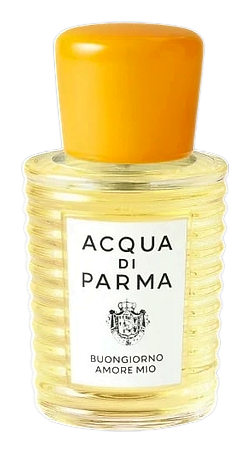
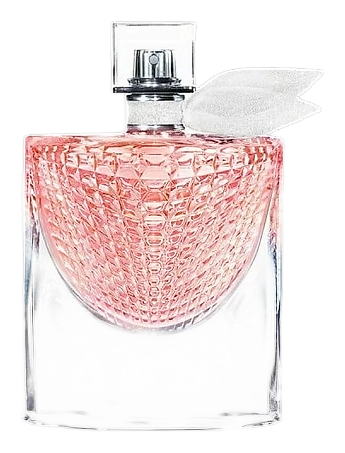
    Fragrances featuring Iris pallida concrete

    Character

    The Story of Iris pallida concrete

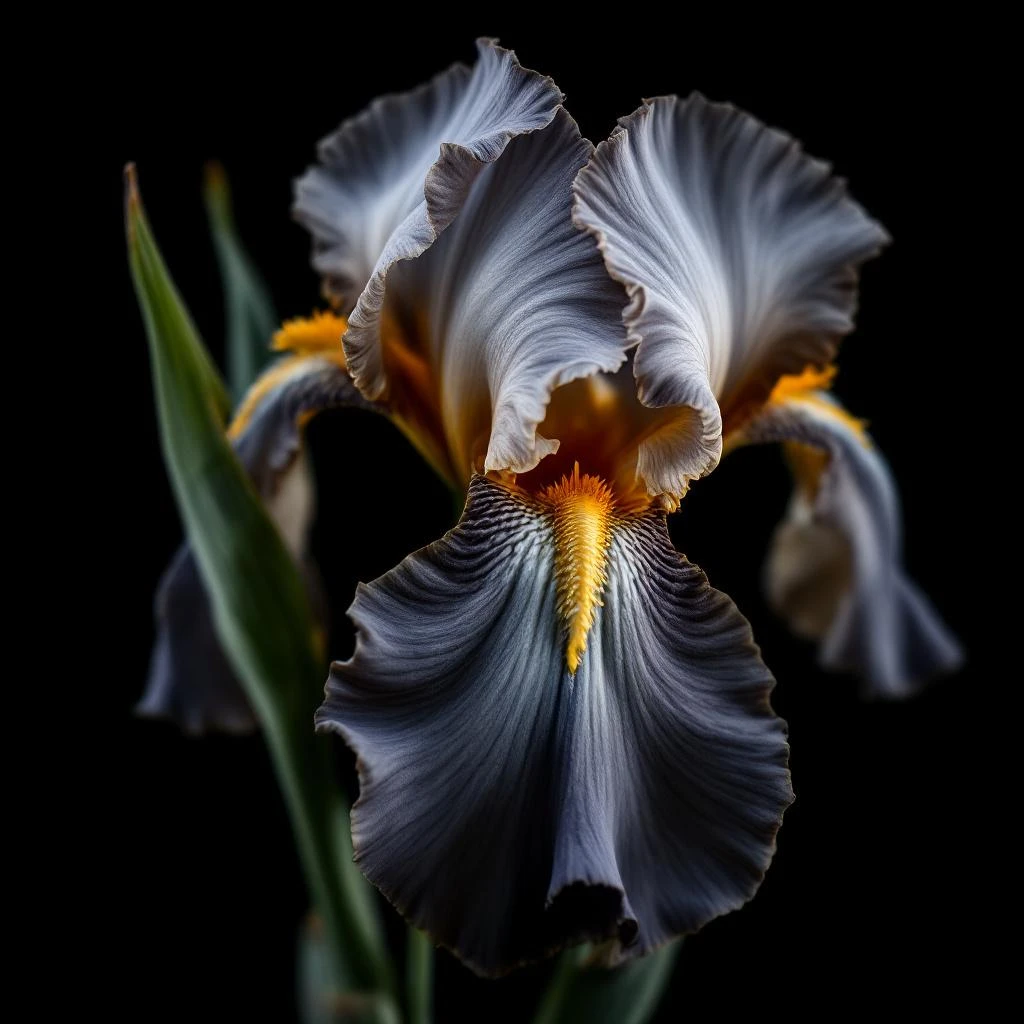
    An ultra‑rich extract from aged iris roots, Iris pallida concrete delivers a powdery, soft floral note prized for its depth and rarity, embodying centuries of meticulous growing.

    Heritage

    Iris pallida entered European perfume culture in the sixteenth century when Catherine de Medici imported the plant from Italy to the French court. Early apothecaries used powdered iris roots as a luxury scent for both men and women, often mixing them with musk and amber. By the eighteenth century, the French aristocracy prized orris powder for its refined, powdery character, and it appeared in royal toilette kits. The industrial era brought steam distillation, allowing perfumers to extract a more stable concrete from aged rhizomes. In the twentieth century, the rise of haute‑cuisine fragrances cemented iris concrete as a cornerstone of elegant compositions, especially in chypre and floral‑woody families. Today, Tuscany in Italy and the Atlas foothills of Morocco dominate production, preserving a tradition that blends art, agriculture, and chemistry across centuries.

    At a Glance

    Fragrances

    2

    Feature this note

    Origin

    Italy

    Primary source region

    Ingredient Details

    Extraction

    Steam distillation

    Used Parts

    Aged rhizomes

    Did You Know

    "A single hectare of iris fields yields only about 30 kg of dried rhizomes after six years, and the concrete extraction recovers less than one gram of oil per kilogram of raw root."

    Production

    How Iris pallida concrete Is Made

    Iris pallida concrete begins with planting iris bulbs in the autumn on calcareous soils. The plant flowers in early spring, then its roots continue to develop for five more years. After a total of six years, growers harvest the rhizomes, wash them, and dry them in shaded barns for several months. The dried roots are aged further to allow aromatic precursors to mature. Once the aging period ends, the rhizomes are coarsely ground and fed into a copper still where steam at 100 °C passes through the material. The steam carries volatile compounds that condense into a thick, amber‑brown oil. This oil, known as iris concrete, represents roughly 0.02 % of the fresh rhizome weight. The remaining solid residue is discarded or used as organic fertilizer. Because the yield is extremely low and the growing cycle spans six years, the process demands careful planning and significant labor, which drives the high market value of the final product.

    Provenance

    Italy

    Italy43.8°N, 11.2°E

    About Iris pallida concrete