Character
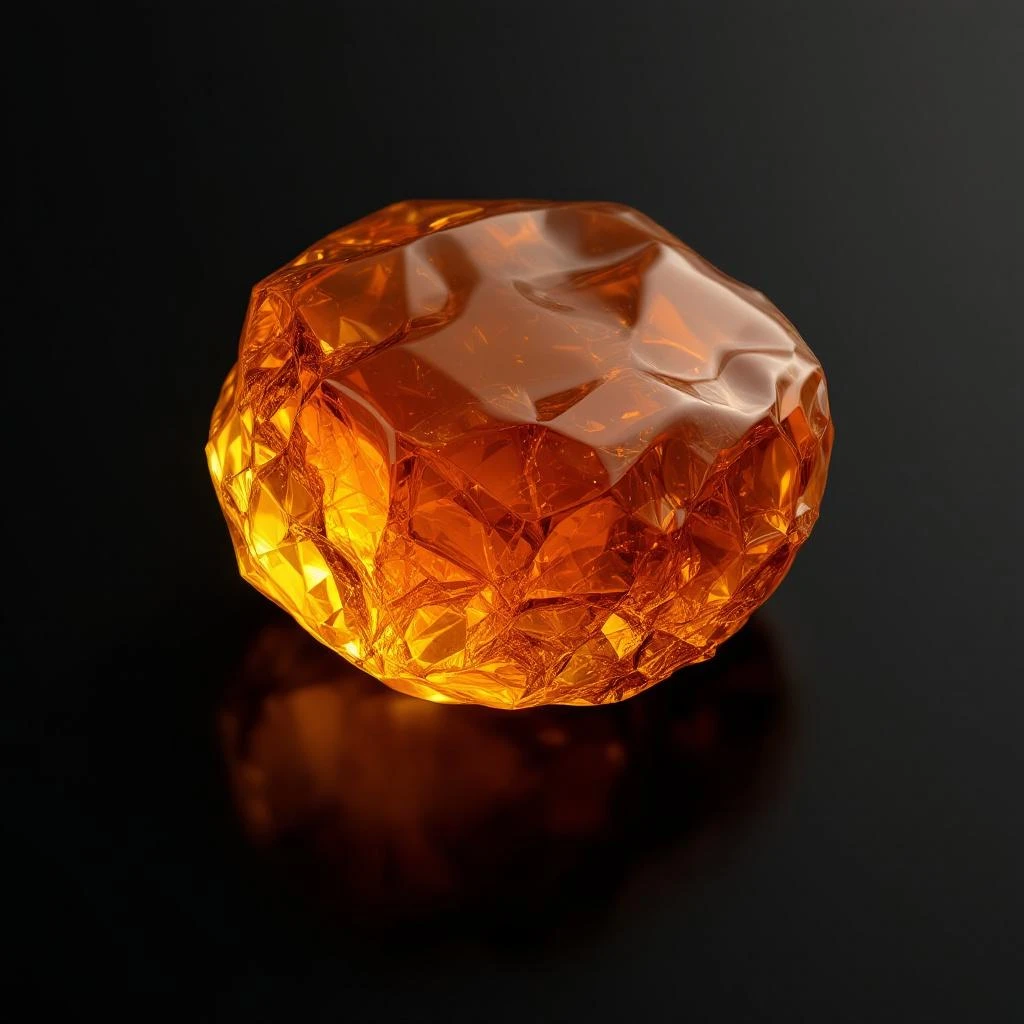
The Story of Inverted Amber
Inverted Amber reimagines the classic accord by flipping its structural logic—vanilla and coumarin lead, while resinous labdanum recedes. The result is a softer, more gourmand warmth that dissolves into skin rather than anchoring it.
Heritage
The concept of 'inverting' amber emerged from 20th-century perfumery's shift toward gourmand aesthetics. While ancient Arabian perfumers first crafted amber accords using labdanum, benzoin, and vanilla for sacred incenses like Kyphi—a blend of honey, wine, and cardamom used in Egyptian temples—modern chemists began deconstructing this trio to suit changing tastes. The term 'Inverted Amber' reflects this structural reversal: by leading with vanilla and tonka rather than the resinous backbone of traditional amber, perfumers created a gentler, more approachable variant. The name itself suggests the accord's unconventional architecture, not a separate ingredient with ancient roots.
At a Glance
1
Feature this note
Global
Primary source region
Ingredient Details
Synthetic
Formulated from vanillin, coumarin, and labdanum derivatives
Did You Know
"In June 2021, Michael Edwards officially renamed the entire 'Oriental' fragrance family to 'Amber'—the first time a fragrance classification shifted for cultural sensitivity."