    Ingredient Profile

    Indian Saffron fragrance note

    Indian saffron, the crimson stigma of Crocus sativus, offers a rare, leathery-spicy aroma that anchors luxury blends with a whisper of earth…More

    India

    1

    Fragrances

    Fragrances featuring Indian Saffron

    Character

    The Story of Indian Saffron

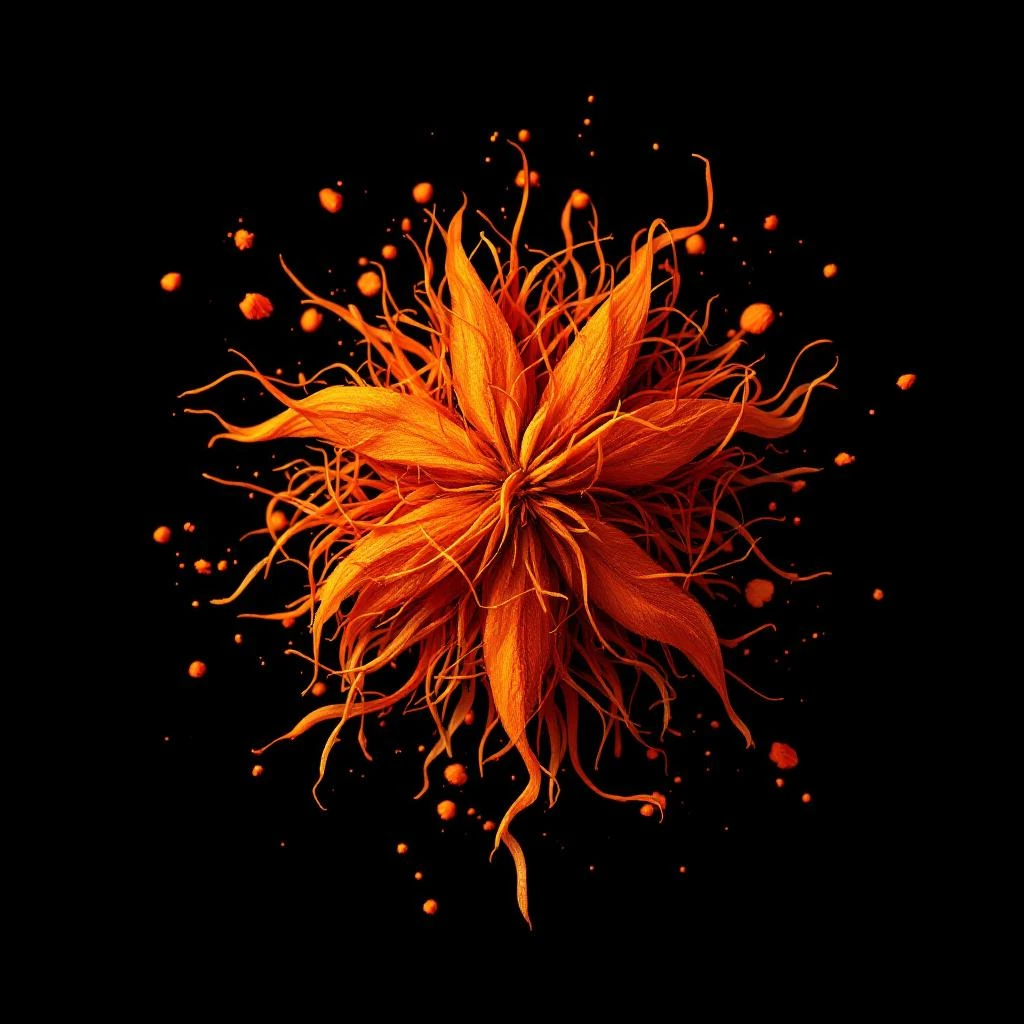
    Indian saffron, the crimson stigma of Crocus sativus, offers a rare, leathery-spicy aroma that anchors luxury blends with a whisper of earth and sun.

    Heritage

    Indian saffron entered the subcontinent through Persian trade routes around the 12th century, quickly becoming a symbol of wealth. Ancient courts of the Mughal empire prized saffron-infused attars, using them in royal ceremonies and as gifts for dignitaries. In the 7th century, the city of Kannauj emerged as a hub for saffron-based ittar, where artisans blended the spice with sandalwood and rose to create enduring scents. Colonial records note that British officers prized saffron-laced colognes for their exotic character. Today, small family farms in Kashmir preserve the same hand-picked methods described in medieval manuscripts, linking modern perfumery to a lineage that spans more than a millennium. Beyond perfume, saffron served as a dye for royal garments and as a medicinal tonic, believed to balance the humors in Ayurvedic practice. Its dual role as color and scent reinforced its status as a precious commodity, driving trade caravans across the Silk Road.

    At a Glance

    Fragrances

    1

    Feature this note

    Origin

    India

    Primary source region

    Ingredient Details

    Extraction

    Solvent extraction

    Used Parts

    Dried stigmas

    Did You Know

    "A single kilogram of Indian saffron requires roughly 150,000 blossoms, making it one of the world’s most labor-intensive spices."

    Production

    How Indian Saffron Is Made

    Indian saffron grows on the high plateaus of Kashmir, where cool nights and bright days protect the crocus flower. Farmers sow corms in late summer, then wait for the brief bloom in autumn. Harvest crews pick each flower by hand, separating the three red stigmas before they wilt. Workers dry the stigmas on fine mesh in shaded rooms, preserving their pigment and aroma. After drying, perfumers extract the volatile oils using ethanol solvent; the mixture rests, then the solvent evaporates, leaving a thick, amber-colored absolute. This absolute contains the characteristic leathery-spicy notes and a faint hint of honey. A typical batch yields about 0.03 % absolute by weight, meaning one ton of dried stigmas produces roughly 300 ml of saffron absolute. Quality labs test each batch for crocin concentration, targeting at least 30 % to ensure richness. The final absolute stores in amber glass at 15 °C, protecting it from light and oxidation.

    Provenance

    India

    India34.1°N, 74.8°E

    About Indian Saffron