Character
The Story of Indian papyrus
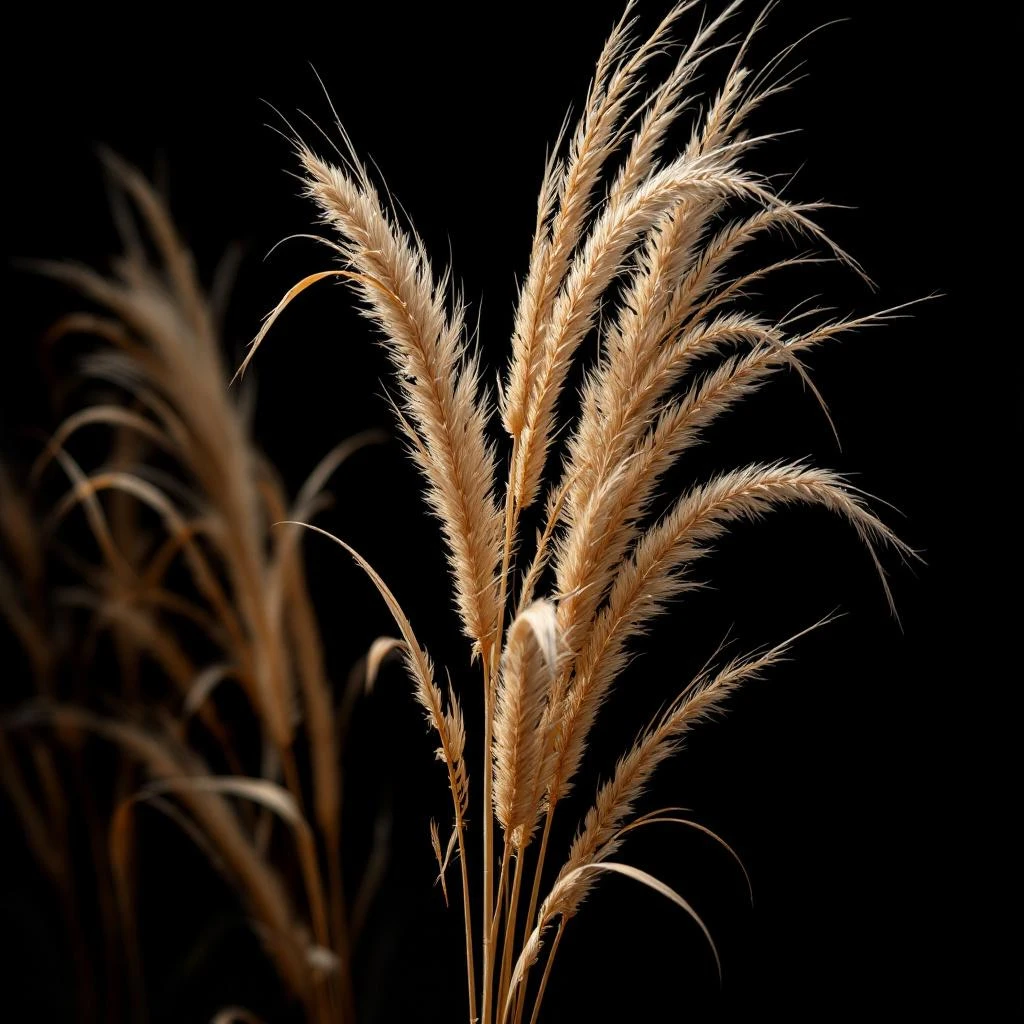
Indian papyrus offers a green, earthy scent that whispers of wet reeds and sun‑kissed marshes, grounding bright notes with a subtle, natural depth.
Heritage
Papyrus has threaded through human culture for millennia, beginning as the writing medium of ancient Egypt and later as a fragrant ingredient. The Ebers Papyrus, dated to 1500 BCE, records a recipe that mixes papyrus oil with honey, frankincense, and other botanicals to create a sacred scent for temple rites. Egyptian priests burned the mixture during offerings, believing its aroma connected the mortal and divine. Greek scholars adopted the oil after Alexander’s campaigns, and Roman texts describe papyrus as a base note in luxury perfumes. In the Indian subcontinent, archaeological finds from the Indus Valley (3300–1300 BC) include residues of papyrus in burial chambers, suggesting early ritual use. By the Ptolemaic period, papyrus oil traveled along trade routes to the Mediterranean, where it appeared in documented perfume formulas. Its enduring presence reflects a rare continuity: a plant that supplied both paper and perfume across continents and epochs.
At a Glance
1
Feature this note
India
Primary source region
Ingredient Details
Steam distillation
Rhizome
Did You Know
"The Ebers Papyrus, a 1500 BCE Egyptian medical text, lists papyrus oil among nine ingredients in a honey‑based perfume, making it one of the world’s oldest recorded fragrance components."