Character
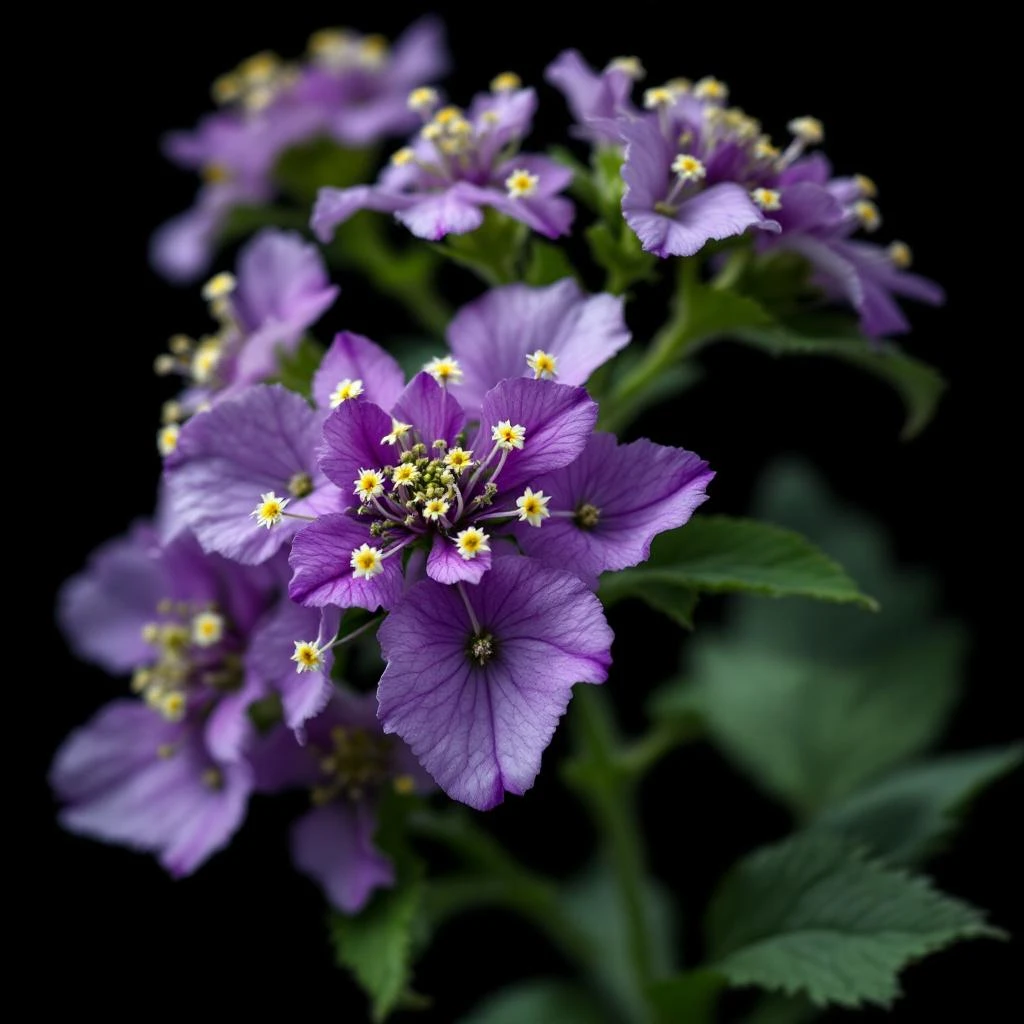
The Story of Indian heliotrope
Indian heliotrope offers a sweet, powdery almond scent that anchors many modern blends. Grown in the sub‑tropical valleys of India, its fragrant petals yield an absolute prized for its warm, comforting character.
Heritage
Ancient Egyptian texts record heliotrope as a sacred offering, burned to honor the sun god Ra. Traders carried the plant eastward, where it found a home in India's aromatic gardens. By the 12th century, Indian monks used heliotrope petals in ritual incense, noting its calming effect. During the Mughal era, court perfumers blended heliotrope with sandalwood and rose to craft opulent attars for royalty. The British colonial period introduced heliotrope to European perfume houses, where French chemists isolated the heliotropin molecule in 1865, confirming its sweet almond character. In the early 1900s, Kannauj's attar makers refined solvent extraction, allowing the note to travel beyond attars into modern Eau de Parfums. Today, Indian heliotrope remains a staple in both niche and mainstream fragrances, valued for its warm, comforting profile that bridges historic tradition with contemporary design.
At a Glance
1
Feature this note
India
Primary source region
Ingredient Details
Solvent extraction
Flower petals
Did You Know
"The heliotropin molecule, first isolated in 1865, accounts for nearly one‑third of the aroma profile of Indian heliotrope absolute, giving it a distinctive almond‑vanilla nuance."