Character
The Story of Indian Ginger
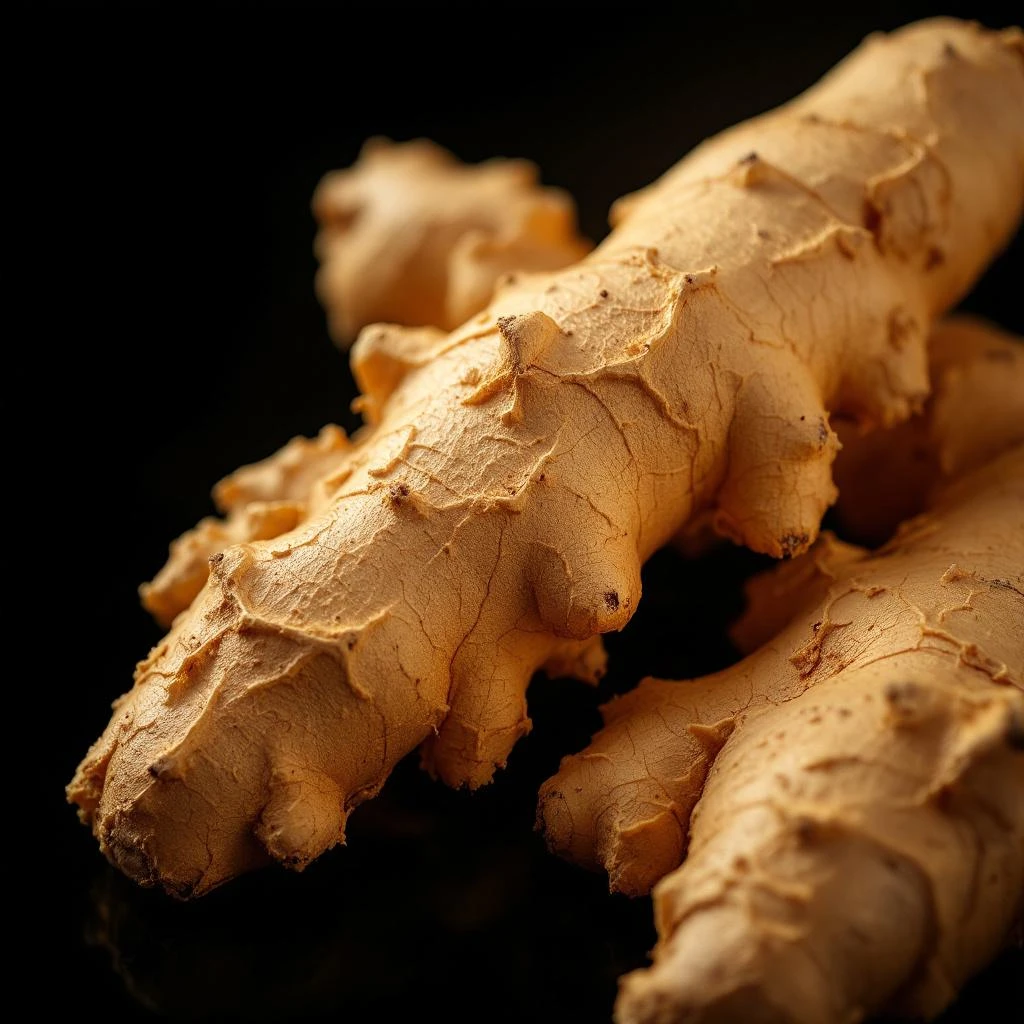
Indian ginger bursts with bright, peppery zest and a warm, woody edge, recalling the fresh snap of a market stall in Kerala while delivering a clean, invigorating spice that awakens the senses.
Heritage
Indian ginger has walked the spice routes for millennia, first appearing in the clay tablets of the Indus Valley Civilization around 3000 BC. Archaeologists uncovered ginger residues in ceremonial vessels, suggesting early aromatic use alongside incense. By the first millennium AD, traders carried the rhizome across the Silk Road, where it entered Persian perfumery as a warming accent. In the 16th century, the perfume capital of Kannauj embraced ginger as a core material, blending it with sandalwood and musk for courtly fragrances. Local artisans still grind the spice by hand before feeding it to steam stills, a practice that links modern perfumers to their ancestors. Today, the spice’s bright heat appears in niche scents that honor its heritage, while scholars note that ginger’s aromatic profile helped shape the olfactory language of South Asian fragrance for over five thousand years.
At a Glance
1
Feature this note
India
Primary source region
Ingredient Details
Steam distillation
Fresh or dried rhizomes
Did You Know
"The essential oil of Indian ginger can contain up to 30 % zingiberene, a sesquiterpene that also gives fresh ginger its characteristic heat, making it one of the most pungent natural aromatics used in perfumery."