Icing Pink
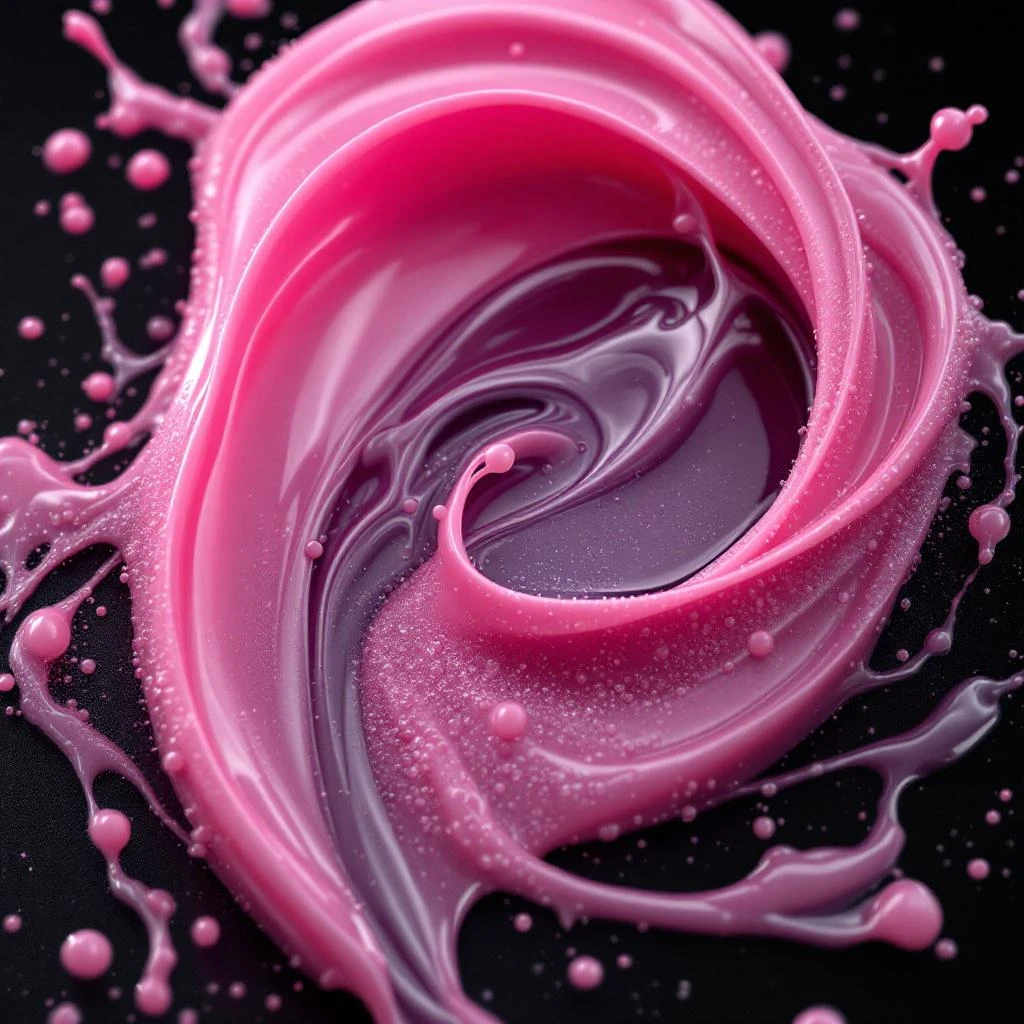
Icing Pink is a sweet, powdery rose-vanilla accord that evokes confectionery warmth and sugared petals. In perfumery, it functions as a heart-to-base note, lending gourmand softness and a lingering creamy trail that rounds out sharper top notes.
Character
How it smells
Sugared petals and velvet sweetness captured in a single accord.
Some Icing Pink accords contain over a dozen aromatic chemicals layered to mimic the scent of pink frosting.






Origin
France
Icing Pink emerged from the post-war revolution in synthetic aromatic chemistry, when fragrance houses began moving beyond single-molecule synthetics toward complex accords. By the 1980s and 1990s, feminine fragrances increasingly incorporated sweet powdery notes influenced by confectionery and food aromas.
The modern confectionery fragrance trend traces roots to historical practices: the ancient Greeks and Romans used sweet-smelling unguents, and medieval Arabs developed early fruit-scented perfumes. However, the precise confectionery aesthetic of Icing Pink belongs entirely to contemporary perfumery, reflecting modern consumer preferences for edible, approachable scent profiles that break from traditional heavy florals or chypres.
Wears it best
Fragrances featuring Icing Pink
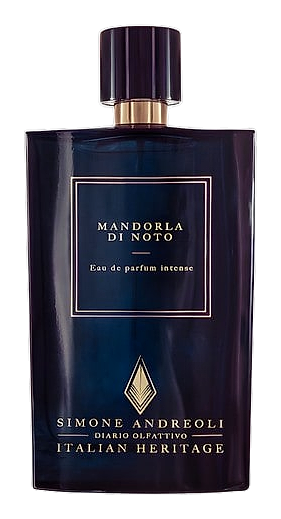
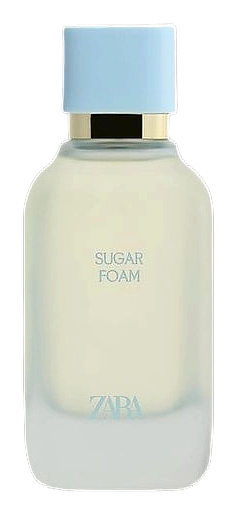
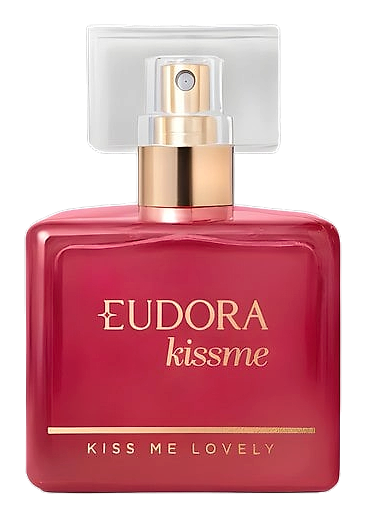
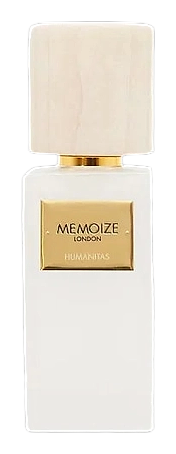

Brands
Brands known for Icing Pink
Good to know
Questions, answered
The essentials on Icing Pink in perfumery: how it smells, where it comes from, and how it behaves on skin.
What does Icing Pink smell like in perfume?
Icing Pink smells like sweet rose with powdery vanilla undertones, evoking pink frosting or candied petals. It provides a warm, edible sweetness that reads as both floral and confectionery, creating an immediately approachable and comforting aura in fragrance compositions.
Why is Icing Pink used in perfumery?
Icing Pink adds warmth, sweetness, and a gourmand softness to fragrances that might otherwise feel sharp or too masculine. Perfumers use it as a bridging note between bright florals and deeper base elements, creating roundness and extending the perceived longevity of heart notes.
Is Icing Pink in perfume natural or synthetic?
Icing Pink is synthetic. It consists of lab-created aromatic chemicals blended to mimic the scent of confectionery rose. This ensures batch-to-batch consistency and allows perfumers to achieve a specific sweet-powdery effect without relying on natural extracts that vary by harvest.
What famous perfumes contain Icing Pink?
While specific formulations remain proprietary, Icing Pink-style accords appear in numerous popular feminine fragrances from houses including Chloé, Lancôme, and Viktor & Rolf. It has become particularly common in designer fragrances released since the year 2000.
Is Icing Pink a top note, heart note, or base note?
Icing Pink typically functions as a heart-to-base note. Its分子 weight and evaporation rate place it in the middle-to-dry-down range of fragrance pyramids, making it ideal for providing sweetness that lingers after top notes dissipate.
What notes pair well with Icing Pink in perfume?
Icing Pink pairs well with vanilla, white musks, peony, lychee, and bergamot. These combinations amplify its confectionery character while adding either warmth (vanilla, musks) or brightness (citrus, lychee) to prevent the accord from becoming flat.
How is Icing Pink extracted?
Icing Pink is not extracted from plant material. It is synthesized through controlled chemical reactions in fragrance laboratories, combining aromatic aldehydes, ketones, and ester compounds. This process produces consistent results batch after batch, unlike natural extraction which varies with seasonal and geographic factors.
Is Icing Pink used in men's or women's fragrances?
Icing Pink appears predominantly in women's fragrances, particularly those targeting consumers who prefer sweet, approachable scents. However, it occasionally appears in unisex fragrances and occasionally in men's formulations where perfumers seek to soften traditionally masculine woody or aromatic bases.