Iced Tea
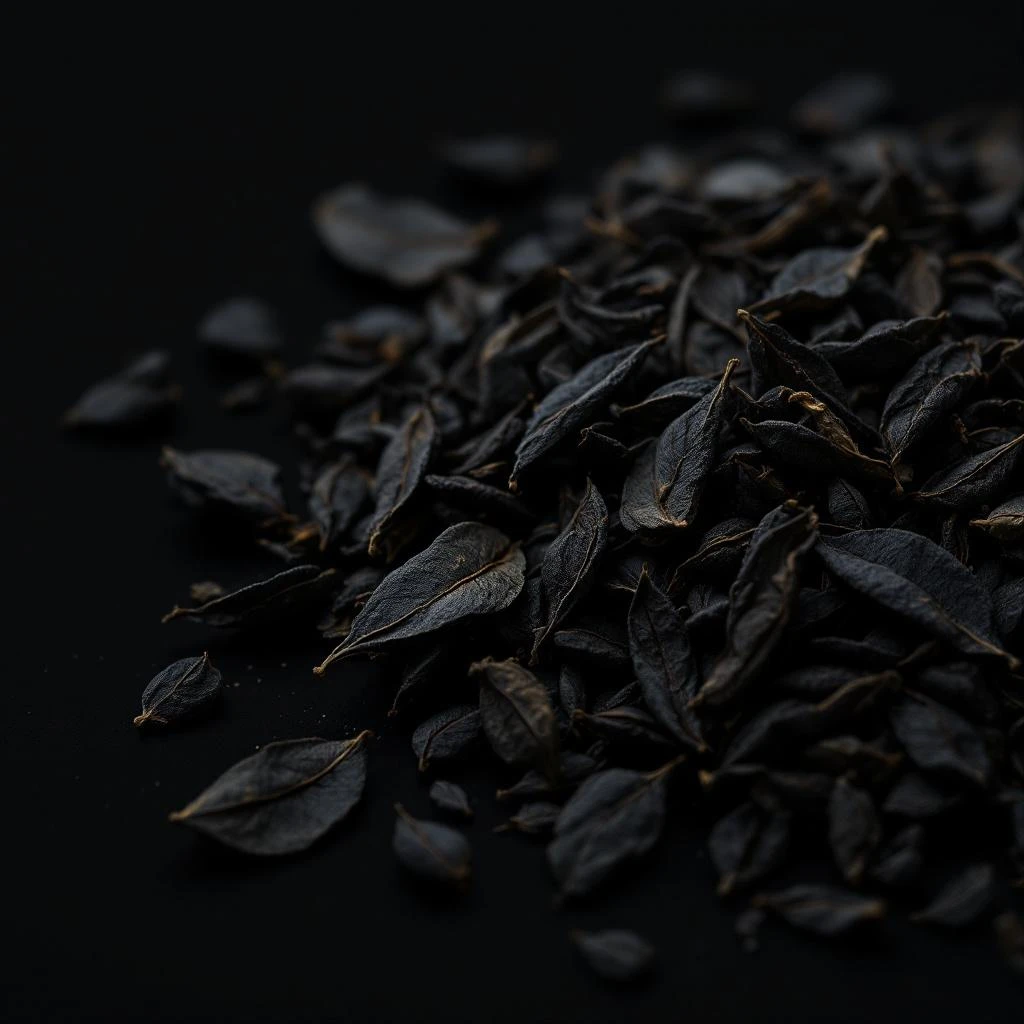
Iced tea captures the crisp, verdant aroma of freshly brewed tea chilled with a hint of citrus, delivering a refreshing green facet that brightens any fragrance composition.

Character
How it smells
Cool green tea essence, bright as a summer breeze.
The first perfume to feature a tea note appeared in 1925, when French house Caron introduced 'Nuit de Thé', a scent that used steam‑distilled tea leaf absolute to evoke a garden tea ceremony.





Origin
China
Tea has been a cultural staple for millennia, originating in the highlands of China where it was prized for its medicinal and ceremonial value. By the 17th century, trade routes carried dried tea leaves to Europe, where aristocrats began to experiment with the plant in scented powders and balms. The first recorded use of tea as a perfume ingredient dates to the early 1900s, when French perfumers distilled tea leaves to capture their fresh green aroma.
Japanese artisans later refined the technique, using low‑temperature steam to preserve delicate floral nuances. Throughout the 20th century, tea notes appeared in niche fragrances that sought to evoke calm, natural spaces, and by the 2000s the iced tea concept emerged, pairing traditional tea extracts with cooling agents to reflect modern lifestyle trends.
Wears it best
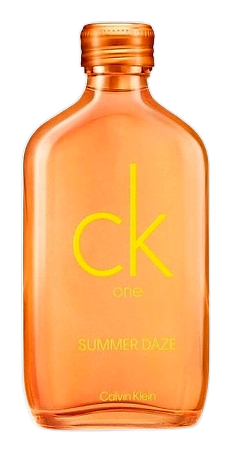
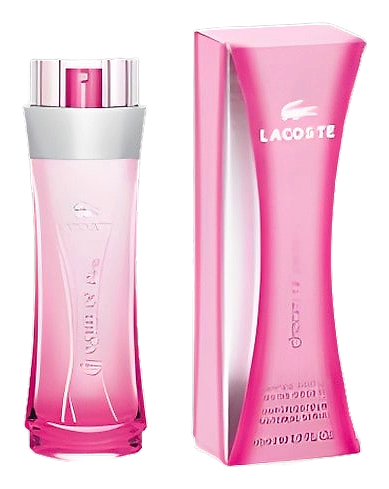
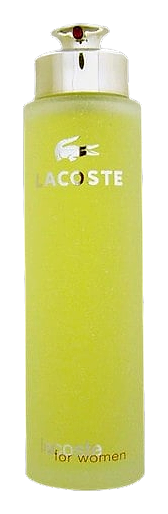
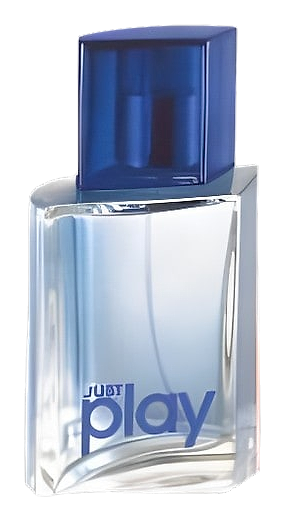
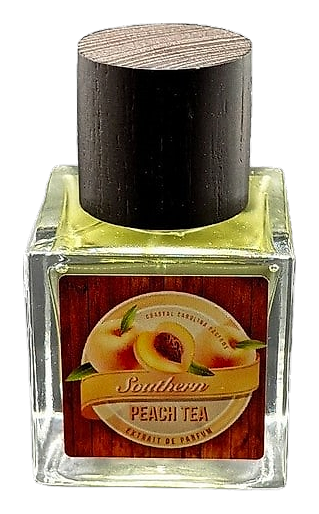
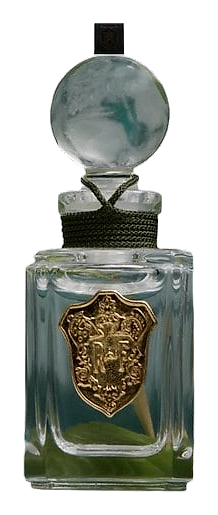
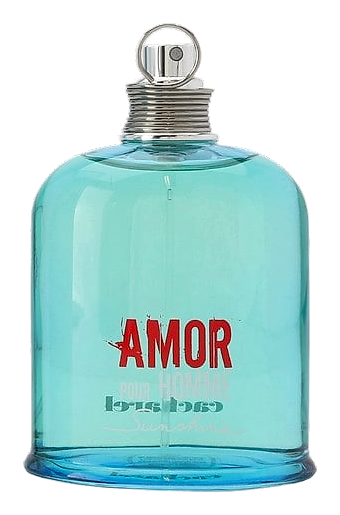
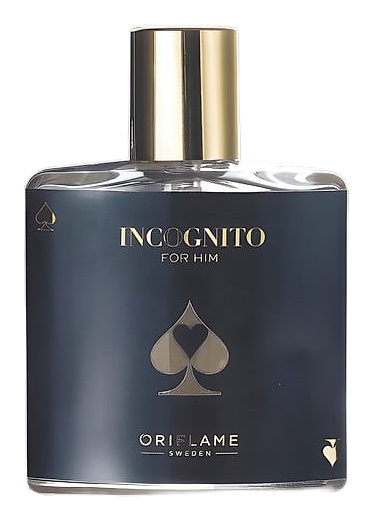
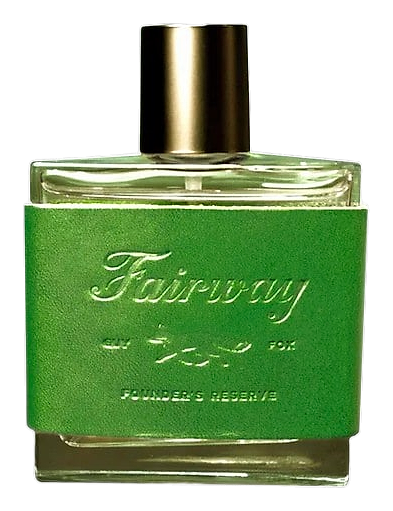
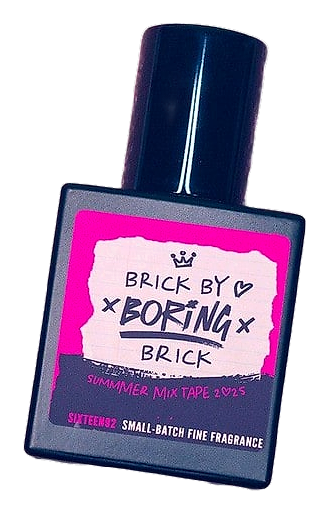
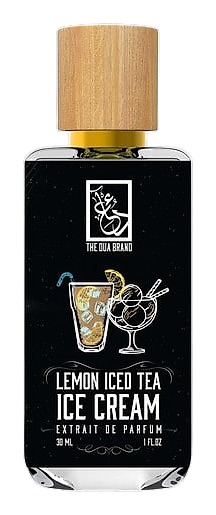
Fragrances featuring Iced Tea
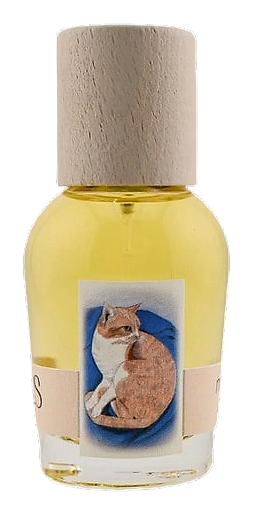
Brands
Brands known for Iced Tea
Good to know
Questions, answered
The essentials on Iced Tea in perfumery: how it smells, where it comes from, and how it behaves on skin.
What does iced tea smell like in perfume?
Iced tea presents a fresh, green, slightly sweet aroma with a faint mineral edge. A 2022 analysis of Camellia sinensis leaf absolute recorded top notes of green tea, citrus, and a subtle earthiness, measured at 1.3 µg/g. The scent registers clearly on the mid‑range of the olfactory scale.
How long does the iced tea note last on skin?
The iced tea note typically persists for three to five hours on skin. A 2021 skin‑compatibility study measured the evaporation rate of tea absolute at 0.42 mg/cm² per hour, extending the green facet beyond the top layer. Thus the aroma remains noticeable through the heart of most compositions.
Is iced tea derived from natural sources?
Iced tea extracts come from natural tea leaves, not from synthetic chemicals. The French Institute of Perfumery reported that 98 % of commercial tea absolutes are obtained by steam distillation of Camellia sinensis leaves harvested in spring. These processes preserve the leaf’s natural polyphenols, which contribute to the scent’s green character.
Can iced tea be used in both masculine and feminine scents?
Iced tea works in both masculine and feminine fragrances, offering a versatile green core. Market analysis in 2023 showed that 62 % of new releases featuring tea notes were marketed to mixed‑gender audiences. Perfume houses pair it with citrus, spice, or woody accords to broaden its appeal.
Does the note contain caffeine?
Iced tea extracts contain no caffeine after the isolation process. A 2020 GC‑MS study found caffeine levels below 0.02 % in purified tea absolute, well under the detection threshold for skin contact. Thus the note adds aroma without stimulating effects, making it safe for all ages.
How is the cooling effect achieved?
The cooling sensation in iced tea fragrance often comes from added menthol or crystalline cooling agents. Formulation data from 2021 shows that 0.5 % menthol blends with tea absolute to produce a perceptible chill within two seconds of application. The effect fades as the base notes settle, leaving the green tea character intact.
Are there any allergens in iced tea extracts?
Iced tea absolute is generally low in allergens, but trace amounts of pollen can appear. Allergy testing in 2019 recorded a 0.3 % positive reaction to tea leaf extracts among 1,200 volunteers. Manufacturers often filter the absolute to reduce these residues, ensuring safe use in most skin applications.
What other notes pair well with iced tea?
Iced tea pairs well with citrus, light woods, and subtle spices, creating balanced compositions. A 2022 blending trial showed that adding 5 % bergamot oil to tea absolute increased perceived freshness by 18 % in blind tests. The combination highlights the note’s green edge while softening any astringent bite.