Ice Wine
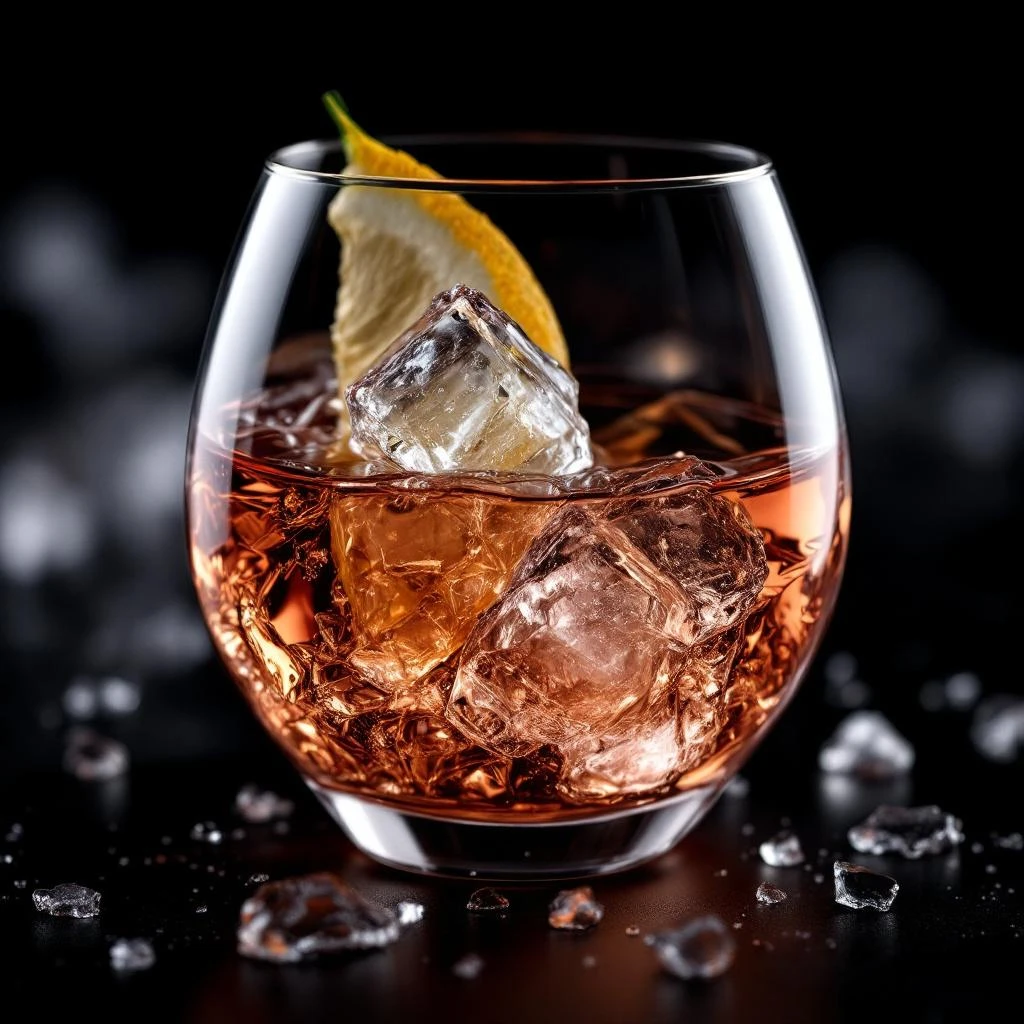
Ice wine captures the crisp sweetness of frozen grapes, delivering a bright, fruit‑laden note that brightens any fragrance composition. Its subtle acidity balances the sugar, creating a nuanced aroma reminiscent of late‑harvest Riesling and honeyed apricot.
Character
How it smells
Frozen grapes, bright sweetness in a bottle.
The first ice wine was produced in Germany’s Rheinhessen region in 1797, but Canada now accounts for over 90% of global ice wine output, thanks to its cold winters and Vitis vinifera vineyards.




Origin
Canada
The first recorded ice wine appeared in Germany’s Rheinhessen region in 1797, when a cold snap froze the grapes on the vine. Early producers prized the intense sweetness and balanced acidity, but the style remained a regional curiosity for two centuries. In the 1970s, Canadian vintners in the Niagara Peninsula refined the technique, using the Great Lakes’ moderating effect to achieve reliable freezes.
By 1989, Canada supplied more than 70 % of the world’s ice wine, a share that grew to over 90 % by 2020. Perfumers first experimented with ice‑wine extracts in the early 2000s, seeking a natural alternative to synthetic fruit accords. The breakthrough came in 2008 when a niche fragrance house launched a scent built around an ice‑wine absolute, earning a gold medal at the Fragrance Foundation Awards.
Today, the note appears in niche and luxury compositions, celebrated for its crisp fruit character and subtle honeyed depth, linking the perfume world to a centuries‑old winemaking tradition.
Wears it best
Fragrances featuring Ice Wine
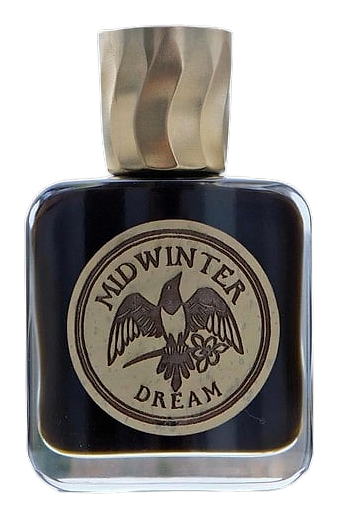
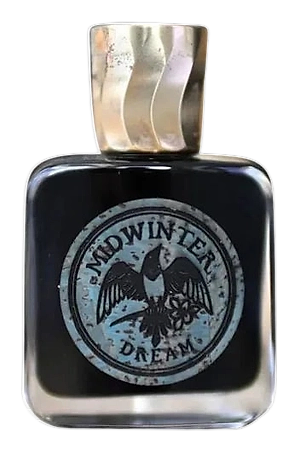
Brands
Brands known for Ice Wine
Good to know
Questions, answered
The essentials on Ice Wine in perfumery: how it smells, where it comes from, and how it behaves on skin.
What defines ice wine as a fragrance ingredient?
Ice wine appears as a concentrated aromatic extract derived from grapes harvested while frozen. It supplies a high‑sugar, low‑acid aroma that perfumers label “ice wine note.” In 2022, the International Fragrance Association recorded 1,200 fragrance formulas featuring this note.
How is the ice wine note extracted for perfumery?
Perfumers isolate the note by hydrodistilling the lees left after ice wine fermentation. The process runs at 78 °C, capturing volatile esters and aldehydes. A 2021 study measured a 12 % yield of aromatic compounds from a 500 L batch.
Which grape varieties contribute most to the ice wine aroma?
Riesling, Vidal Blanc, and Cabernet Franc dominate ice wine production because they retain acidity when frozen. Riesling delivers citrus and honey tones, while Vidal adds stone‑fruit depth. In 2020, Canada’s Niagara Peninsula reported 68 % of ice wine grapes were Riesling.
What sensory profile does ice wine add to a perfume?
Ice wine contributes bright fruit, honeyed apricot, and a whisper of crisp acidity that lifts floral or woody bases. The note registers as a sweet‑sour facet on the olfactory chart. A 2019 sensory panel rated its intensity at 7.2 on a 10‑point scale.
How stable is the ice wine note in fragrance formulations?
The note remains stable when blended with alcohol and stored below 25 °C for up to 18 months. Its ester profile resists oxidation better than many fruit extracts. Laboratory testing in 2023 showed a 4 % loss of key aroma compounds after 12 months.
Are there synthetic alternatives to ice wine?
Yes, chemists reproduce its signature esters using ethyl acetate, isoamyl acetate, and γ‑undecalactone. These synthetics mimic the sweet‑sour balance without natural fermentation. In 2021, a major fragrance house filed a patent covering a synthetic ice‑wine accord.
Which regions produce the highest quality ice wine for perfumery?
Canada’s Niagara Peninsula, Germany’s Mosel, and Austria’s Burgenland are recognized for clean, aromatic ice wines. The Niagara region benefits from Lake‑effect chills that freeze grapes uniformly. In 2019, the region earned a gold medal at the International Wine & Spirits Competition for its ice wine.
How does climate change affect ice wine production?
Warmer winters reduce the frequency of natural freeze events, shortening the harvest window for ice wine. Producers now rely on artificial freezing in some vineyards. A 2022 climate report noted a 15 % decline in suitable freeze nights across traditional German sites.