Ice Accord
Ice accord translates the tactile sensation of cold into scent. Built from ozonic and cooling molecules, this fantasy note captures the crisp clarity of frozen air, delivering a moment of arctic freshness that sharpens and elevates any composition.

Character
How it smells
The chill of winter, bottled.
Before ice accord existed, perfumers could evoke warmth through spices and smoky notes but had no reliable way to capture cold.





Origin
Laboratory origin
Ice accord represents one of perfumery's most inventive achievements: translating an physical sensation into scent. Before the late 20th century, perfumers could evoke warmth through spices, smoky notes, and desiccated materials, but coldness remained elusive. Only menthol offered genuine cooling, and aldehydes provided a fleeting cold impression in classic fragrances.
The breakthrough came with advances in synthetic chemistry and the discovery of ozonic molecules that could trigger the sensation of freshness. Calone's 1989 patent marked a turning point. Suddenly, perfumers possessed tools to construct the feeling of arctic air.
The first commercial ice accords appeared around 2004, and the concept rapidly gained traction in fresh, modern fragrances. B by Balenciaga and Marc Jacobs Daisy Sorbet established ice accord as a commercial standard, demonstrating how it could bring a numbing, snow-like freshness to compositions. Today, ice accord appears in approximately 265 perfumes and continues evolving, even inspiring experimental techniques like freezing actual fragrance ingredients before processing.
Wears it best
Fragrances featuring Ice Accord
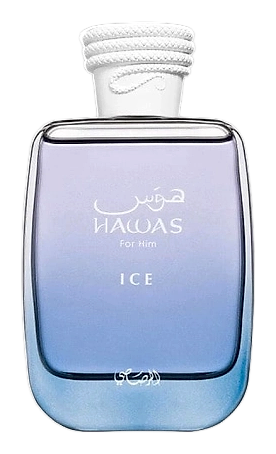

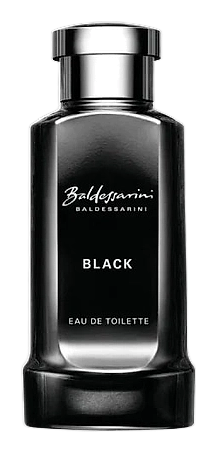
Brands
Brands known for Ice Accord
Good to know
Questions, answered
The essentials on Ice Accord in perfumery: how it smells, where it comes from, and how it behaves on skin.
What exactly is ice accord in perfumery?
Ice accord is a fantasy note, not a natural ingredient. It mimics the sensation of cold using synthetic molecules like Calone, dihydromyrcenol, menthol, and eucalyptol that trigger cold receptors in the nose and skin.
Does ice accord smell like actual ice?
Ice itself has no odor. Ice accord smells cool, crisp, and airy, combining ozonic freshness with mentholated coolness and aldehydic sparkle to evoke frozen air or chilled water.
When was ice accord first introduced?
Commercial ice accords debuted around 2004, building on Calone's 1989 patent. Today, approximately 265 perfumes feature this accord, with usage continuing to grow.
How long does ice accord last on skin?
As a top note, ice accord typically lasts 15 to 30 minutes on skin. Its fleeting nature makes it an opening statement that prepares the nose for the heart notes that follow.
Is ice accord natural or synthetic?
Ice accord is purely synthetic. Coolness cannot be extracted or distilled, so perfumers construct it from aroma chemicals that trigger cold receptors in the skin.
Which fragrances showcase ice accord most effectively?
B by Balenciaga and Marc Jacobs Daisy Sorbet feature ice accords alongside lily of the valley and citruses. The Different Company De Bachmakov demonstrates how aldehydes and bergamot combine with ice for a snow-like effect.
How does skin chemistry affect ice accord performance?
Ice accords dissipate rapidly as top notes, typically lasting 15 to 30 minutes on skin. Body temperature influences projection. Cooler skin holds the effect slightly longer, while warmer skin accelerates its departure.
What ingredients complement ice accord in layering?
Ice accord pairs naturally with ozonic molecules, aquatic notes, and fresh citruses to amplify its cool character. It also works with saline and green notes to create frozen, sorbet-like effects.