Hortensia
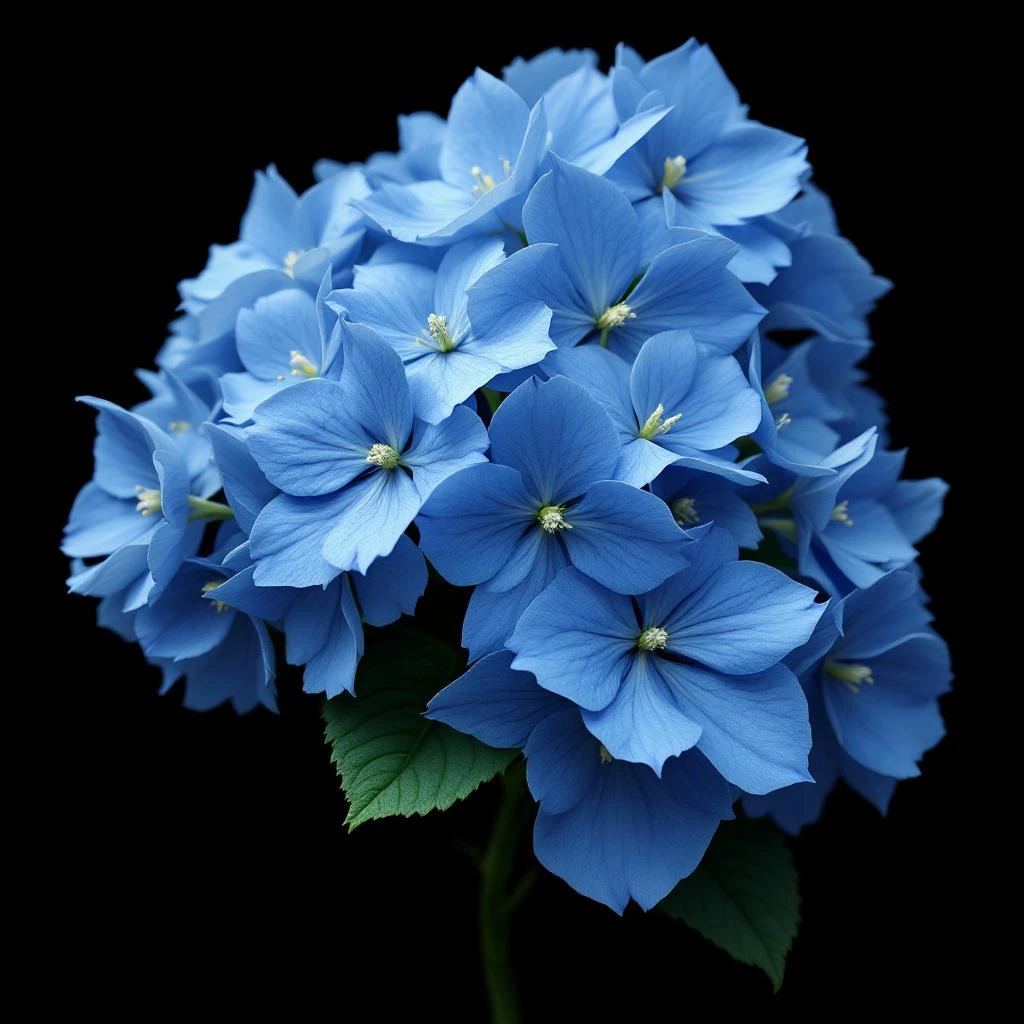
Hortensia contributes a delicate, green-floral character to perfume. Its scent is subtle and fresh, often described as watery and dewy, evoking the look of the flower itself rather than a bold aromatic presence. In modern perfumery, hortensia is rarely available as a natural material and is more commonly recreated synthetically.
Character
How it smells
A delicate, dewy floral that captures garden freshness in a bottle.
Hydrangea flowers change color based on soil pH. Acidic soil produces blue blooms, while alkaline soil shifts them to pink, a result of aluminum absorption by the plant.








Origin
Japan
Hydrangea macrophylla, the species most commonly associated with the name Hortensia, originates from Japan where it has been cultivated for centuries in ornamental gardens. The plant arrived in Europe during the 18th century through botanical collectors who encountered it during expeditions to Japan, where Japanese horticulturalists had already developed sophisticated cultivation techniques spanning multiple varieties. The French name Hortensia emerged during this period of European botanical discovery and became the standard designation in horticultural circles across the continent.
While hydrangeas became a fixture in European ornamental gardens, particularly in France, their use in perfumery developed much later. The delicate flowers lack the concentrated aromatic properties that made rose, jasmine, or lavender practical for traditional extraction, limiting their role in historical fragrance production. Modern fragrance chemistry has changed this dynamic.
Fragrance houses can now analyze and recreate the hortensia profile through advanced extraction and synthesis techniques, giving perfumers access to this green, dewy character without relying on natural material that would be difficult to produce consistently. The result is a fragrance ingredient that carries the spirit of the garden flower into modern compositions, with hortensia appearing in a range of contemporary fragrances as a fresh, gender-flexible accent note.
Wears it best
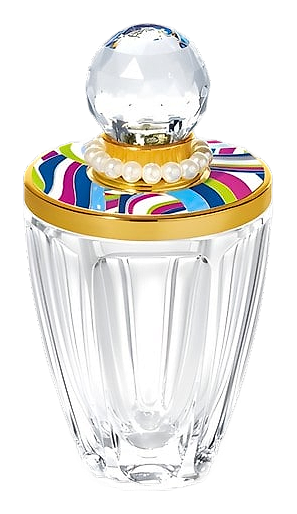
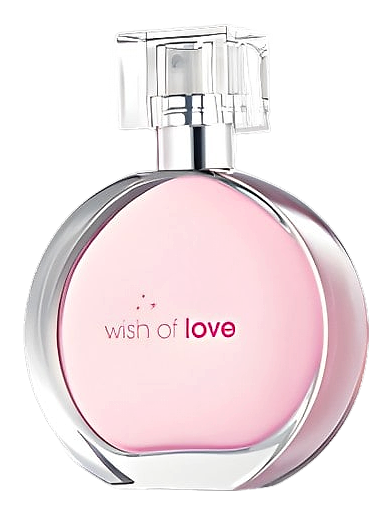
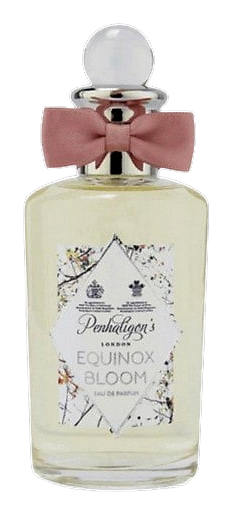
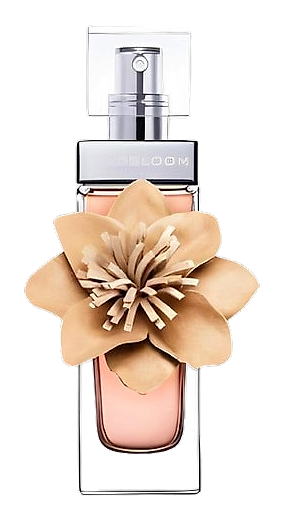
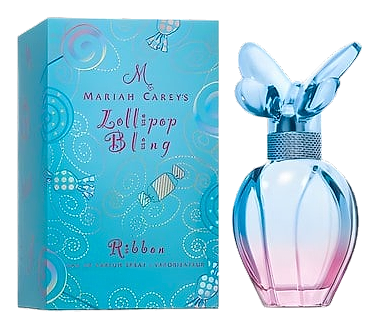
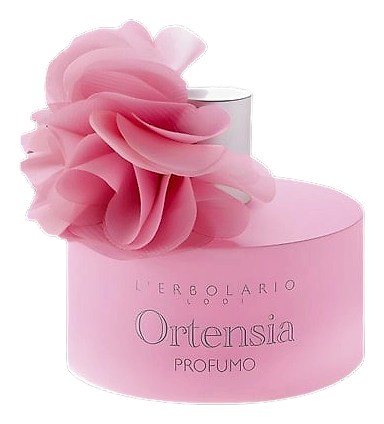
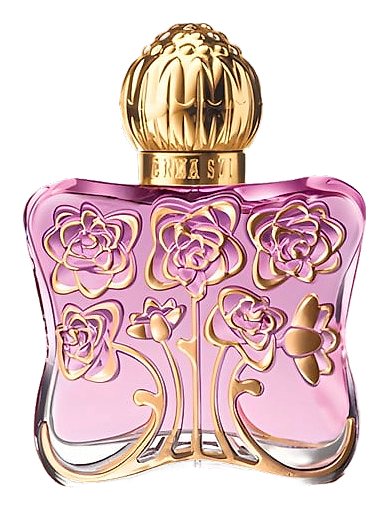
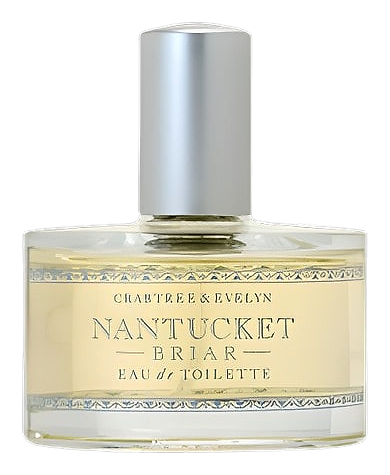
Fragrances featuring Hortensia
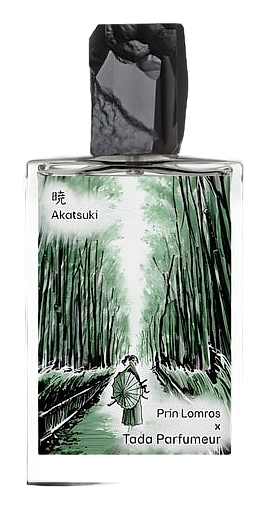
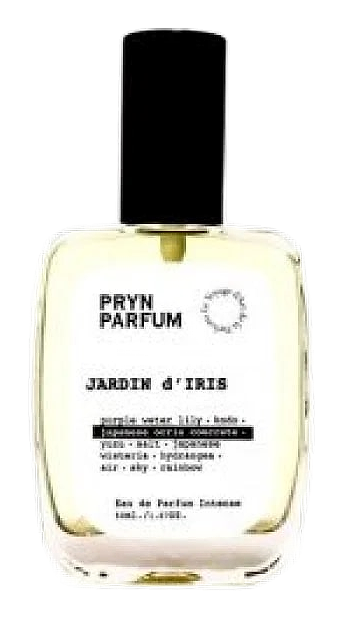
Brands
Brands known for Hortensia
Good to know
Questions, answered
The essentials on Hortensia in perfumery: how it smells, where it comes from, and how it behaves on skin.
What does Hortensia smell like in perfume?
Hortensia in perfume typically presents as a light, green-floral note with a fresh, watery quality. It evokes the dewy, garden-fresh appearance of the flower rather than a bold aromatic presence. When recreated through fragrance chemistry, it contributes a subtle freshness that works well in spring and summer fragrance compositions.
Why is Hortensia used in perfumery?
Hortensia is used in perfumery for its fresh, dewy green-floral character that adds a natural garden quality to fragrances. Natural hortensia material is extremely limited, with the flowers containing minimal aromatic compounds, making extraction impractical at scale. Perfumers turn to it for its ability to suggest fresh, blooming garden atmospheres in modern scent compositions.
Is Hortensia in perfume natural or synthetic?
Hortensia in perfume is almost always synthetic or recreated. Natural hortensia material is virtually nonexistent in the fragrance industry. The flowers contain negligible oil content, making natural extraction commercially unviable. Perfumers use headspace technology to analyze the scent profile and recreate it through synthesis or blended aromatic accords.
What famous perfumes contain Hortensia?
Hortensia rarely appears as a prominent listed note in mainstream perfumes. When it does show up in fragrance compositions, it functions as a supporting element rather than a starring note, contributing freshness and garden character to the overall blend. Check specific fragrance ingredient lists for individual products.
Is Hortensia a top note, heart note, or base note?
Hortensia functions primarily as a heart note in perfume composition. Its fresh, dewy floral character sits in the middle of fragrance development, adding garden freshness to the heart without projecting as strongly as citrus or sharp top notes. The delicate quality makes it most effective when woven into the central portion of a fragrance blend.
What notes pair well with Hortensia in perfume?
Hortensia pairs well with green and fresh notes like galbanum, violet leaf, and crushed leaves for an energetic garden effect. Watery florals such as lotus and water lily complement its dewy character. Lighter woody bases including white cedarwood and soft musks round out compositions featuring hortensia. The note works across gender boundaries, pairing equally well with rose or peony in feminine blends or with aromatic and citrus elements in masculine scents.
Where does Hortensia come from?
Hortensia (Hydrangea macrophylla) is native to East Asia, particularly Japan, China, and Korea, where the plant has been cultivated as an ornamental garden flower for centuries. While hydrangeas have a long history in East Asian horticulture, they were not traditionally used in perfumery because the flowers lack sufficient aromatic compounds for standard extraction methods. Modern perfumers recreate the scent profile using headspace technology and aromatic synthesis.
Is Hortensia used in men's or women's fragrances?
Hortensia is a gender-flexible note in modern perfumery. Its fresh, green-floral character appears across women's, men's, and unisex fragrances depending on the composition. The note brings a garden-fresh, dewy quality that works well in masculine aromatic blends as a fresh accent, in feminine florals as a light supporting element, and in unisex compositions as a natural bridge between different fragrance families.