Hops
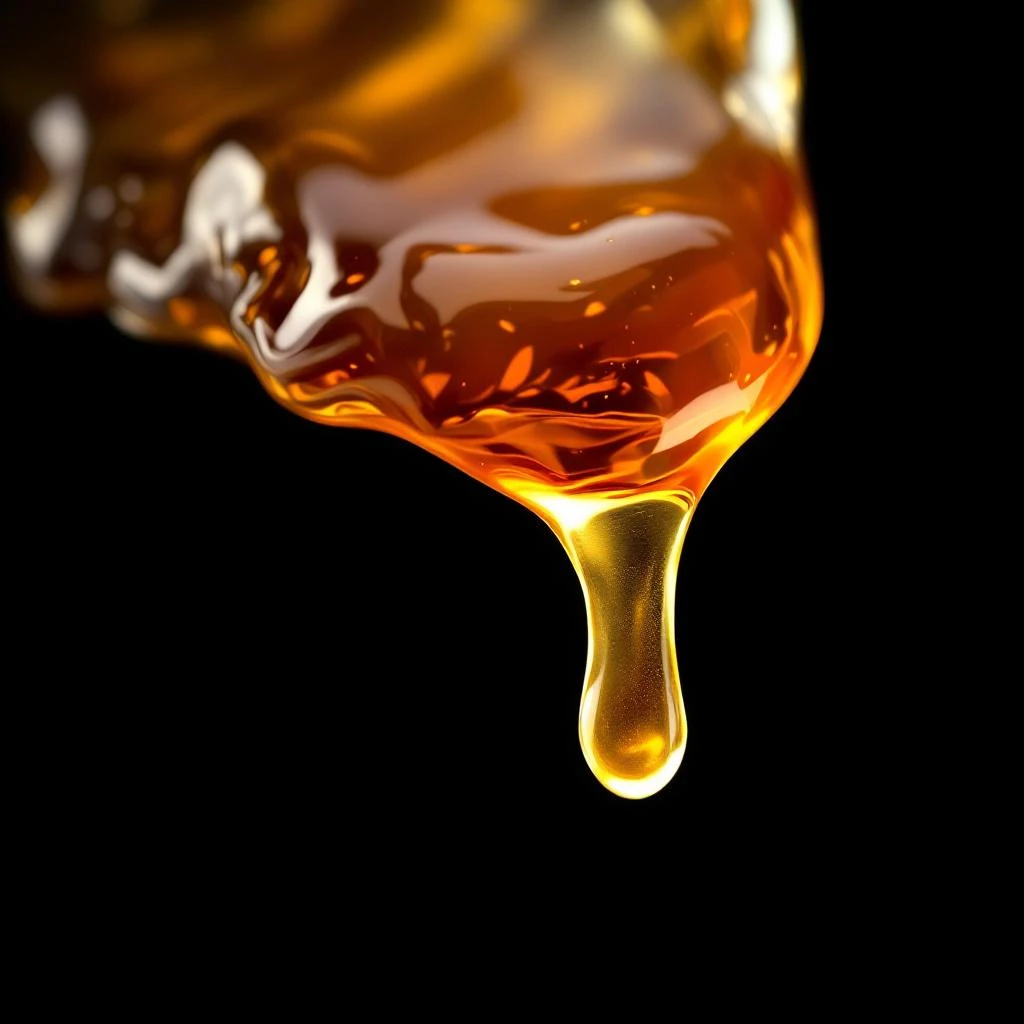
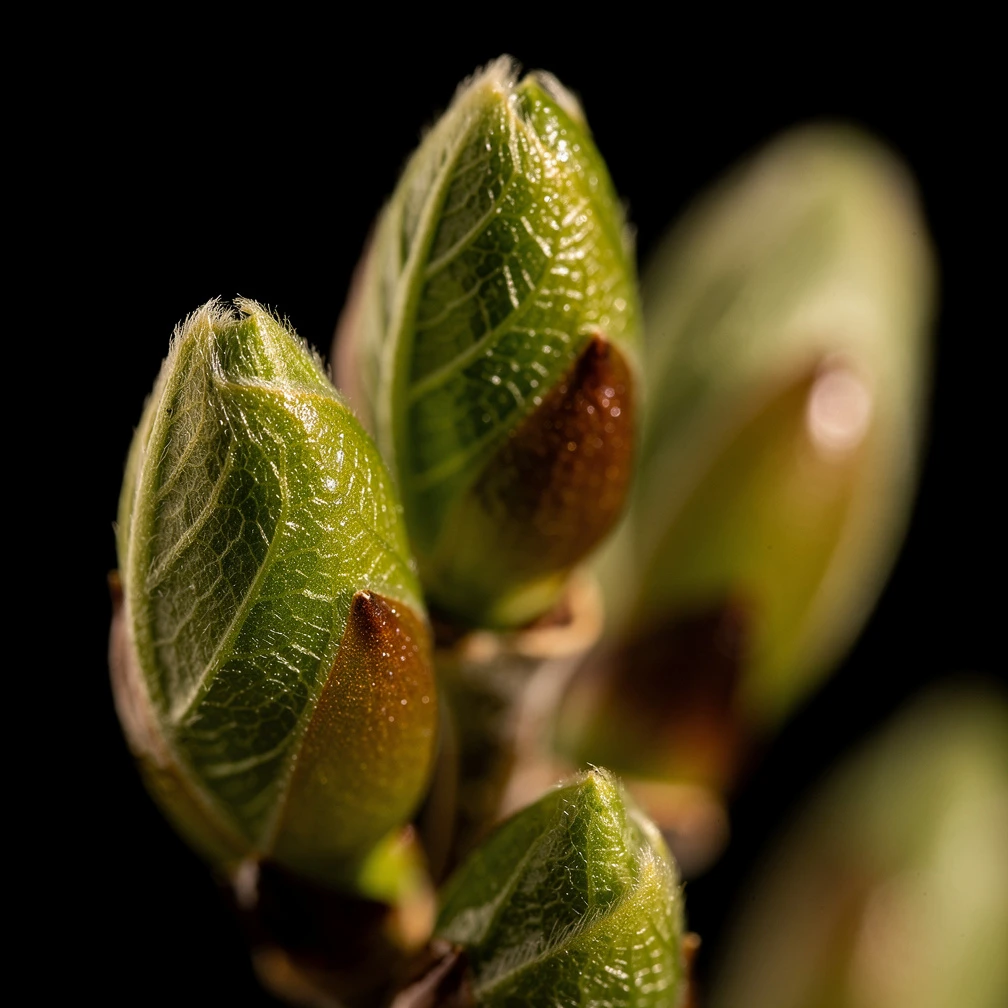
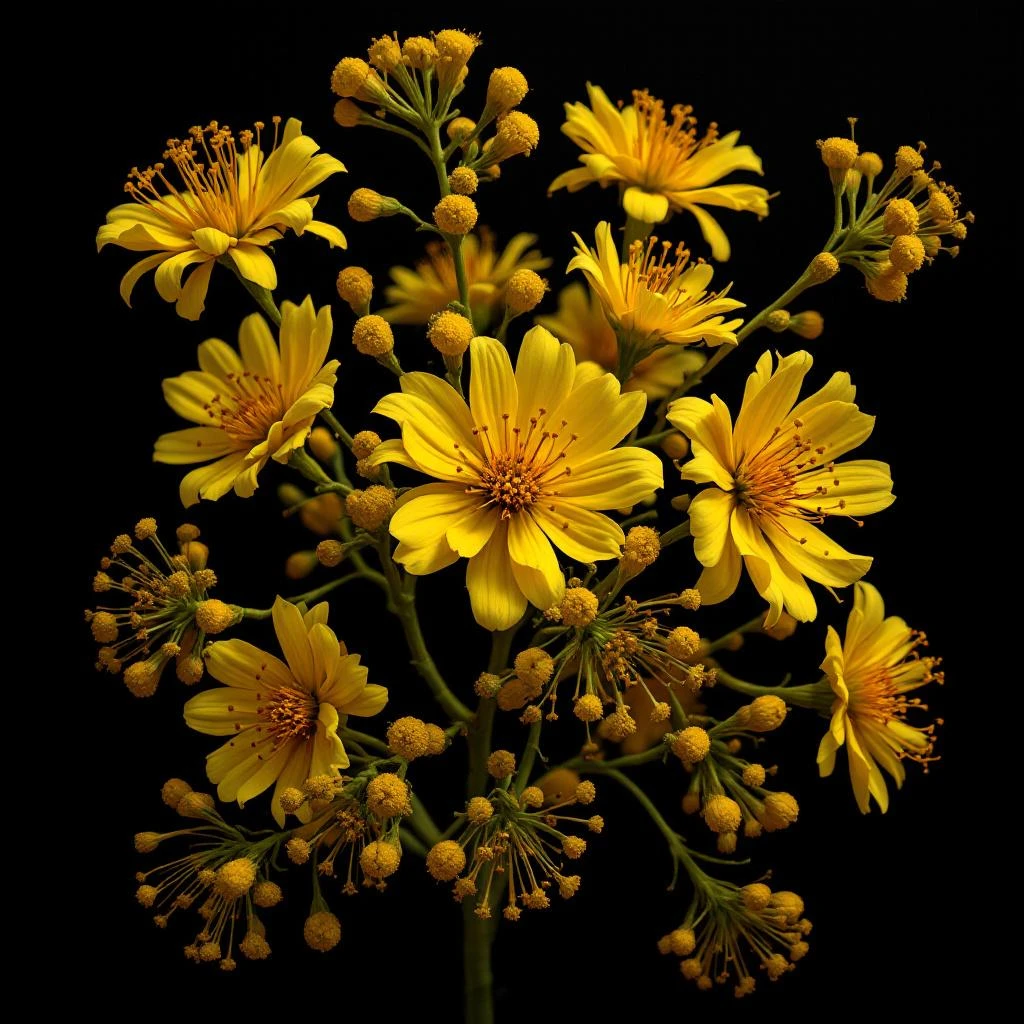
Bright, herbaceous hops lend a crisp, green bitterness to fragrance, echoing fresh-cut grass and pine resin while adding a subtle, resinous depth that grounds the composition.

Character
How it smells
Green zest meets resinous depth.
Hops appear in a 1567 German herbal manuscript as a fragrant oil, predating their celebrated role in brewing by more than a century.




Origin
Germany
Ancient Mesopotamian texts record the use of hop extracts in scented balms, suggesting early appreciation of its aromatic profile. By the Middle Ages, European herbalists listed hops among medicinal aromatics, noting its bitter scent and preservative qualities. The 19th century saw hop oil enter French perfumery, where it was blended with citrus and woody notes to create bright, masculine accords.
In the early 1900s, synthetic analogues of hop's key compounds, such as myrcene, allowed broader use in mass‑market fragrances. Today, niche houses revive hop as a signature green note, echoing its historic role as a bridge between botanical freshness and resinous warmth.
Wears it best
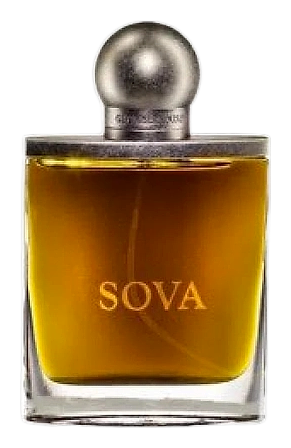
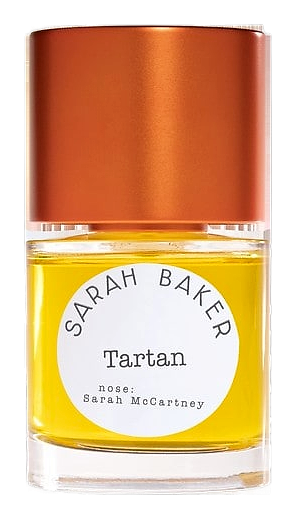
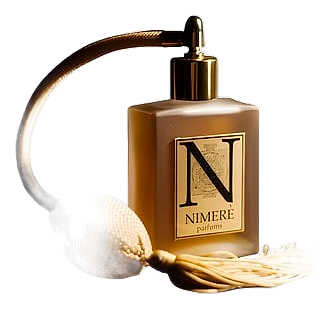
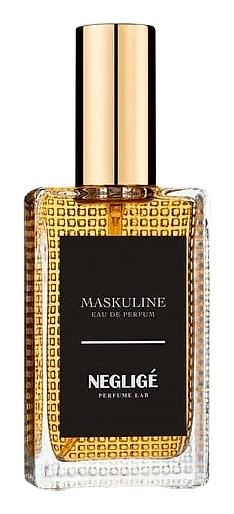
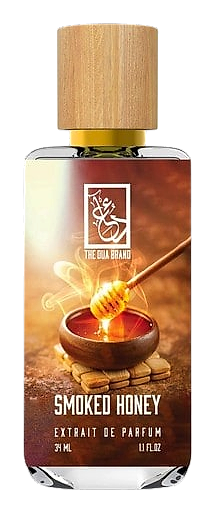
Fragrances featuring Hops

Brands
Brands known for Hops
Good to know
Questions, answered
The essentials on Hops in perfumery: how it smells, where it comes from, and how it behaves on skin.
What scent does hop oil add to a perfume?
Hop oil contributes a sharp, green herbaceous aroma with hints of pine resin. The note is anchored by myrcene, which accounts for roughly 30% of the oil’s composition.
Is hop essential oil safe for skin application?
Hop oil is safe for topical use when diluted to 1‑2% in a carrier. A 2018 dermatology study reported no irritation in 95% of test subjects at a 1% concentration.
How long does the hop note last on the skin?
The hop note typically persists for 2 to 3 hours before fading. Its volatility is driven by a high proportion of monoterpenes, which evaporate faster than heavier base notes.
Can hop aroma be reproduced synthetically?
Yes, synthetic myrcene and humulene replicate hop’s core scent. In 2020, a major fragrance house launched a lab‑crafted hop accord using 98% synthetic components.
Which fragrance families most often feature hops?
Hops appear most frequently in aromatic‑green and fougère families. A 2022 market analysis showed hops in 12% of new fougère releases that year.
What are the primary aroma compounds in hop oil?
Myrcene, humulene, and caryophyllene dominate hop oil, together making up over 70% of its volatile profile. Myrcene alone contributes roughly 30% of the total composition.
Is hop oil environmentally sustainable?
Hop cultivation uses low‑input farming methods in many regions, and steam distillation recovers most of the oil without solvents. The Hallertau region reports a 15% reduction in water use per kilogram of dried hops since 2015.
How is hop oil stored to preserve its quality?
Store hop oil in amber glass at 15 °C, away from light and heat. Exposure to UV light for more than 48 hours can degrade myrcene by up to 20%, according to a 2019 stability study.