Character
The Story of Honeydew melon
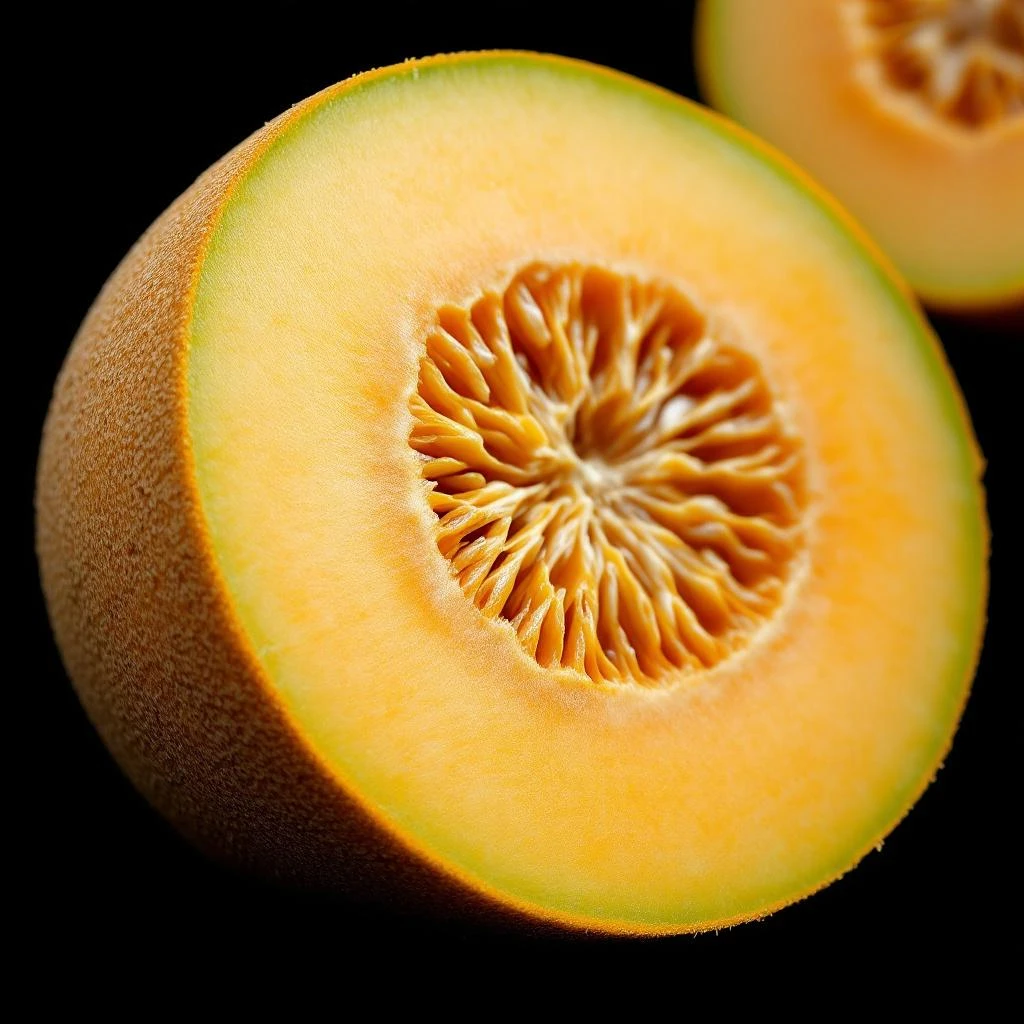
Honeydew melon brings a cool, translucent sweetness to fragrance compositions. As a top note, it delivers that unmistakable green-vivid aroma — part garden-fresh, part sun-warmed fruit — that instantly signals openness and abundance. Perfumers adopted it throughout the 1990s to convey aquatic freshness. Today it remains a staple in fruity and summer-themed perfumes.
Heritage
The thickly-skinned melon carrying honeydew genetics traces its lineage to Cucumis melo L., a botanical member of the Cucurbitaceae family. The precise origins of Cucumis melo remain contested, but scholarly consensus points to either the Middle East or India and African desert regions as primary centers of diversity. Archaeological evidence confirms Egyptians were cultivating melons by 500 B.C., and the fruit appears in ancient Greek medical texts attributed to Hippocrates around 400 B.C., where healers documented its diuretic and cooling properties. Ancient Cypriot perfumeries operating in 2000 B.C. and Indus Valley craftsmen in 3000 B.C. hint at early experimentation with fruit-based aromatic preparations, though melon essence specifically entered perfumery only in recent decades. The Arab chemist Al-Kindi codified early distillation knowledge in the 9th century, laying groundwork that eventually enabled fruit-note extraction. The true revolution came with Calone, the synthetic methylbenzodioxepinone developed and patented in the late 1980s, which brought melon notes into mainstream fragrance composition and defined theFRESH, fruity, and aquatic fragrance families that dominated the 1990s market.
At a Glance
2
Feature this note
Middle East
Primary source region
Ingredient Details
Synthetic
Fruit flesh (natural extract); synthetic compound (Calone)
Did You Know
"Calone, the synthetic compound that powers the melon note in perfumery, was patented in the late 1980s and reshaped aquatic fragrance design from the 1990s onward."
Pyramid Presence