Character
The Story of Himalayan peony
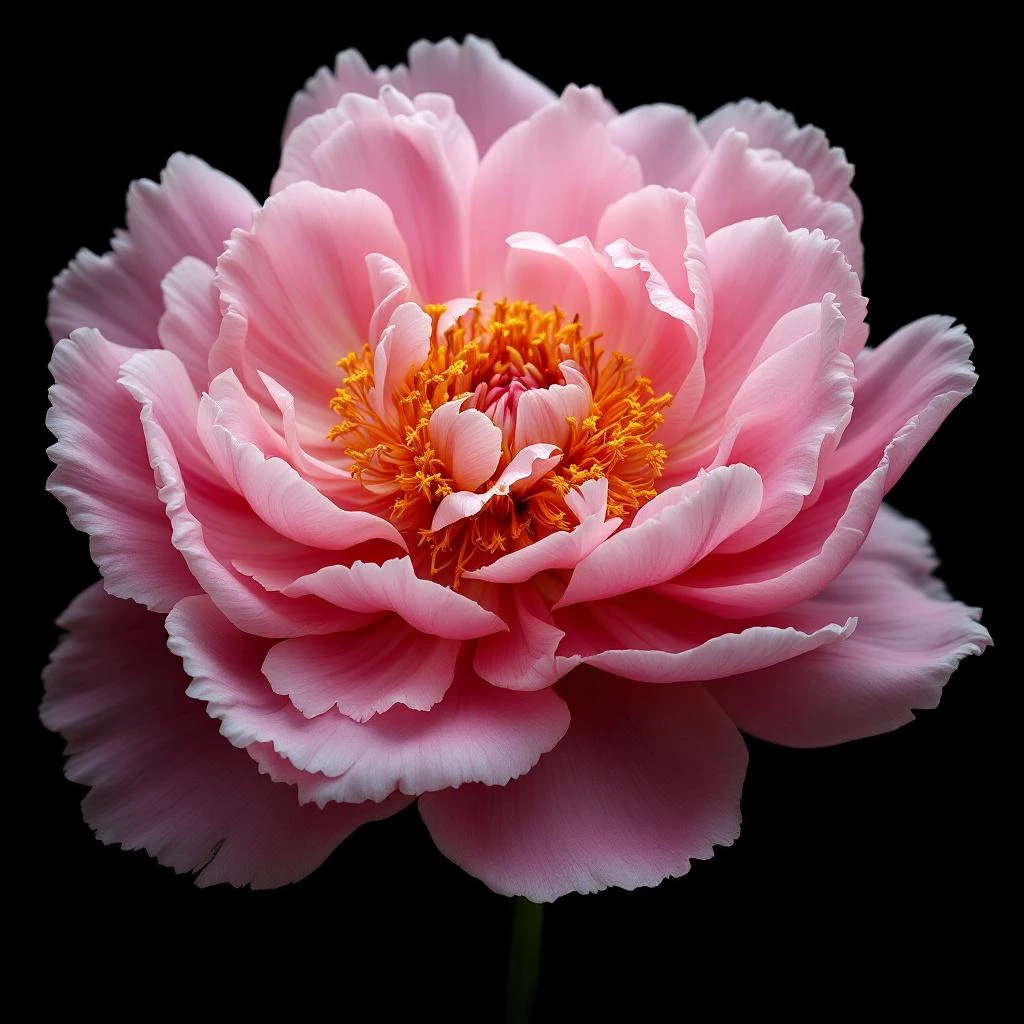
Himalayan peony delivers a crisp, fresh rose‑green scent that whispers of alpine meadows. Its subtle elegance bridges floral purity with a touch of verdant vigor, making it a prized note for modern compositions.
Heritage
Peony cultivation began in China’s Luoyang region over 1,600 years ago, where monks tended the blossoms for both beauty and medicine. Traditional Chinese Medicine recorded Paeonia lactiflora root as a remedy for night sweats and abdominal pain, a use that persists today. By the late 19th century, explorers introduced peony cuttings to Europe, where the flower earned the nickname "the mute blossom" because its scent resisted extraction. The first synthetic peony accord emerged in the 1970s, allowing Western perfumers to incorporate its fresh, green rose character into fragrances. Since then, Himalayan peony has inspired niche houses seeking an alpine twist on classic floral compositions, while its cultural roots remain celebrated in annual festivals across Henan province.
At a Glance
1
Feature this note
China
Primary source region
Ingredient Details
Synthetic reconstruction
Flower petals
Did You Know
"Peony petals cannot yield essential oil by steam; instead, perfumers reconstruct the scent, and the first synthetic peony accord appeared in the 1970s, opening a new chapter for this mute flower."