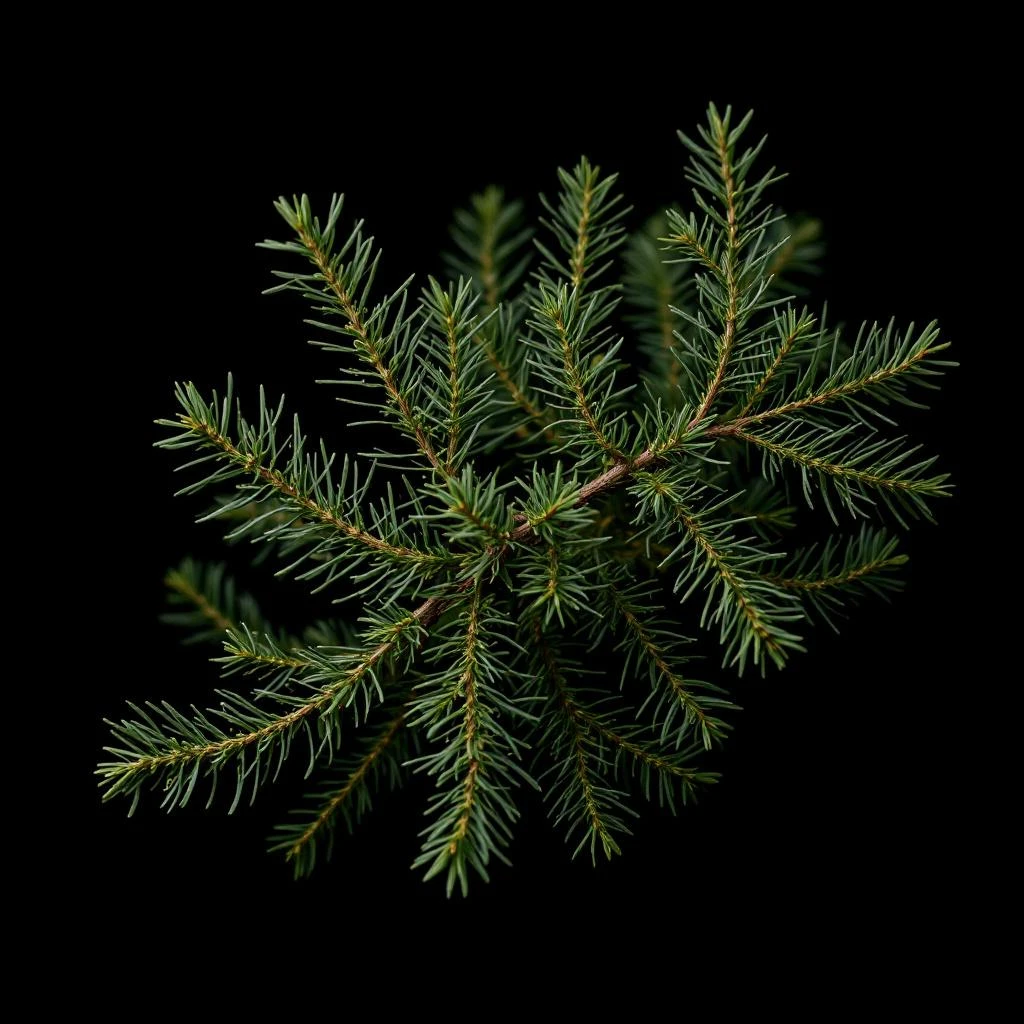

Character
The Story of Himalayan juniper
High‑altitude juniper berries from the Himalayas deliver a sharp pine clarity and a subtle resinous depth, making them a prized note for modern fragrance creators seeking authentic mountain character.
Heritage
For centuries, Himalayan communities burned juniper branches in ritual fires, believing the smoke purified both spirit and space. Early trade routes carried the aromatic wood to Tibetan monasteries, where it flavored incense and medicinal tinctures. In the early 20th century, French perfumers documented the berry's crisp profile during expeditions to the Karakoram, noting its potential beyond traditional uses. By the 1970s, the oil entered Western perfume labs, where it helped balance heavy oriental bases with a clean, alpine lift. Today, the ingredient honors its ancient role as a bridge between sacred practice and contemporary scent design, echoing the mountain’s enduring influence on human scent culture.
At a Glance
1
Feature this note
India
Primary source region
Ingredient Details
Steam distillation
Berries (seed cones)
Did You Know
"Himalayan juniper berries grow above 3,500 m, where UV exposure is twice that at sea level, prompting the plant to produce extra protective terpenes that give the oil its distinctive crispness."